National Dish Nepal: Kheer (Recipe)
In this article
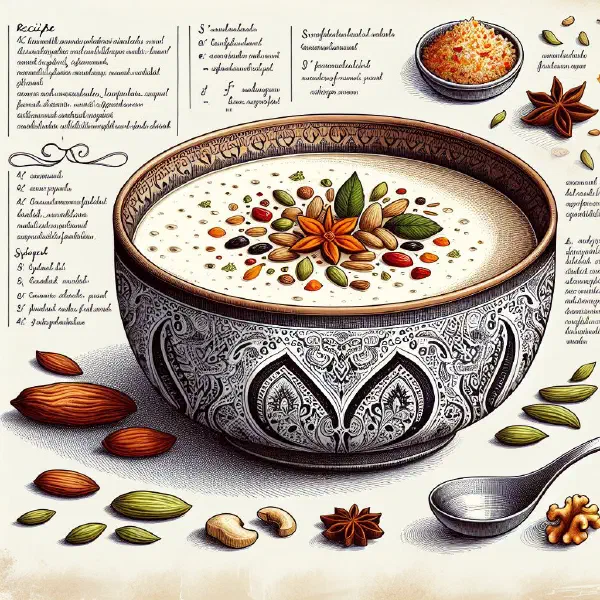
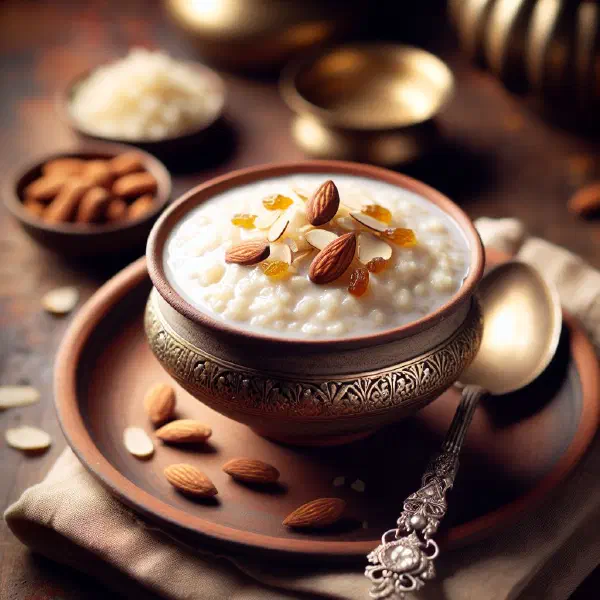
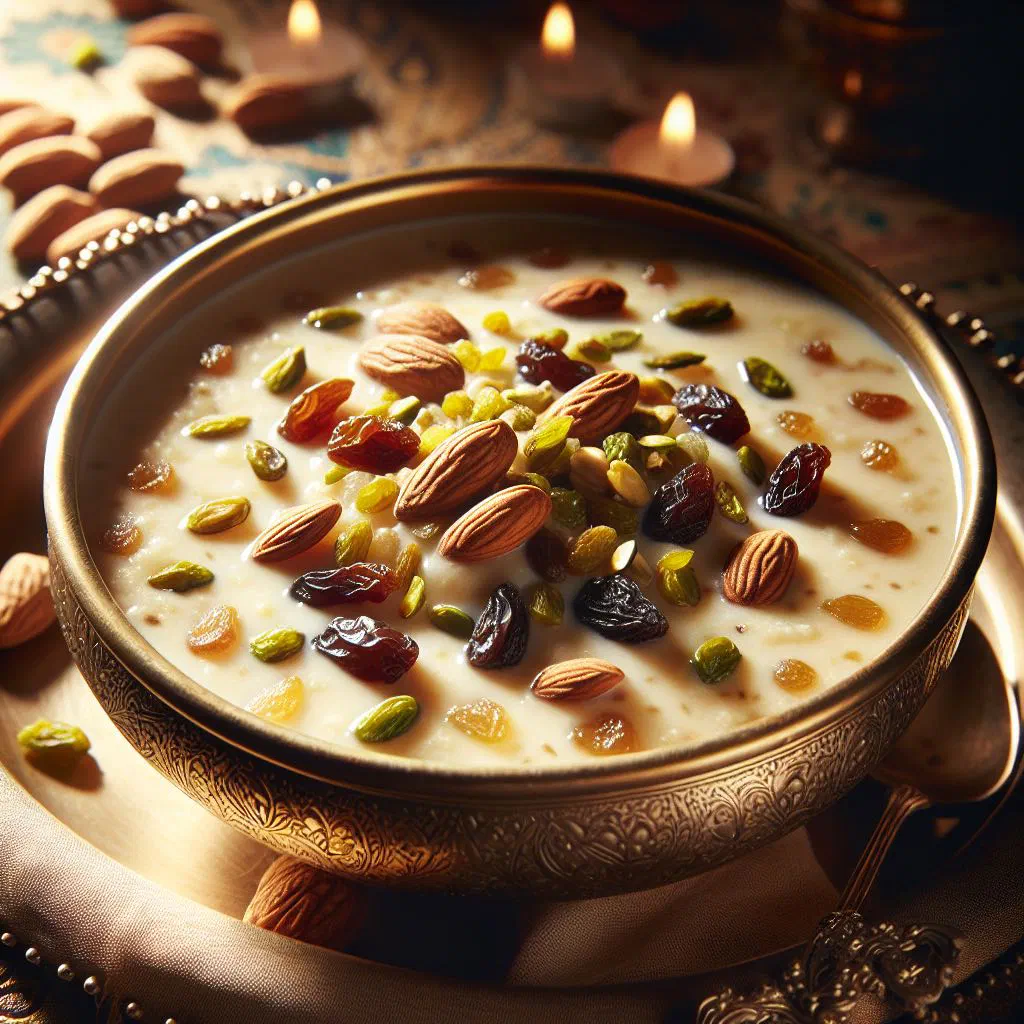
Say hello to Kheer, the fragrant rice pudding that graces festive tables across Nepal and much of the subcontinent. Slow-simmered milk, tender basmati rice and a whisper of cardamom come together in a spoonful of pure comfort, crowned with chopped nuts and plump raisins. Sweet, creamy and endlessly welcoming, it is the kind of pudding that turns any gathering into a celebration, and it is far simpler to make at home than you might think.
About Kheer
Kheer is a wonderfully comforting dessert enjoyed in both Nepal and India, made from milk, rice, sugar and a handful of warming spices. It has a rich, creamy consistency and is often finished with nuts and dried fruit, which add both texture and extra flavour. Traditionally, kheer is served at festive occasions, religious celebrations or simply as a sweet reward at the end of a meal. The generous choice of ingredients means anyone can add their own personal touch and make the pudding entirely their own.
Ingredients (serves 1–2)
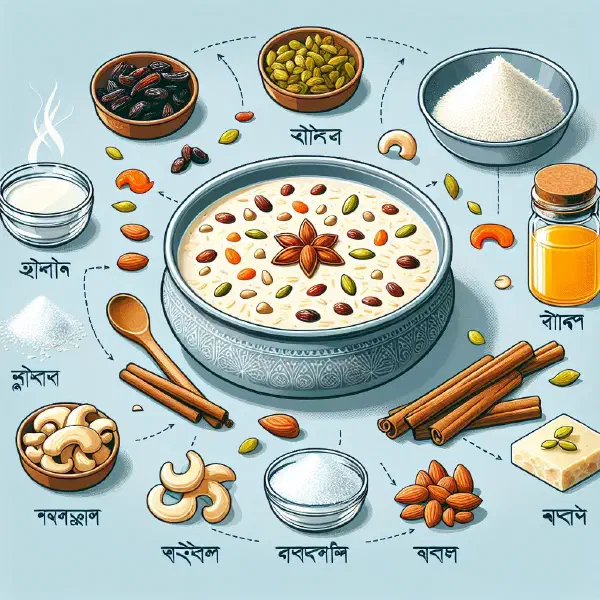
- 1/4 cup basmati rice
- 1 cup milk (or a plant-based alternative)
- 3 tablespoons sugar (or honey)
- 1/4 teaspoon cardamom or cinnamon
- 2 tablespoons chopped nuts (such as almonds or cashews)
- 1 tablespoon raisins (optional)
- A pinch of salt
Shopping for the ingredients
When shopping for kheer, there are a few things worth keeping in mind. Most of the ingredients are easy to find in a regular supermarket or at an Asian grocery. Choose good-quality milk or a plant-based alternative, as the base has a real influence on the flavour of the finished pudding. The spices deserve care too: fresh cardamom and cinnamon shape the aroma of the kheer more than anything else, so pick them thoughtfully.
Preparing the dish
Start by rinsing the rice thoroughly to wash away excess starch, which gives the pudding a smoother, silkier consistency. If you plan to use raisins, soak them in warm water beforehand to plump them up and improve their texture. Have the remaining ingredients measured out and ready so the cooking process runs along without any fuss.
Step-by-step instructions
- Bring the rice to the boil in a pan with 1/2 cup of water.
- Reduce the heat, cover, and simmer gently for 10–15 minutes until the rice is soft.
- In a separate pan, warm the milk without letting it come to the boil.
- Add the cooked rice to the hot milk and stir well.
- Add the sugar and spices, then simmer for a further 5–10 minutes.
- Stir through the chopped nuts and raisins (if using).
- Let the kheer cool a little before serving.
Gluten-free / lactose-free version
The good news is that kheer is naturally gluten-free, since rice is its main ingredient. For a lactose-free version, simply swap in lactose-free milk or a plant-based alternative such as almond or coconut milk. These options make the pudding suitable for anyone with a lactose intolerance and lend it a lovely new character. Just double-check the remaining ingredients for any hidden sources of lactose.
Tips for vegans and vegetarians
Vegans can enjoy kheer just as easily by replacing the cow’s milk with a plant-based alternative. Coconut milk is a particularly good choice here, giving the pudding an especially rich, indulgent flavour. Reach for a plant-based sweetener to keep the dessert fully vegan, and rest assured that the rest of the ingredients, rice and nuts, are naturally plant-based and perfectly suited to the diet.
More tips and tricks
To achieve the perfect kheer, a few small details are worth attention. Use fresh ingredients, especially the spices and nuts, to draw out the very best flavour. Cooking in a double boiler or a slow cooker helps the pudding cook gently and prevents it catching on the bottom of the pan. You can also adjust the sweetness to suit your own taste, dialling it up or down until it is exactly right for you.
Adapting the recipe to your taste
Everyone can tailor kheer to their own preferences. Experiment with different sweeteners such as agave syrup, or fold in fruit like mango or banana for a fruity twist. The toppings are just as flexible. Try other nuts or a scattering of chocolate for your own signature flourish. It is a brilliant way to reinvent the recipe again and again and bring a little variety to every batch.
Ingredient substitutions
If certain ingredients are not to hand, there are usually good alternatives that work beautifully. In place of rice, you could use quinoa for a protein-rich version, much as you might swap grains in a bowl of Lito Porridge. For sweetness, natural fruit sugars or stevia both do the job well. Instead of chopped nuts, try seeds such as pumpkin seeds, which taste delicious and add an extra nutritional boost.
Drink pairing ideas
Kheer pairs wonderfully with a range of drinks. Traditionally it is served with a warm tea such as Nepalese Masala Tea, which complements the pudding’s gentle spices. Alternatively, offer a fruity lassi to balance the sweetness of the kheer. Fresh juices, such as mango or pineapple, also make an excellent match and round off the indulgence beautifully.
Serving and presentation ideas
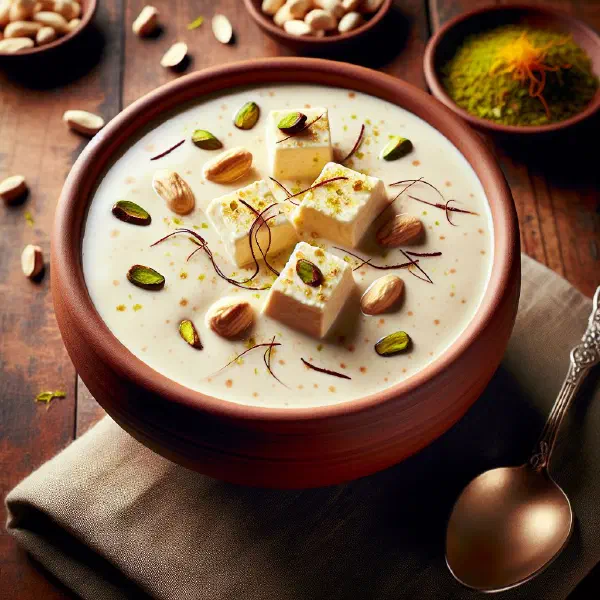
Presentation plays a big part in serving kheer. Spoon it into small bowls and decorate with extra nuts or raisins. For a festive touch, scatter over edible flowers or a pinch of cinnamon. A good tip is to chill the kheer well and serve it in pretty dessert glasses for an elegant finish.
A bit of history
Kheer has a long history and is much loved throughout the cooking of the subcontinent. The dish has its roots in Indian cuisine and became firmly established in Nepal, where it is celebrated as a national dish. It is often prepared for festivals, weddings and special occasions, which underlines its cultural significance. Kheer is not merely a dessert but also a symbol of prosperity and joy, a sweet cornerstone of Nepalese cuisine.
More recipe ideas
Summary: Kheer
Kheer is a simple, delicious dessert loved in Nepal and India alike. Its versatile ingredients and endless scope for adaptation make it an ideal treat for anyone with a sweet tooth. Kheer always delivers a taste experience that warms the heart. Give it a try and discover the many facets of this celebrated pudding for yourself.