National Dish Nepal: Kwati (Recipe)
In this article
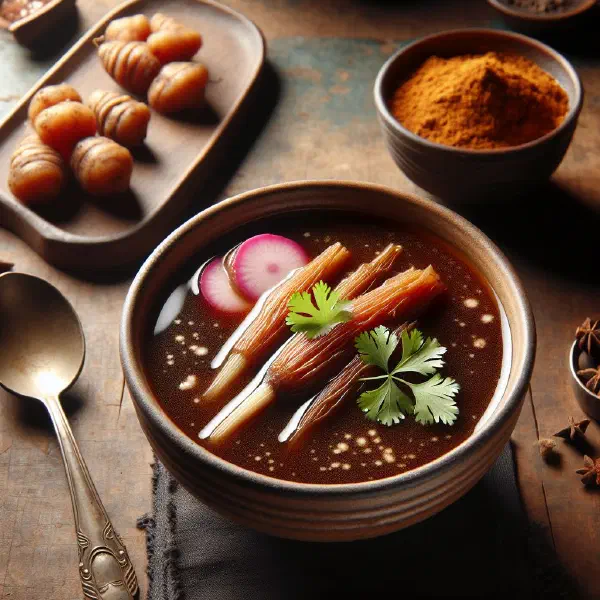
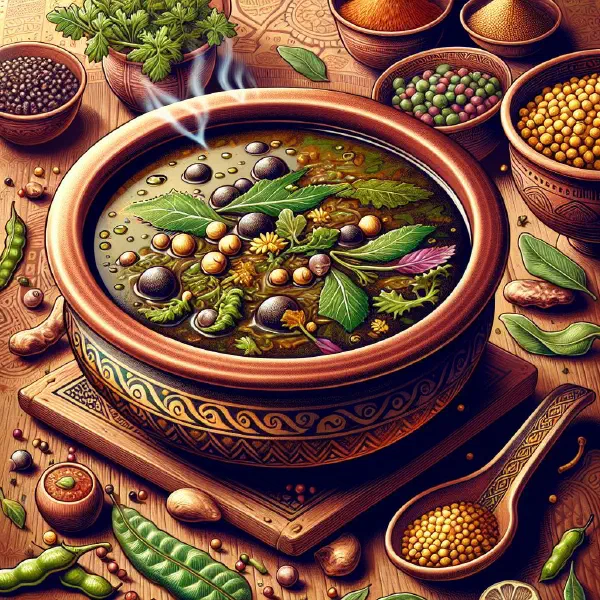
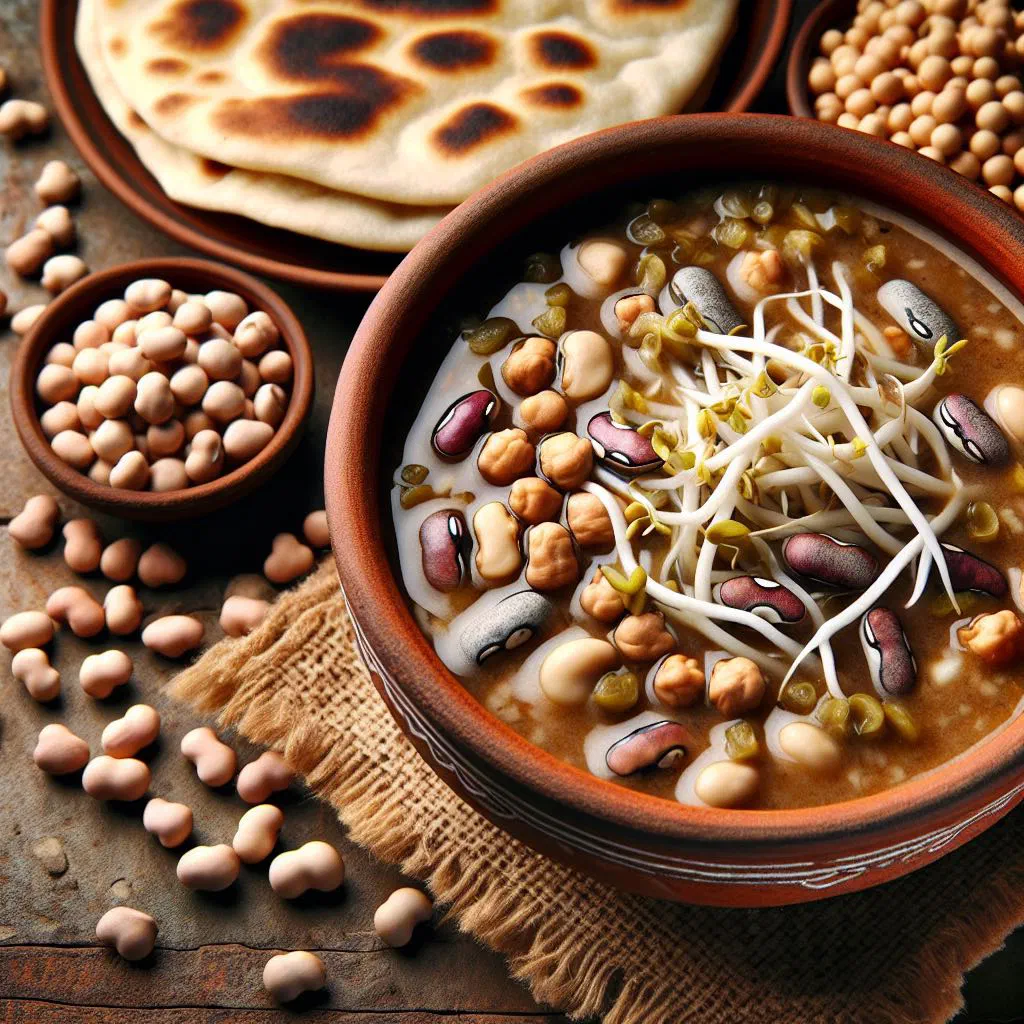
Discover Kwati, a hearty mixed-bean soup that captures the spirit of Nepalese cooking. Rich in protein and warming spices, this traditional dish is treasured during festivals as a symbol of the country’s cultural variety. With its medley of beans simmered in fragrant herbs and spices, kwati brings a nourishing, deeply satisfying taste of Nepal straight to your own kitchen.
About Kwati
Kwati is far more than a simple soup. It is a genuine celebration of flavour and nutrition. This traditional dish from Nepal is made from a mixture of beans, all wonderfully rich in protein, and it holds a firm place in the country’s cuisine. Kwati is especially prized during festival days, when it symbolises the cultural diversity and abundance of the land. With its blend of spices and herbs, kwati delivers a unique taste experience that appeals to every palate.
Ingredients (serves 1–2)
- 1 cup mixed beans (e.g. kidney beans, black beans, chickpeas)
- 1 onion, diced
- 2–3 garlic cloves, chopped
- 1 teaspoon ginger, grated
- 1–2 green chillies, to taste
- 1 teaspoon cumin
- 1 teaspoon turmeric
- 1 teaspoon garam masala
- Salt and pepper to taste
- Fresh coriander, to garnish
- Water or vegetable stock, as needed
Shopping for the ingredients
The choice of beans is what makes this soup sing. Fresh or dried beans are key to the full, rounded flavour of kwati. Many Asian or Indian grocery shops stock a wide selection of beans, so it is worth seeking them out. Where you can, choose organic ingredients to get the best nutritional value and to bring out the deepest aromas in the finished dish.
Preparing the dish
Before you cook kwati, the beans should be soaked for at least 8 hours to soften them. This is an important step to make sure the beans cook evenly and hold on to their nutrients. If you are working with dried beans, they may also need a little pre-cooking. Prepare the vegetables too, finely chopping the onion, garlic and ginger so the flavours come through at their best.
Step-by-step instructions
- Tip the soaked beans into a large pan and bring to the boil with water or vegetable stock.
- Reduce the heat and simmer the beans for around 30–40 minutes until soft.
- In a separate pan, heat a little oil and fry the onion, garlic and ginger until golden brown.
- Add the chillies and the spices (cumin, turmeric, garam masala) and fry everything for a further 2–3 minutes.
- Stir the fried spice mixture into the cooked beans and combine well.
- Season with salt and pepper to taste and let it simmer for a few minutes.
- Garnish with fresh coriander before serving.
Gluten-free / lactose-free version
Kwati is naturally a dish that can be made both gluten-free and lactose-free. When choosing your stock, check that it contains no additives that include gluten. Using fresh, natural ingredients ensures the dish is suitable for anyone who needs to avoid gluten or lactose.
Tips for vegans and vegetarians
Kwati is a superb dish for vegans and vegetarians, as it is entirely plant-based. It offers an excellent source of protein through its various beans and can easily be adjusted to suit personal preferences. Add extra vegetables such as spinach or carrots to boost the nutritional content. A bowl of kwati is nourishing and filling, making it ideal for a balanced diet, much like the wholesome Aaloo Kerau Tarkari.
More tips and tricks
To intensify the flavours of kwati, try lightly toasting the spices before you add them. This can deepen the taste considerably and create an even heartier aroma. If you prefer a creamier texture, purée a portion of the beans and stir them back into the soup. Experiment with different herbs and spices to add your own personal touch.
Adapting the recipe to your taste
Kwati is remarkably adaptable and easy to modify for different tastes and preferences. If you like things hotter, add more chillies or use a spicy paprika. For a milder version, hold back on the spices and let the natural flavour of the beans shine through instead. You can also try different varieties of beans to discover new textures and aromas, a spirit of variation shared with dishes like Aloo Tama Bodi.
Ingredient substitutions
If you do not have particular beans to hand, you can swap them for others with similar qualities. White beans, green lentils or even black lentils make an excellent addition. Vegan cheese can serve as a mild, flavourful extra if you would like a creamier variation of kwati. Vary the ingredients according to season and availability so you always prepare fresh and tasty dishes.
Drink pairing ideas
A warm, hearty bowl of kwati is best paired with a refreshing drink that complements its flavour. A simple glass of water with a slice of lime or lemon can lift the aromas of the soup beautifully. Alternatively, a lightly sparkling fruit drink is a good choice. For a special touch, prepare a yoghurt drink to balance the warmth of the spices, or serve it alongside a cup of Nepalese Masala Tea.
Serving and presentation ideas
The presentation of kwati can lift the whole dining experience. Use deeper bowls to hold the soup and garnish it with fresh herbs such as coriander or mint for a bright splash of colour. Serve the soup with homemade naan or rice to create a complete meal. Think too about an attractive table setting to underline the cultural side of Nepalese cooking.
A bit of history
Kwati has a deeply rooted history in Nepalese cuisine and is often linked to cultural festivals. The dish represents the diversity and community of Nepal, since it is made from various types of beans that symbolically stand for the country’s many ethnic groups. Originally intended as a nourishing meal for travellers, kwati has grown into a much-loved dish passed down from generation to generation. Today it is served in Nepal and in many Nepalese restaurants around the world, a proud emblem of Nepalese cuisine.
More recipe ideas
Summary: Kwati
Kwati is a fascinating example of Nepalese cuisine, one that impresses with its flavour and with the cultural meaning it carries. With its mix of different beans and spices, kwati offers a nourishing and hearty soup that gladdens both heart and palate. Whether as a festive dish or as part of a balanced diet, kwati is a delicious choice that brings a touch of Nepal to any table. Try it for yourself and let its unique aromas win you over.