National Dish Nepal: Macha Ko Tarkari (Recipe)
In this article
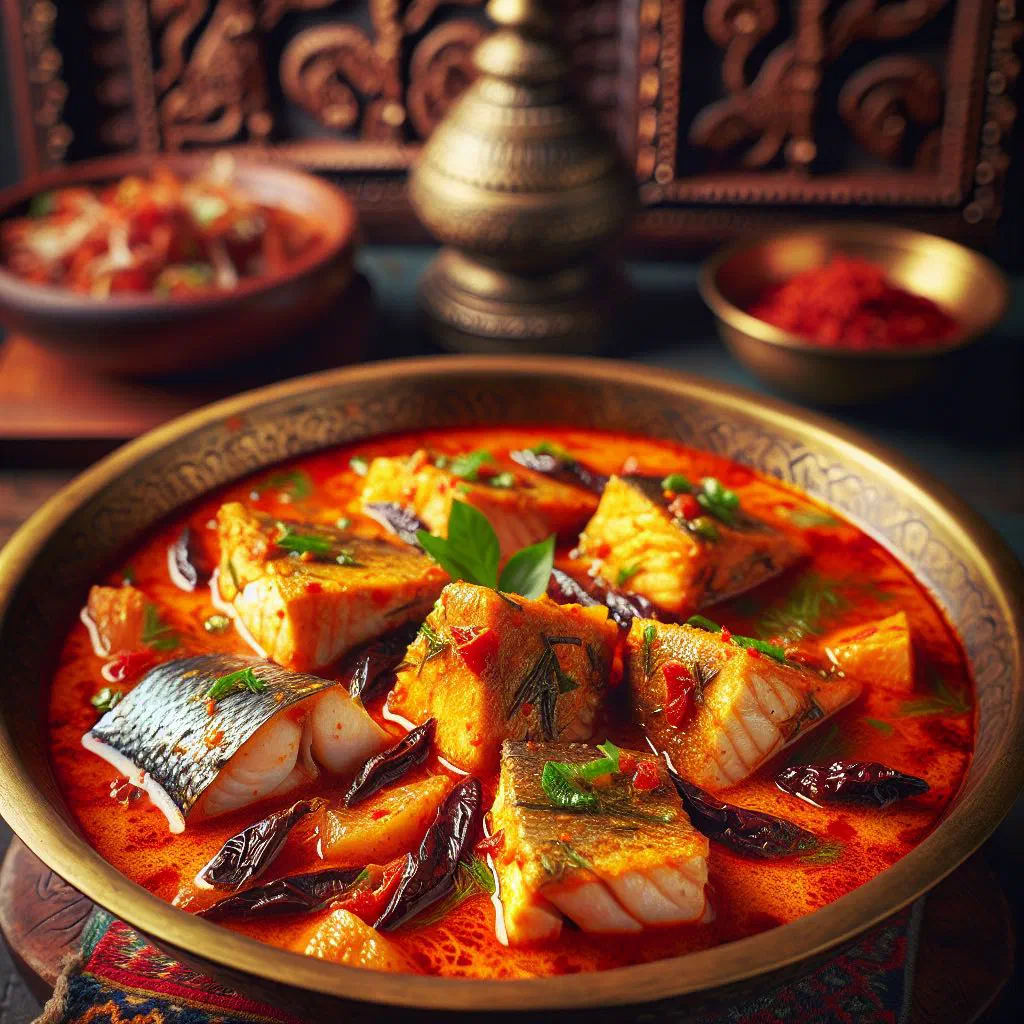
Discover Macha Ko Tarkari, a fragrant fish curry that captures the spirit of Nepalese home cooking. Fresh fish is simmered in a golden, spice-laced sauce until it turns tender and full of flavour. With warm notes of cumin, coriander and turmeric rounded out by creamy coconut milk, it is a comforting bowl that feels both rustic and refined. Bring the aromas of the Himalayan foothills straight to your own table.
About Macha Ko Tarkari
Macha Ko Tarkari is more than a traditional Nepalese dish. It is a culinary experience that reflects the variety of Nepal’s kitchen. This delicious fish curry brings together fresh ingredients and aromatic spices that combine into a beautifully balanced flavour profile. The fresh preparation and the use of local produce make it a must for any food lover. More than that, it carries the cultural traditions of Nepal in every spoonful.
Ingredients (serves 1–2)
- 300 g fresh fish (such as trout or tilapia)
- 2 tablespoons oil (rapeseed or mustard oil)
- 1 onion, finely chopped
- 2–3 cloves of garlic, chopped
- 1 piece of ginger (about 2 cm), grated
- 1 teaspoon cumin
- 1 teaspoon ground coriander
- 1 teaspoon turmeric
- 1–2 green chillies, to taste
- 400 ml coconut milk
- Salt and pepper, to taste
- Fresh coriander, to garnish
Shopping for the ingredients
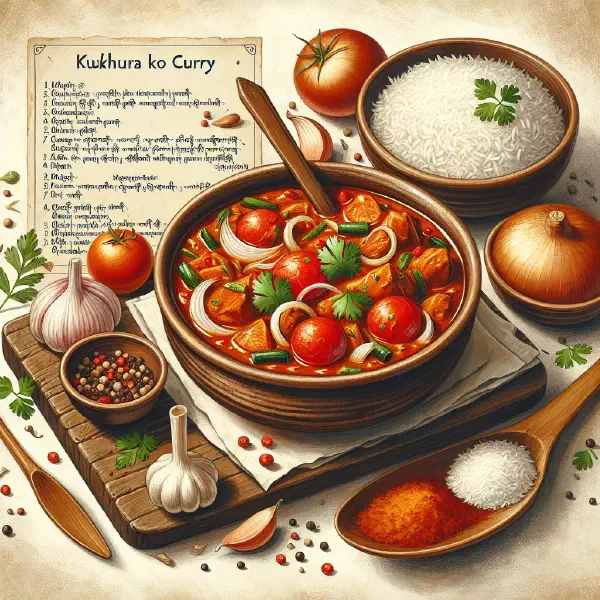
When shopping for the ingredients for Macha Ko Tarkari, it pays to focus on quality to get the best possible flavour. Visit a local market or an online shop to find fresh fish and regional vegetables. Choose fresh spices wherever you can, as they intensify the aroma of the finished dish. Selecting your ingredients with care is the surest way to bring an authentic taste of Nepal into your kitchen, much as you would for a hearty Kukhura Ko Curry.
Preparing the dish
Preparing Macha Ko Tarkari is straightforward and takes only a few steps. Begin by cleaning the fish and cutting it into pieces. While you work, get the vegetables ready, the onion, garlic and ginger. It is important to prep everything well so that the cooking itself runs smoothly. This saves time and ensures the flavours come through at their best.
Step-by-step instructions
- Heat the oil in a large pan and sauté the onion until translucent.
- Add the garlic, ginger and green chillies and fry briefly until fragrant.
- Stir in the cumin, ground coriander and turmeric, mixing everything well.
- Add the fish pieces and turn them gently to coat them in the spices.
- Pour in the coconut milk, bring to the boil, then reduce the heat and simmer for 10–15 minutes.
- Season with salt and pepper and garnish with fresh coriander before serving.
Gluten-free / lactose-free version
Macha Ko Tarkari is naturally gluten-free and lactose-free, which makes it an excellent choice for anyone with those intolerances. Using coconut milk in place of cream makes it suitable for people who prefer to avoid dairy altogether. All of the spices and the fish itself are free from gluten too. That way you can enjoy the dish without a moment’s worry about an allergic reaction.
Tips for vegans and vegetarians
Macha Ko Tarkari is easy to adapt for vegans and vegetarians using alternative ingredients. Instead of fish you can use tofu or vegetables such as aubergine or pumpkin to create a tasty curry. The spice blend stays the same, so the characteristic flavours of Nepalese cooking are preserved. This makes the dish a delicious option for a plant-based diet as well, in the same spirit as a comforting Mushroom Curry.
More tips and tricks
To get the most out of your Macha Ko Tarkari, keep a few tips and tricks in mind. Experiment with different kinds of fish to bring variety to the dish. Remember to taste the curry as it cooks and adjust the seasoning if needed. That is how you reach the perfect balance. Serve it with rice or flatbread to let the aromas shine.
Adapting the recipe to your taste
Macha Ko Tarkari is easy to tailor to your personal preferences. If you like a bit more heat, increase the number of green chillies or add a pinch of chilli powder. For a creamier curry, simply add more coconut milk. This flexibility lets you shape the dish so it hits your own taste exactly.
Ingredient substitutions
If some ingredients for Macha Ko Tarkari are not to hand, there are plenty of efficient alternatives. Fresh fish can be swapped for tinned fish or even seitan for a meat-free version. Likewise, coconut milk can be replaced with almond drink for a different flavour note.
Drink pairing ideas
The right drinks can greatly enrich the experience of eating Macha Ko Tarkari. A lightly chilled Nepalese beer or a fresh mint tea make excellent companions to this curry. A fruity lassi or a glass of coconut water also offers a pleasant refreshment. Aim for drinks that complement the flavours of the dish rather than overpowering them.
Serving and presentation ideas
The presentation of Macha Ko Tarkari can be made especially appealing with a few simple touches. Serve the curry in a shallow bowl and garnish it generously with fresh coriander. Surprise your guests by arranging the dish alongside colourful vegetables on a large platter. A thoughtful presentation turns the meal into a special occasion and highlights the beauty of Nepalese cooking.
A bit of history
Macha Ko Tarkari has a long history in the Nepalese kitchen, shaped by the many cultural influences of the country. Fish is an essential source of protein in Nepal, especially in the mountain regions and along the rivers. The wide range of spices and cooking methods reflects the country’s rich tradition and heritage. By making this dish you take part in a tour that is delicious and historically and culturally meaningful, a fine example of Nepalese cuisine.
More recipe ideas
Summary: Macha Ko Tarkari
Macha Ko Tarkari is an outstanding example of the delicious and varied Nepalese kitchen. With its fresh ingredients and its wealth of aromas, it whisks you away into a world of culinary possibility. There are countless variations to suit every taste. Enjoy the making and the eating of this unique speciality from Nepal, and bring a piece of Nepalese culture into your own kitchen.