National Dish Nepal: Pakku (Recipe)
In this article
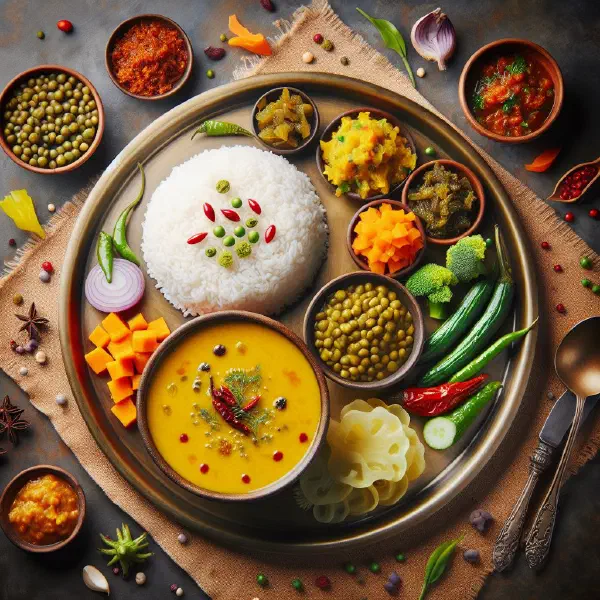
Meet Pakku, a comforting Nepalese dish that brings together tender rice, hearty lentils and a warming blend of spices. Rich in flavour yet wonderfully simple to make, it is the sort of nourishing food that appears at festive gatherings as readily as at a quiet family supper. With the earthy aromas of cumin and turmeric running through every mouthful, Pakku offers a genuine taste of Nepal that you can recreate in your own kitchen.
About Pakku
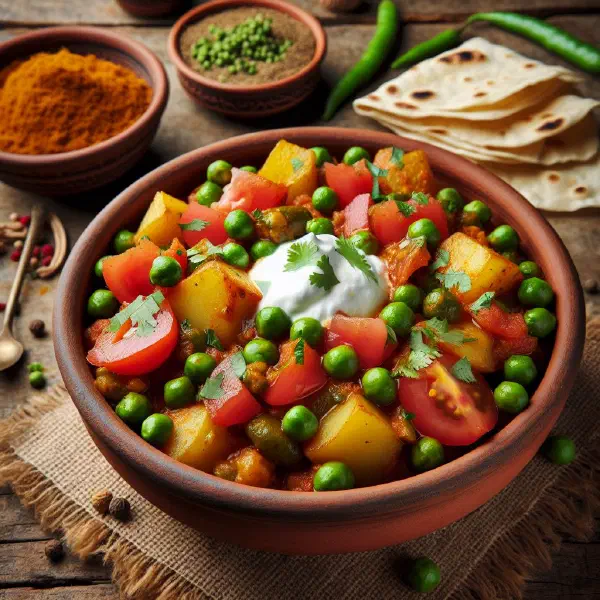
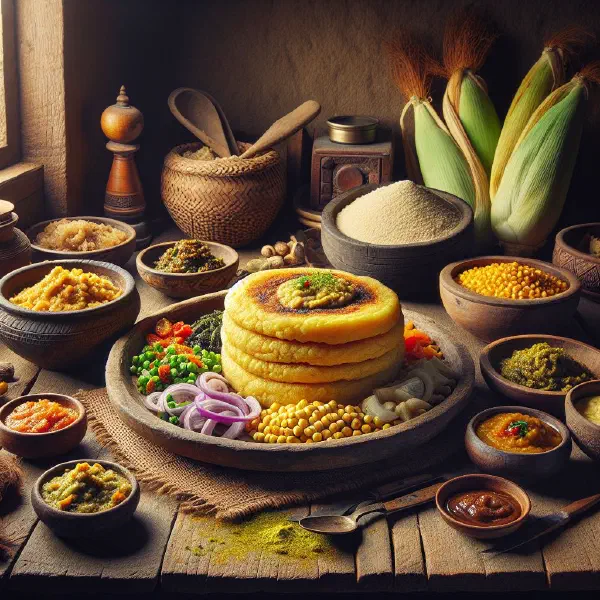
Pakku is a traditional Nepalese dish celebrated for its versatility and its deep, satisfying flavour. It is built around cooked rice and lentils, prepared together with a range of aromatic spices and fresh ingredients. This delicious speciality is often served at festive occasions and enjoys great popularity across Nepalese kitchens. The interplay of warm, earthy aromas makes it a memorable experience for the palate, and it sits comfortably among the country’s much-loved rice-and-lentil classics.
Ingredients (serves 1–2)
- 1 cup cooked rice
- ½ cup lentils (green or brown, for example)
- 2 tablespoons oil (sunflower or olive oil)
- 1 onion, diced
- 2 garlic cloves, chopped
- 1 teaspoon cumin
- 1 teaspoon turmeric
- Salt and pepper to taste
- Fresh coriander leaves, to garnish
Shopping for the ingredients
To make Pakku, the ingredients are easy to track down, as most of them are available in any well-stocked supermarket. Choose fresh produce wherever you can to draw out the very best of the flavours. Wash the lentils thoroughly before cooking to remove any grit or impurities. It is also worth visiting an Indian or Asian grocery for specialist spices such as cumin and turmeric, which give the dish its characteristic warmth. Many of these staples also feature in Nepal’s beloved Dal Bhat.
Preparing the dish
Preparing Pakku is straightforward and calls for only a few basic steps. Begin by cooking the lentils according to the packet instructions until they are soft. While they simmer, you can cook the rice. As a rule, rice and lentils take roughly the same amount of time to come together, which makes the whole process easier. Dicing the onion and chopping the garlic in advance will also help everything run smoothly once you start cooking.
Step-by-step instructions
- Heat the oil in a pan over medium heat.
- Add the diced onion and fry until translucent.
- Stir in the chopped garlic and sauté briefly until fragrant.
- Sprinkle in the cumin and turmeric and mix everything well.
- Add the cooked lentils and rice, and combine thoroughly.
- Season with salt and pepper and continue frying for a few minutes, stirring often.
- Serve Pakku warm, garnished with fresh coriander leaves.
Gluten-free / lactose-free version
Pakku is naturally a gluten-free and lactose-free dish, since it is based on rice and lentils. These ingredients are ideal for anyone with the corresponding intolerances. Simply make sure that all the spices and oils you use are gluten-free too. That way the dish suits those who prefer or need to follow a gluten-free diet, without any compromise on flavour.
Tips for vegans and vegetarians
For vegans, Pakku is an excellent choice, as it is entirely plant-based. It adapts easily: add extra vegetables such as carrots or spinach to bring more nutrients and variety to the plate. Just check that all your ingredients, especially the oils, are vegan. The result is tasty and nourishing and wholesome, making it a fine addition to a plant-based diet. For more meat-free inspiration, explore the wider world of Nepalese cuisine.
More tips and tricks
To deepen the flavour of Pakku, you can add experimental spices such as cayenne pepper or garam masala. These lend the dish an extra layer of warmth and depth. Cooking it in a slow cooker can also help the aromas distribute evenly throughout. Remember to let the dish rest for a few minutes after cooking so the flavours have time to settle and mingle.
Adapting the recipe to your taste
Pakku is easy to tailor to your personal preferences. If you prefer a milder version, simply reduce the spices or leave out anything with too much heat. For more crunch, add roasted nuts or seeds, which also bring healthy fats to the dish. The possibilities are endless, so try different combinations to discover your own favourite version.
Ingredient substitutions
If you do not have every ingredient to hand, there are several alternatives you can use. In place of lentils, for example, beans or quinoa work well and offer similar nutrients. Rice can be swapped for bulgur or millet to achieve different textures and flavours, much as they do in dishes like Aloo Tama. This keeps the dish flexible, letting you adjust it to whatever you have in the cupboard.
Drink pairing ideas
A range of drinks pairs beautifully with Pakku and rounds off the whole experience. A refreshing mango lassi is an excellent choice, its sweetness balancing the spiced aromas of the dish. Alternatively, serve unsweetened teas or mint water, which help to cleanse the palate. A light, crisp beer can also harmonise well with this hearty meal.
Serving and presentation ideas
An attractive presentation lifts the whole Pakku experience. Serve the dish on a colourful plate, garnish it with fresh coriander leaves and add a few lime wedges. This looks inviting and brings an extra layer of flavour. A scattering of roasted nuts or seeds as a topping can be pleasing too, adding a lovely contrasting texture.
A bit of history
Pakku has deep-rooted traditions in Nepalese cooking and is often found at festive celebrations. The pairing of lentils and rice is nourishing and a firm fixture of traditional Nepalese eating. The dish reflects the wealth of spices and ingredients found across Nepal’s varied regions. This culinary heritage is passed down from generation to generation and speaks to the warm hospitality at the heart of Nepalese culture, seen in classics such as Sel Roti.
More recipe ideas
Summary: Pakku
In summary, Pakku is a delicious and versatile dish that captures the authentic flavours of Nepal to perfection. The combination of lentils, rice and a careful selection of spices makes it nourishing and a treat for the senses. Whether for a festive occasion or a cosy evening meal, this recipe invites you to discover and savour Nepalese cooking. Let it inspire you, and give Pakku a try in your own kitchen.