National Dish Nepal: Pani Roti (Recipe)
In this article
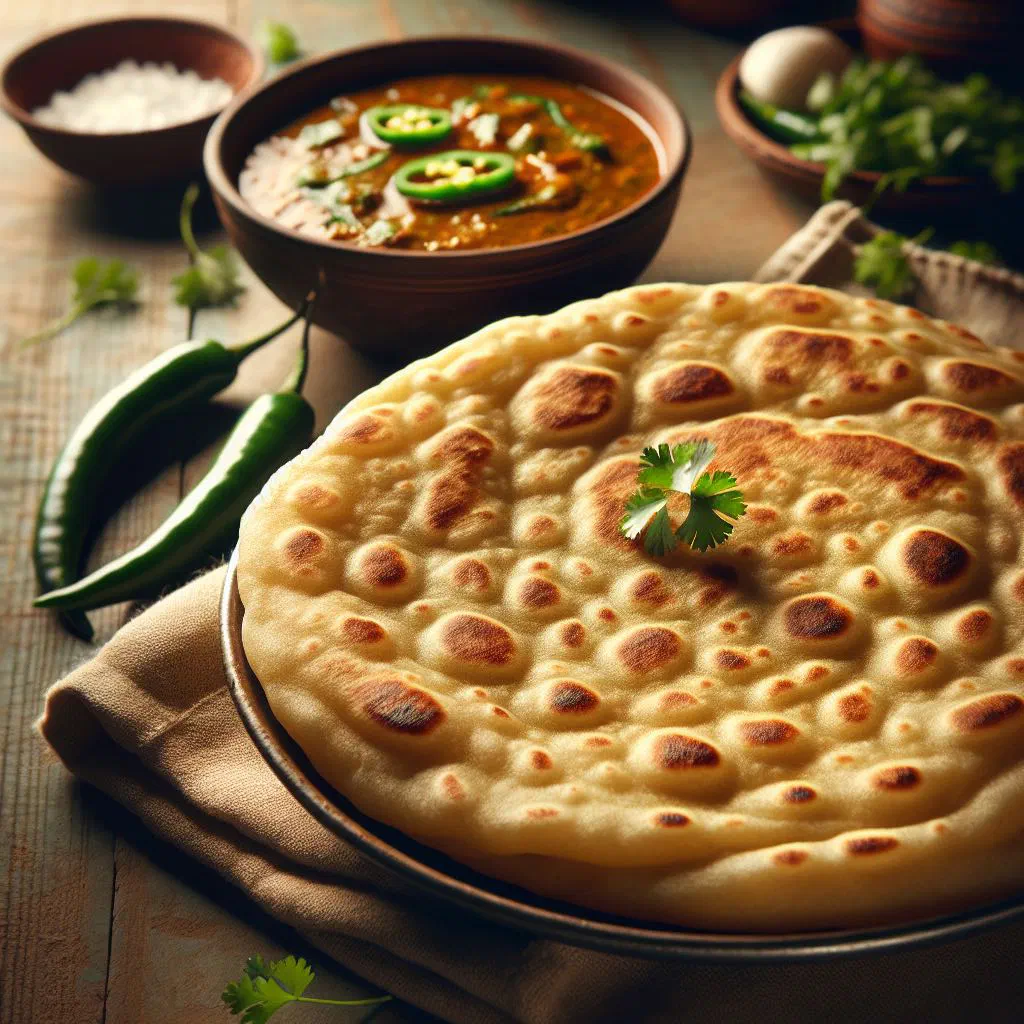
Discover Pani Roti, a wonderfully simple flatbread from Nepal with a texture unlike any other. Rather than being baked or fried, these thin rounds are gently poached in simmering water, which gives them a soft, delicate bite that soaks up curries and spicy dips beautifully. Easy to make and endlessly adaptable, Pani Roti brings a genuine taste of Nepalese home cooking to your own kitchen.
About Pani Roti
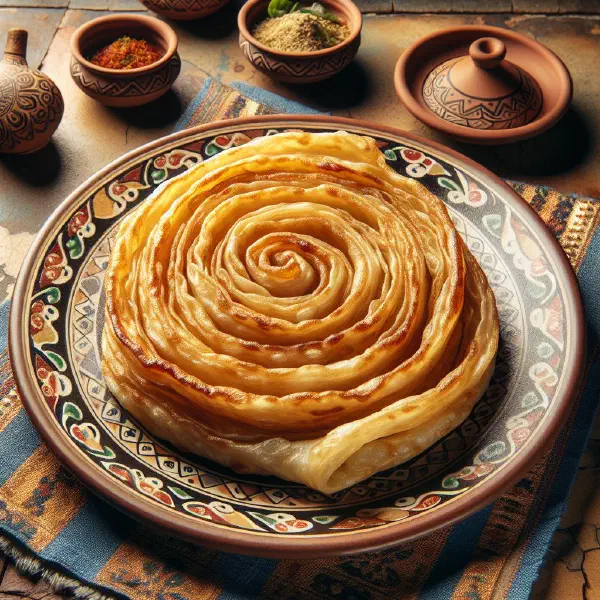
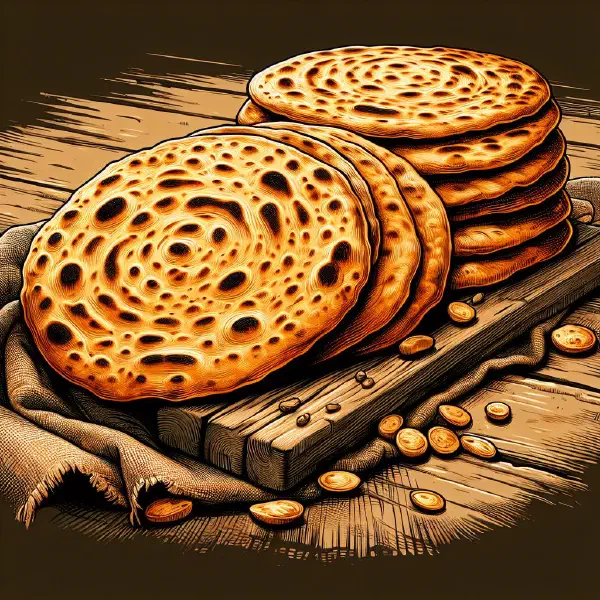
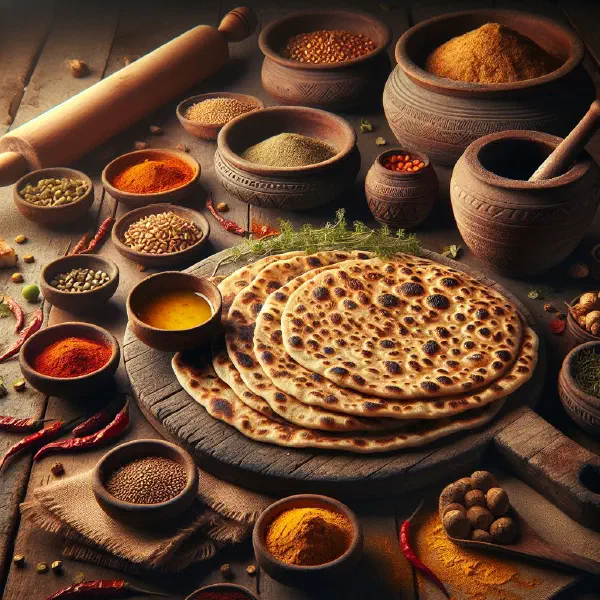
Pani Roti is a traditional Nepalese dish celebrated for its unusual flavour and its distinctive method of preparation. These thin flatbreads are cooked in hot water, which gives them an uniquely tender texture that pairs beautifully with a range of dips or curries. Pani Roti is quick to prepare and remarkably versatile, since it can be filled or served in countless ways. In Nepal this dish is especially popular and counts among the country’s much-loved national specialities.
Ingredients (serves 1–2)
- 250 g wheat flour
- 150 ml warm water
- 1 tsp salt
- 1 tsp ghee or vegetable oil
- Optional: spices such as cumin or coriander
Shopping for the ingredients
When shopping for Pani Roti, it is worth paying attention to the quality of the wheat flour, as this has a decisive influence on the flavour and texture of the flatbread. Organic flour is an excellent choice, since it is free from unwanted residues. It can also be well worth looking for ghee at an Asian grocery or a Nepalese market, as it lends the bread an authentic flavour. Spices such as cumin or coriander should be fresh and aromatic so they release their full fragrance.
Preparing the dish
Good preparation is the key to making Pani Roti. First, gather all the ingredients together to make the cooking process easier. Mix the wheat flour with the salt in a bowl and add the warm water a little at a time. Knead the dough well until it is smooth and supple, then let it rest for at least 30 minutes so the gluten can develop.
Step-by-step instructions
- Prepare the dough from wheat flour, salt and warm water, then leave it to rest.
- Shape small balls from the dough, roughly the size of a golf ball.
- Roll the dough balls out into thin rounds on a floured surface.
- Bring a pot of water to the boil, then reduce the heat so the water is only gently simmering.
- Slide the flatbreads into the simmering water and cook for 1–2 minutes, until they float to the surface.
- Lift the Pani Roti out with a slotted spoon and let them drain.
- Serve the freshly cooked flatbreads hot with your favourite dip or curry.
Gluten-free / lactose-free version
For a gluten-free version you can replace the wheat flour with rice flour or a gluten-free flour blend. Take care to adjust the amount of water accordingly, as different flours absorb liquid at different rates. Lactose-free alternatives to ghee include vegetable oils or margarine, both of which are well suited to frying. These adjustments mean that people with food intolerances can enjoy Pani Roti too.
Tips for vegans and vegetarians
Pani Roti is easy to vary with plant-based ingredients, so vegans can enjoy it to the full as well. Try using vegetable stock instead of water, for example, to give the dough extra flavour. You can also fold mixed vegetables or pulses into the accompaniments to create a more nourishing meal. Serve the flatbreads with a vegan dip or curry sauce to round the dish off and enjoy a varied palette of flavours.
More tips and tricks
To make sure your Pani Roti turns out perfectly, here are a few tips: let the water come to the boil before you add the flatbreads. This keeps the cooking time short and helps the roti hold their tender, airy texture. Roll the dough out evenly and not too thin, so the flatbreads do not tear while cooking. It also helps to keep the water from boiling too hard, to avoid it bubbling over.
Adapting the recipe to your taste
Pani Roti is easy to adapt to personal preference. Experiment with different spices or fillings to give the dish your own individual touch. You might work chopped herbs such as mint or coriander into the dough, or even add regional spice blends. Just make sure these tweaks enrich the eating experience and keep the dish interesting.
Ingredient substitutions
If you do not have certain ingredients to hand, there are often alternatives you can use. Instead of ghee, olive oil or coconut oil work well to achieve a similar texture and flavour. If you would rather avoid wheat flour, try spelt flour or chickpea flour to explore different flavour and nutrient profiles. These alternatives offer variety and nourishing options for your diet, much like the hearty batter behind Kodo Ko Roti.
Drink pairing ideas
Plenty of drinks go beautifully with Pani Roti. Classic choices such as a Nepalese lassi or an aromatic mint tea pair especially well. For a refreshing note, a mint lemonade or a glass of coconut water can also be served. These drinks complement the flavours of the dish and make for a well-rounded eating experience, much like a warming cup of Nepalese Masala Tea.
Serving and presentation ideas
For an attractive presentation, arrange your Pani Roti on a large plate surrounded by colourful dips and fresh accompaniments. Use bright vegetable salads as decorative elements and scatter fresh herbs over the top. We eat with our eyes first, so make sure the plate looks colourful and inviting. The right serving dishes can add to both the presentation and the overall ambience.
A bit of history
Pani Roti has its roots in Nepalese culture and has been prepared for generations. Its method of preparation, poaching in water rather than baking, is unusual and gives the dish its distinctive character. This tradition has endured over the centuries and is valued in homes and restaurants alike. The simplicity of the ingredients and the versatility of the dish reflect the food culture of Nepal, shaped by its flavours and textures, a heritage it shares with breads such as Sel Roti and other staples of Nepalese cuisine.
More recipe ideas
Summary: Pani Roti
Pani Roti is a versatile and delicious dish that embodies the rich variety of Nepalese flavours. With simple ingredients and a special method of preparation, you can create an authentic Nepalese experience in your own kitchen. These tender flatbreads are a real treat. Let yourself be won over by their unique texture and aromatic taste, and experiment with different dips and curries to add your own personal touch.