National Dish Nepal: Phapar Roti (Recipe)
In this article
Meet Phapar Roti, a rustic buckwheat flatbread from the mountain kitchens of Nepal. Naturally gluten-free and prized for its warm, nutty flavour, this simple bread has kept hill communities well fed for generations. It needs only a handful of everyday ingredients, comes together in minutes and pairs beautifully with a spicy curry or a bowl of lentils. Bring a taste of the Himalayan foothills straight to your own table.
About Phapar Roti
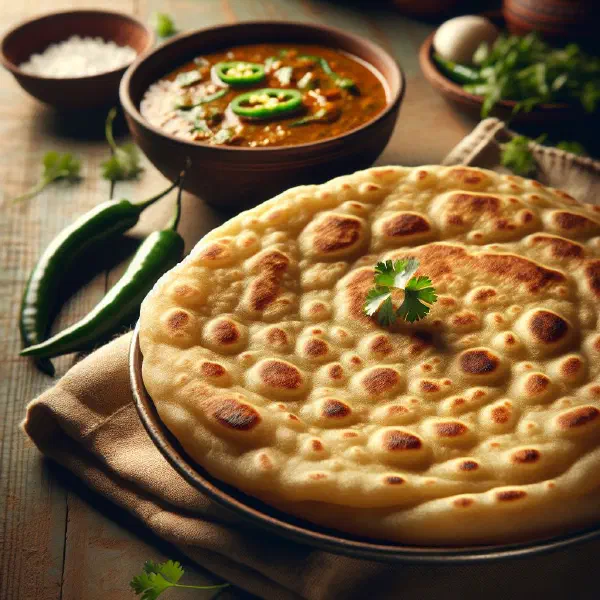
Phapar Roti is a traditional Nepalese flatbread made from buckwheat flour. Across the rural regions of Nepal it is served as a staple food and enjoyed with real affection. Its nutty flavour and its gluten-free nature make it a wonderful choice for anyone with food intolerances or allergies. Phapar Roti is remarkably versatile, working equally well as a side to all manner of curries or as a main dish paired with fresh vegetables, a humble but satisfying example of Nepalese cuisine.
Ingredients (serves 1–2)
- 1 cup buckwheat flour
- 1/2 teaspoon salt
- Warm water (as needed)
- 2 tablespoons oil (optional)
Shopping for the ingredients
To make Phapar Roti you will need fresh, good-quality buckwheat flour. This is available in most Asian grocery shops or well-stocked supermarkets. Do check that the flour is genuinely gluten-free, as quality and processing can vary from brand to brand. Salt and oil are usually already in the cupboard, so you probably will not need to buy them specially.
Preparing the dish
Making Phapar Roti takes only a few steps, but each one matters for the final result. Begin by combining the buckwheat flour and the salt in a bowl. Then gradually add warm water until you have a smooth dough. It is important that the dough does not become too stiff, so that it stays easy to handle and roll out.
Step-by-step instructions
- Combine the buckwheat flour and the salt in a bowl.
- Gradually add warm water and knead the dough until it is smooth and pliable.
- Divide the dough into small portions and shape them into balls.
- Roll each ball out into a flatbread on a lightly floured surface.
- Heat a pan and cook the flatbread until golden brown on both sides.
- Serve the Phapar Roti warm with your favourite curry or vegetables.
Gluten-free / lactose-free version
Because Phapar Roti is already made from gluten-free buckwheat flour, it is ideal for anyone with coeliac disease or a gluten intolerance. The recipe contains no dairy at all, so it also suits those who are lactose intolerant. Do check every ingredient carefully, especially if you are using branded products, to make sure your dish stays completely gluten- and lactose-free.
Tips for vegans and vegetarians
Phapar Roti is naturally vegan and vegetarian, which makes it a great choice for any plant-based way of eating. Use it as a wholesome side to your vegetable dish, or serve it with a hearty lentil soup such as Dal Bhat. To vary the flavour, you can also work vegetables or herbs into the dough, adding an extra layer of taste and nutrition.
More tips and tricks
One key tip for perfect Phapar Rotis is careful temperature control while cooking. Make sure the pan is hot enough before you lay the flatbread down, so it develops a lovely, crisp surface. Keep the finished breads wrapped in a cloth to hold in the warmth while you cook the rest. For extra flavour, try brushing each flatbread with a little ghee or oil.
Adapting the recipe to your taste
The recipe for Phapar Roti is wonderfully adaptable. You can experiment with different spices to vary the flatbreads to your liking. Adding cumin or coriander, for example, enriches the aroma beautifully. Using olive oil in place of ordinary oil can also lend the dough an interesting note of its own.
Ingredient substitutions
If you do not have buckwheat flour to hand, you could also try cornmeal or other gluten-free flour alternatives, much as you would for Buckwheat Pancakes. These may shift the flavour and texture of the Phapar Roti slightly, so adjust the quantities accordingly to keep the dough smooth. You can also rework the recipe with other spices or herbs to vary the aromas.
Drink pairing ideas
Plenty of drinks pair nicely with Phapar Roti and round out the whole experience. A refreshing mint tea or a sweet lassi make ideal companions. For a heartier combination, a homemade ginger tea works wonderfully, complementing the spices of the meal. Water with lemon or mint is another light and refreshing choice.
Serving and presentation ideas
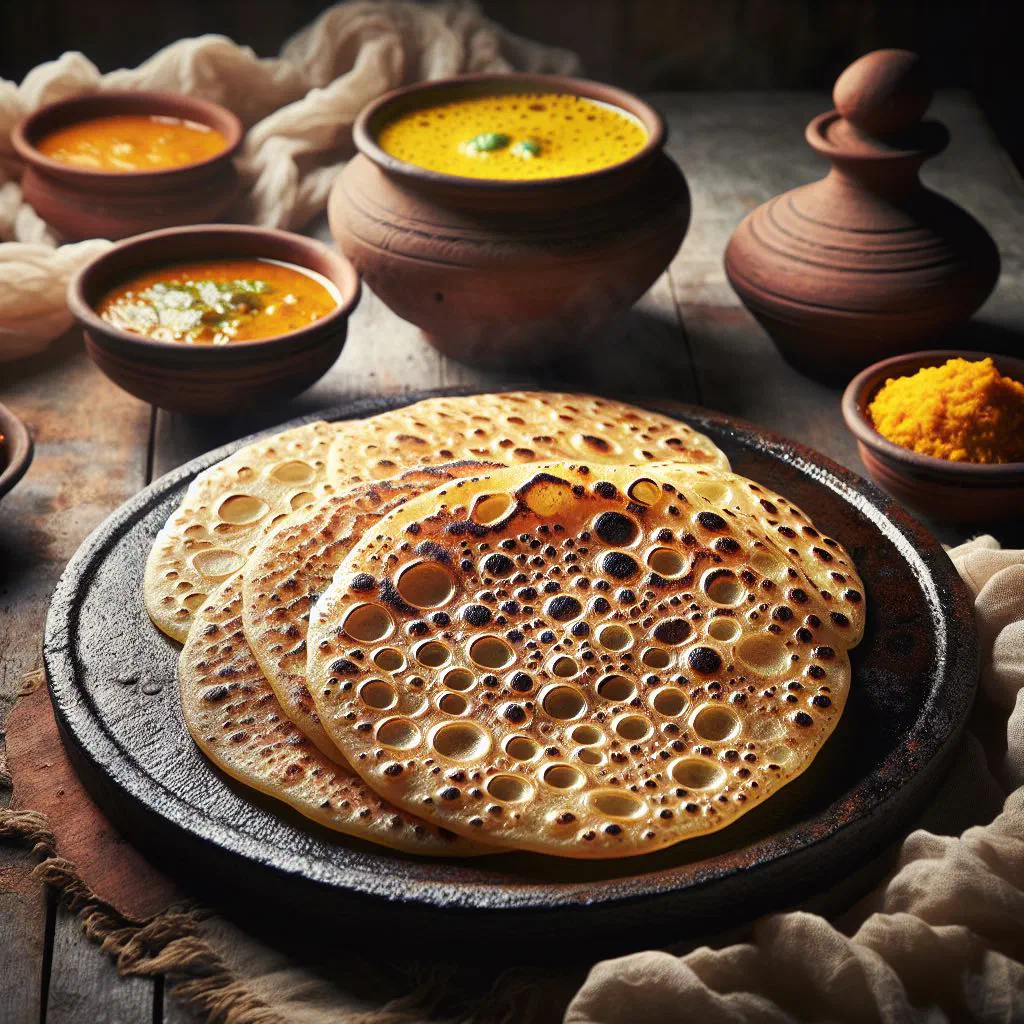
When presenting Phapar Roti, it helps to arrange the flatbreads on a large plate and keep them warm. Decorate the plate with fresh herbs or sliced vegetables to add colour and freshness. Serve the bread alongside small bowls of different dips or curries, so your guests can try out the combinations however they please.
A bit of history
Phapar Roti has a long history in the Nepalese kitchen and is a symbol of the country’s tradition and culture. It is often linked to rural life, where buckwheat is an important food crop. Compared with wheat, buckwheat has a far longer history of cultivation in the mountain regions of Nepal. Its ecological, low-input farming protects the environment and supports the local economy, much like other hill staples such as Aloo Tama.
More recipe ideas
Summary: Phapar Roti
To sum up, Phapar Roti is a delicious and versatile choice within Nepalese cuisine. Its gluten-free nature, nutty flavour and straightforward preparation make it a much-loved dish both in Nepal and further afield. It offers plenty of ways to enjoy the flavours of the Nepalese kitchen. Give this dish a try and let its distinctive aromas win you over.