National Dish Nepal: Pustakari (Recipe)
In this article
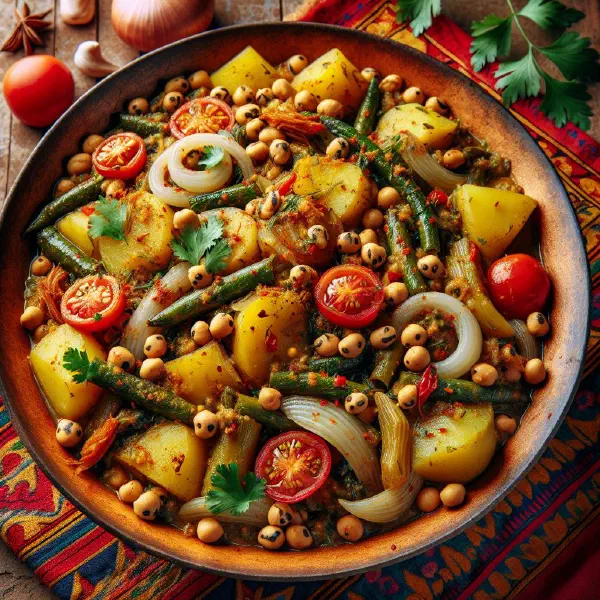
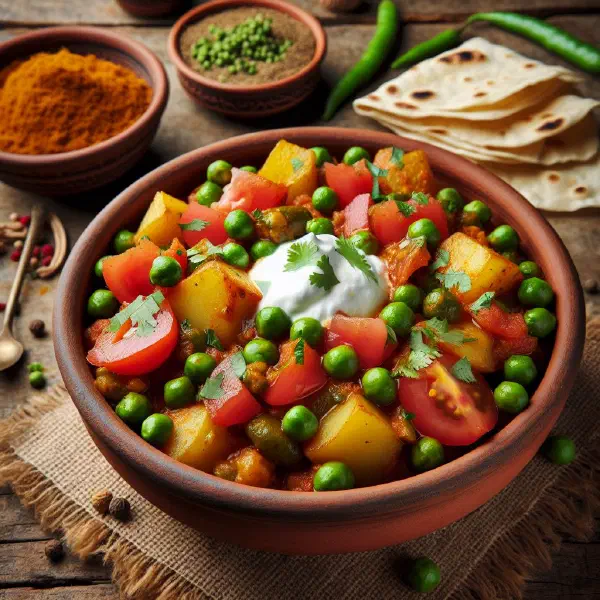
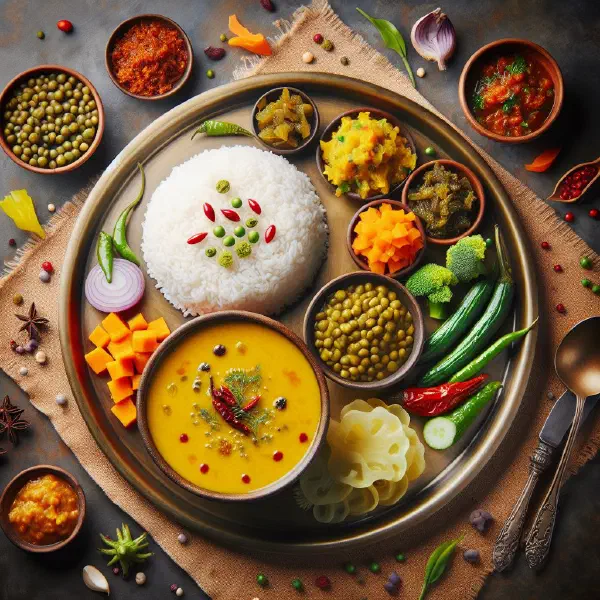
Say hello to Pustakari, a comforting dish that carries the warmth of the Nepalese kitchen straight to your table. Fresh vegetables meet fragrant spices in a plate that is as at home at a family gathering as it is on an ordinary weeknight. Traditionally served with rice and a handful of well-chosen sides, it offers a gentle, satisfying introduction to the flavours of the Himalayas, and it is surprisingly simple to make in your own kitchen.
About Pustakari
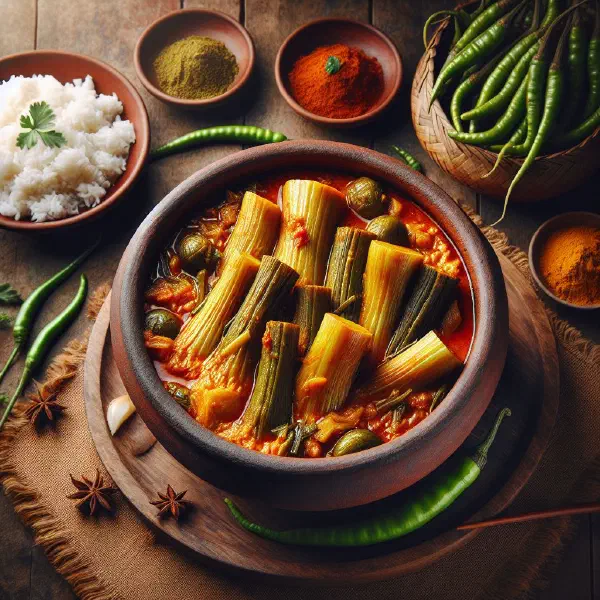
Pustakari is one of Nepal’s best-known national dishes, celebrated for the way it brings together fresh ingredients and aromatic spices. It is often served at festive occasions and family celebrations, and it reflects the centuries-old culture of this Himalayan country. The dish is typically enjoyed with rice and an assortment of sides that round out the whole experience. Preparing pustakari is a lovely way to discover the rich variety of Nepalese cuisine and to taste it for yourself.
Ingredients (serves 1–2)
- 200 g rice
- 100 g potatoes
- 100 g green peas
- 1 onion
- 2 cloves of garlic
- 1 teaspoon ginger paste
- 1 teaspoon turmeric
- 2 tablespoons oil
- Salt and pepper, to taste
Shopping for the ingredients
When shopping for the ingredients for pustakari, it is worth seeking out fresh, good-quality produce. Visit a local market or a wholefood shop to pick up the best of the vegetables and spices. Many of the items you need are stocked in any ordinary supermarket, but fresh herbs and spices can lift the meal considerably. Investing a little time in tracking down authentic ingredients pays off in a much fuller flavour.
Preparing the dish
The preparation of pustakari is a simple but important step that shapes the final result. Begin by washing the vegetables thoroughly and cutting the potatoes and onions into small pieces. Peeling the garlic and getting the ginger paste ready are just as vital, as they help intensify the aromas. Make sure everything is prepped and within easy reach before you start cooking, so the process runs smoothly.
Step-by-step instructions
- Heat the oil in a pan and add the onions.
- Fry the onions until golden brown, then stir in the garlic and ginger paste.
- Add the potatoes and peas to the pan and sauté everything well.
- Season with turmeric, salt and pepper, and let it simmer for about 5 minutes.
- Cook the rice separately in a pot according to the packet instructions.
- Serve the pustakari warm with the rice and enjoy.
Gluten-free / lactose-free version
Pustakari is naturally gluten-free and can just as easily be made lactose-free, since it needs no dairy at all. That makes it an ideal choice for anyone with dietary restrictions. By sticking to certified gluten-free staples, such as suitable rice alternatives, you can be sure the dish works for everyone at the table. Do check ingredient labels carefully to rule out any hidden sources of gluten.
Tips for vegans and vegetarians
Pustakari adapts effortlessly for vegans and vegetarians, as it contains no animal products to begin with. Instead of adding meat or fish, you can fold in extra vegetables or pulses for more protein and nutrients. The dish can also be refined further with different spices to build up a wonderful range of flavours. That keeps it not only tasty but nourishing and wholesome too, much like a hearty bowl of Dal Bhat.
More tips and tricks
To make pustakari even more delicious, experiment with different spices and ingredients. A scattering of fresh coriander leaves or a few chillies can give the dish a real lift. It also helps to soak the potatoes in water before cooking, which shortens their cooking time. A thoughtful presentation with fresh herbs and a squeeze of lemon juice can heighten the whole experience.
Adapting the recipe to your taste
Everyone has their own preferences, and this recipe for pustakari is easy to adapt. If you like things spicier, simply add more chillies; if you prefer a milder plate, reach for gentler vegetables. You can also try out other sides, such as salads or dips, to bring more variety to the meal. The possibilities are endless, and they let everyone add a personal touch.
Ingredient substitutions
Many recipes include ingredients that can be swapped for alternatives. If you have no peas to hand, for example, carrots or beans make a fine stand-in. With the spices, too, you can play with similar aromas to create a different flavour, the sort of relaxed swapping that works nicely in Vegetable Tarkari. The aim is to keep the dish tasty and appealing while you explore your own culinary options.
Drink pairing ideas
To round off the flavour of pustakari, a range of drinks works beautifully. A refreshing, ice-cold lassi, a yoghurt drink, or a freshly blended fruit shake makes an excellent companion to this meal. For something more warming, a traditional Nepalese Masala Tea or a light soup pairs well too. The right choice of drink can complete the menu and create a harmonious combination.
Serving and presentation ideas
Presentation matters when it comes to whetting the appetite. Pustakari arranged attractively, perhaps with fresh coriander leaves and a light touch of lime juice, adds real visual appeal. Use colourful serving dishes or add sides in a variety of shades to make the plate look lively. A creative arrangement can inspire your guests and turn the meal into a special occasion.
A bit of history
Pustakari has its roots in Nepalese culture, which is so often shaped by regional ingredients and traditions. Historically, the dish has been passed down from generation to generation and is a symbol of sociable, family gatherings. At important festivals and ceremonies, pustakari is frequently served as a highlight to celebrate the importance of community. This deeply rooted history makes pustakari more than a dish. It is an expression of culture and togetherness.
More recipe ideas
Summary: Pustakari
Pustakari is a delicious and versatile dish that wins you over with its aromas and with its cultural significance. It is simple to prepare and offers plenty of scope for adapting it to personal taste. By using fresh ingredients and authentic spices, you bring a little piece of Nepal into your own kitchen. Let the Nepalese kitchen inspire you and savour the unique flavour of pustakari.