National Dish Nepal: Rayo Ko Tarkari (Recipe)
In this article
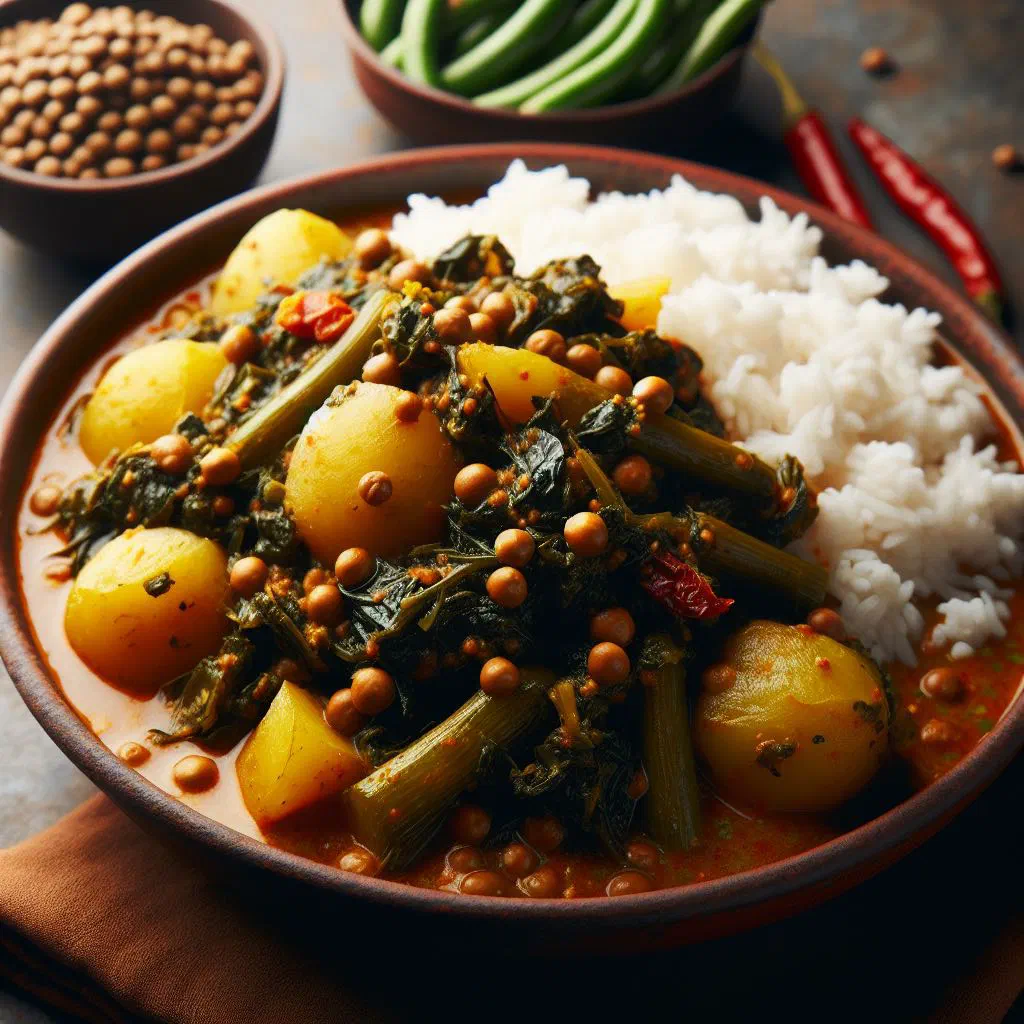
Discover Rayo Ko Tarkari, a wholesome everyday classic from the hills of Nepal. This nourishing dish transforms peppery mustard greens into a fragrant, lightly spiced stir-fry that is both simple and deeply satisfying. Rich in vitamins and bursting with warming aromas of turmeric and cumin, it is a natural choice for vegetarians and anyone who loves the honest flavours of Nepalese cuisine. Bring a taste of the Himalayan kitchen straight to your own table.
About Rayo Ko Tarkari
Rayo Ko Tarkari is a traditional Nepalese dish made from mustard greens, a leafy vegetable that is as nutritious as it is flavourful. Naturally high in vitamins and minerals, the greens are cooked down with a handful of aromatic spices and fresh vegetables to create a genuinely distinctive taste. The result is a hearty, wholesome dish that suits everyday meals as well as special occasions. It is a superb choice for vegetarians and for anyone who appreciates the earthy character of Asian cooking.
Ingredients (serves 1–2)
- 250 g mustard greens
- 1 medium onion, finely chopped
- 2–3 cloves garlic, crushed
- 1–2 green chillies, sliced into rings
- 1 teaspoon turmeric powder
- 1 teaspoon ground cumin
- 2 tablespoons sunflower oil
- Salt to taste
- Fresh coriander, to garnish
Shopping for the ingredients
When shopping for Rayo Ko Tarkari, it is worth seeking out fresh, bright mustard greens for the best results. You will often find them in international supermarkets or Asian grocery shops. Make sure your spices are fresh too, as this makes all the difference to the final flavour. Where you can, choose local and organic produce to lift the quality of your dish even further.
Preparing the dish
Preparing Rayo Ko Tarkari could not be simpler. Begin by washing the mustard greens thoroughly and trimming away any thick, tough stalks. Finely chop the onion and garlic so they blend seamlessly into the dish. The green chillies can be added to taste, depending on just how much heat you enjoy.
Step-by-step instructions
- Heat the sunflower oil in a pan over medium heat.
- Add the finely chopped onion and fry until translucent.
- Stir in the crushed garlic and green chilli and cook briefly to release their aroma.
- Add the turmeric and ground cumin and mix everything together well.
- Tip in the washed mustard greens and stir until they wilt and soften.
- Season with salt to taste and garnish with fresh coriander before serving.
Gluten-free / lactose-free version
Rayo Ko Tarkari is naturally gluten-free and lactose-free, making it an ideal choice for anyone with intolerances. By sticking to the ingredients listed here, you can be confident the dish is accessible to everyone at the table. Just double-check that any spices you use are also certified gluten-free, so you can enjoy a healthy and worry-free meal.
Tips for vegans and vegetarians
For vegans, Rayo Ko Tarkari is a real gift, as it contains no animal products whatsoever. You can happily tailor the dish with further plant-based additions such as tofu or other vegetables. Stirring in seasonal produce boosts both the nutrition and the flavour, while a scattering of aromatic herbs takes the whole experience up another notch. Much like Saag Ko Tarkari, it proves how satisfying a simple plant-based plate can be.
More tips and tricks
A few extra tips can make preparing Rayo Ko Tarkari even easier. Wash and chop the mustard greens in advance, for example, so the cooking comes together in minutes. Experiment with different spice blends to uncover new layers of flavour, and do not be afraid to get creative and adapt the recipe to your own taste. A splash of lemon juice at the end brightens the greens beautifully.
Adapting the recipe to your taste
The beauty of Rayo Ko Tarkari is how easily it bends to personal preference. Do you like things fiery? Add more chilli. Prefer a gentler version? Simply hold back on the spices. This flexibility lets you cook the dish exactly the way you like it while still preserving the authentic flavours of Nepal.
Ingredient substitutions
If some ingredients for Rayo Ko Tarkari prove tricky to find, there are plenty of good stand-ins. In place of mustard greens you can use spinach or chard, both of which offer a delicious, tender result. When it comes to the spices, a ready-made garam masala blend works well if you do not have individual spices to hand. Substitutions like these are convenient and invite you to discover fresh flavour combinations.
Drink pairing ideas
Many drinks pair wonderfully with Rayo Ko Tarkari. A refreshing mint lemonade or a light lager can complement the dish perfectly, while a spiced masala chai is an excellent choice if you want something with more aroma. These drinks round off the Nepalese meal beautifully and provide a pleasant, cooling refreshment alongside the warm, savoury greens.
Serving and presentation ideas
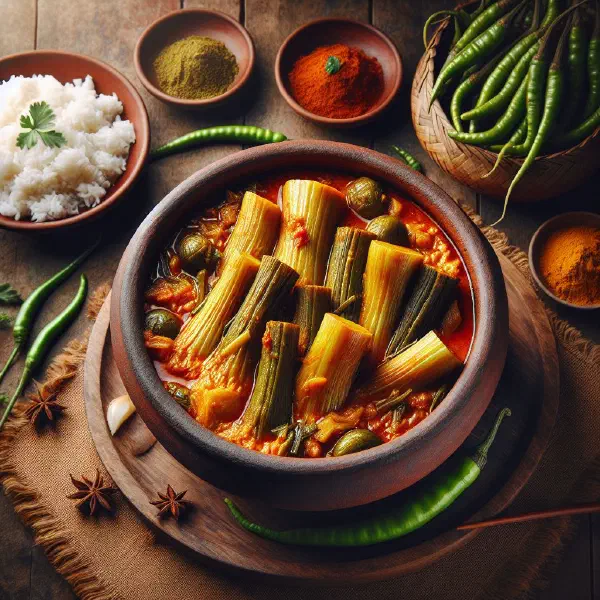
Thoughtful presentation can lift the whole Rayo Ko Tarkari experience. Serve the greens in an attractive bowl and garnish with fresh coriander and a few slices of lemon. A small pot of steamed rice or a couple of warm chapatis alongside make a perfect accompaniment. The vivid colours of the ingredients make the meal all the more appetising and inviting.
A bit of history
Rayo Ko Tarkari has deep roots in Nepalese cooking and is widely regarded as part of the country’s traditional diet. The dish is especially common in the rural regions of Nepal, where fresh vegetables grow in abundance. The use of mustard greens is delicious and healthy, delivering a wealth of nutrients in the most natural way. It reflects the close bond between people and their surroundings, showing how regional produce is turned into something truly nourishing, a hallmark of Nepalese cuisine.
More recipe ideas
Summary: Rayo Ko Tarkari
In short, Rayo Ko Tarkari is far more than a simple dish; it is a healthy, nourishing choice that suits just about anyone. This recipe brings you closer to authentic Nepalese cooking. With its many possible adaptations and easy-to-source ingredients, it slots effortlessly into your weekly menu. pleasure your family and friends with this traditional, wholesome dish.