National Dish Nepal: Sandheko Masu (Recipe)
In this article
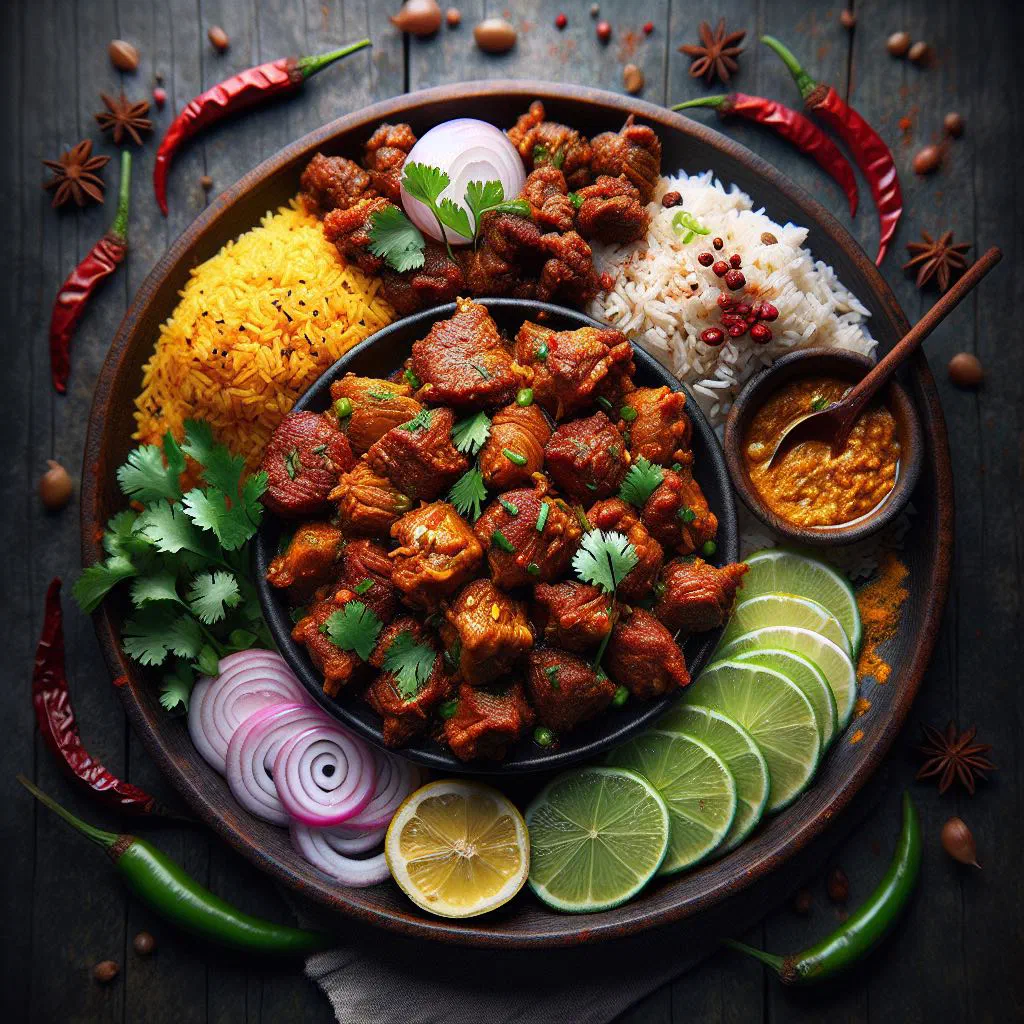
Meet Sandheko Masu, a boldly spiced meat dish that sits at the heart of Nepalese celebration cooking. Tender pieces of mutton or goat are tossed with fresh herbs, green chillies and a fragrant blend of ground spices, giving every mouthful a lively, unmistakable kick. It is the kind of dish that turns up at feasts and family gatherings, and it rewards anyone who loves deep, warming flavour. Bring a little of Nepal’s festive spirit to your own table with this satisfying recipe.
About Sandheko Masu
Sandheko Masu is a much-loved dish from Nepal, celebrated above all for its pronounced aromas. It is a spicy preparation built around tender meat, most often mutton or goat, brought to life by a combination of fresh herbs and a generous variety of spices. That balance of freshness and warmth is what makes Sandheko Masu such a genuine taste experience. The dish is frequently served at festive occasions and remains a firmly rooted part of Nepalese culture.
Ingredients (serves 1–2)
- 500 g tender mutton or goat meat
- 1 onion, diced
- 2–3 cloves garlic, chopped
- 1 teaspoon grated ginger
- 2–3 green chillies, chopped
- 1 teaspoon cumin
- 1 teaspoon coriander seeds
- 1 teaspoon turmeric
- Fresh coriander leaves, to garnish
- Salt and pepper to taste
- 2 tablespoons oil
Shopping for the ingredients
When shopping for the ingredients for Sandheko Masu, it is important to pay attention to the quality of the meat. Look for fresh, tender cuts that are ideally sourced locally and from responsible farming. Fresh herbs such as coriander and chilli can often be found at local markets. The spices matter just as much and are best freshly ground, so you draw out the fullest possible aroma.
Preparing the dish
Preparing Sandheko Masu means cutting the meat into small pieces and getting all the other ingredients ready. Start by finely chopping the onion, garlic and ginger. The green chillies should also be well chopped so their heat is evenly distributed. This groundwork is important, as it makes the cooking easier and helps ensure a harmonious, well-balanced flavour.
Step-by-step instructions
- Heat the oil in a pan and sauté the diced onion until translucent.
- Add the garlic, ginger and green chillies and fry briefly.
- Add the meat and brown it on all sides.
- Stir in the cumin, coriander, turmeric, salt and pepper and mix well.
- Add a little water, cover the pan and let the meat cook over low heat until tender.
- Stir, adjust the seasoning to taste and garnish with fresh coriander leaves.
Gluten-free / lactose-free version
Making Sandheko Masu gluten-free and lactose-free is completely straightforward, as most of the ingredients are naturally free of both. Just take care that any spices you use, along with any stock you may add, also meet these criteria. That way you can enjoy the dish without worry while still keeping to your dietary needs.
Tips for vegans and vegetarians
Sandheko Masu adapts very well for vegans and vegetarians. Instead of meat you can use mushrooms, tofu or jackfruit to achieve a similar texture. These alternatives combine beautifully with the same spices and herbs, so you still reach that distinctive flavour. You could also add vegetables such as aubergine or squash to make the dish even more nourishing.
More tips and tricks
A few extra tips and tricks can make Sandheko Masu even more delicious. For instance, marinating the meat in yoghurt beforehand helps make it more tender. Try out different spices too, varying the flavour to suit your own taste. To control the heat, adjust the number of chillies or choose milder varieties. All these small changes can lift and personalise your dish. If you enjoy this kind of boldly seasoned meat, you will feel right at home with Choila.
Adapting the recipe to your taste
The recipe for Sandheko Masu is easy to adapt to your preferences. Experiment with the spices or the cooking method to create your own unique variations. You could, for example, prepare the dish in a slow cooker so the flavours grow more intense. The side dishes can be varied to taste as well, keeping things interesting from one meal to the next.
Ingredient substitutions
If you do not have every ingredient to hand, you can easily find substitutions. In place of mutton, poultry such as chicken or duck also works well, much like the tender bird at the heart of Gorkhali Lamb. Fresh herbs can be swapped for dried ones, though it is wise to reduce the quantity. The spices, too, can vary according to what is available and to your personal taste.
Drink pairing ideas
To round off the experience of Sandheko Masu, choose the right drinks to go with it. A cool lager pairs wonderfully with the dish’s spice. A well-chilled white wine or a fruity rosé is also a great choice. If you prefer something alcohol-free, a refreshing mint lemonade picks up the flavours of the dish beautifully.
Serving and presentation ideas
Presentation plays a big part in serving any dish well. Arrange Sandheko Masu on a large platter, garnish it with fresh coriander leaves and scatter over a few chopped nuts or seeds. You can also arrange colourful vegetables and rice as sides on the plate. An appealing presentation makes the dish even more appetising and helps create a festive atmosphere.
A bit of history
The history of Sandheko Masu is deeply rooted in Nepalese culture and reflects the wide range of influences that have shaped the country’s cooking. Traditionally the dish was prepared for festivals and celebrations, and it has evolved over time. The use of fresh herbs and spices is an essential feature of Nepalese culinary art, a hallmark you will find across the wider world of Nepalese cuisine. Sandheko Masu is a fine example of how food can tell stories and connect cultures.
More recipe ideas
Summary: Sandheko Masu
To sum up, Sandheko Masu is a culinary highlight of Nepalese cuisine. With its spicy aromas and its many possible variations, this dish can satisfy every kind of palate. Sandheko Masu is easy to adapt and offers everyone a memorable taste experience. Discover the flavours of Nepal and let this remarkable dish win you over.