National Dish Nepal: Sukuti Ko Achar (Recipe)
In this article
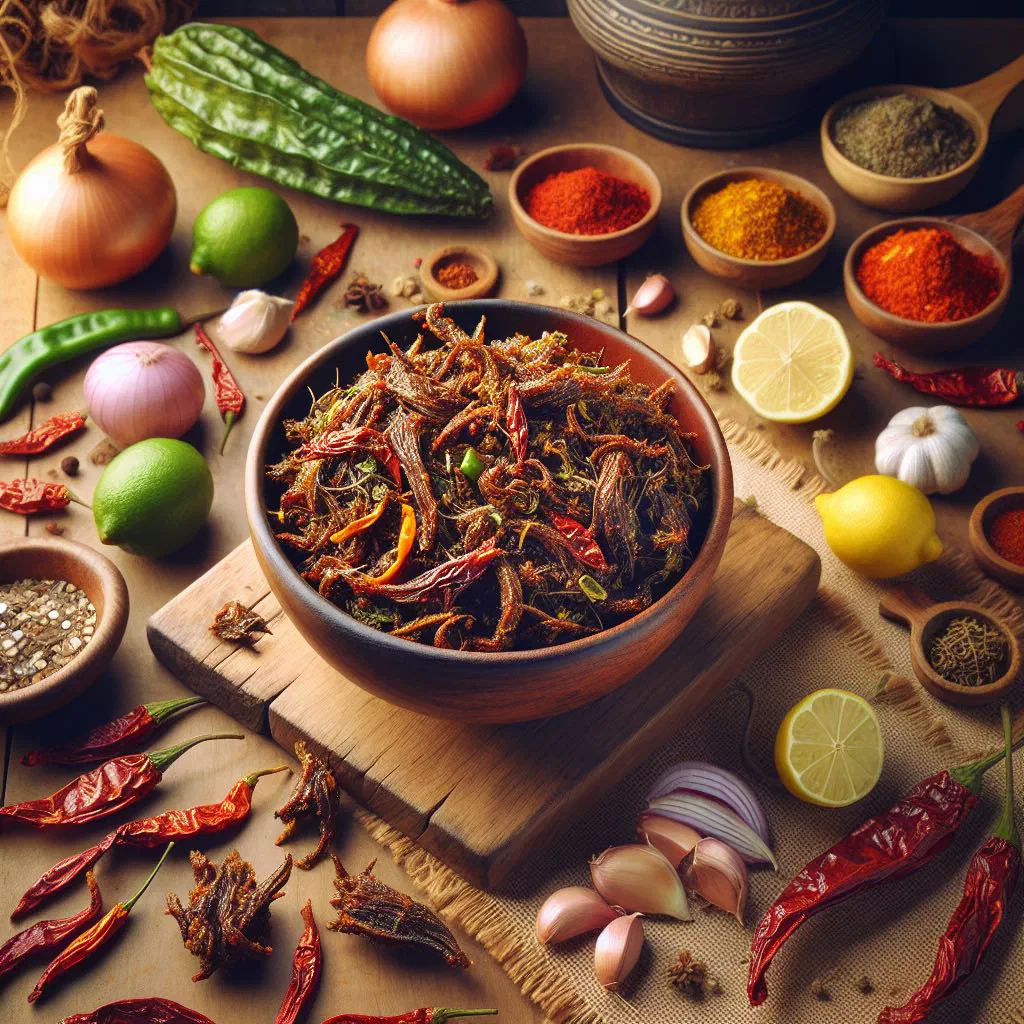
Meet Sukuti Ko Achar, a fiery Nepalese favourite that puts a smile on the face of anyone who loves bold, spicy food. Chewy strips of dried meat are tossed with a lively mix of spices, herbs and freshly squeezed lime, making a punchy snack that doubles as a moreish side. Every mouthful delivers heat, tang and deep savoury flavour in equal measure. Bring a taste of the Himalayan foothills to your own kitchen with this memorable dish.
About Sukuti Ko Achar
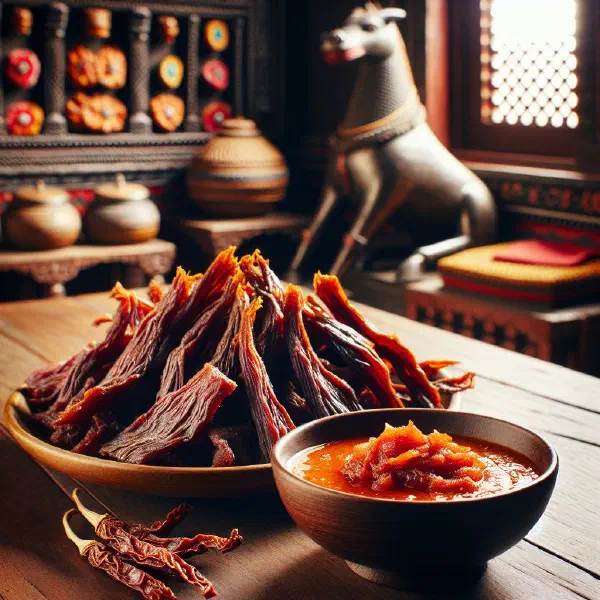
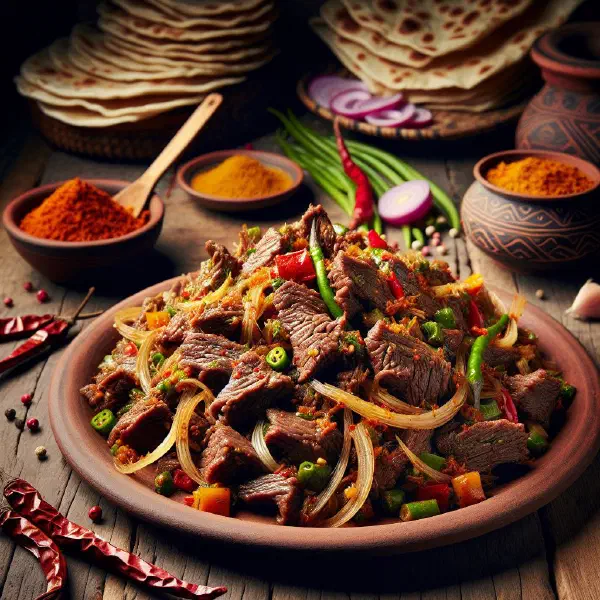
Sukuti Ko Achar is a traditional Nepalese dish that will pleasure anyone who enjoys spicy food. It is a mixture of dried meat prepared with a wealth of spices, herbs and fresh limes. The dish works beautifully as a snack as well as a side, and it enriches any spread with its distinctive flavour. Its sharp kick and aromatic depth make Sukuti Ko Achar a genuine treat on the plate.
Ingredients (serves 1–2)
- 200g dried meat (such as beef or mutton)
- 2–3 tablespoons oil (sesame or sunflower oil work well)
- 1 teaspoon mustard seeds
- 1 teaspoon cumin seeds
- 2–3 fresh chillies (to taste)
- Juice of 1 lime
- A handful of fresh coriander leaves
- Salt to taste
Shopping for the ingredients
When shopping for Sukuti Ko Achar it is important to choose fresh, good-quality meat. Dried meat is best sourced from specialist shops or Asian markets. The spices should be fresh too, so they release their full aroma. Look out for fresh vegetables and herbs, especially coriander and limes, as these are essential to the dish’s unique taste.
Preparing the dish
Before you start cooking Sukuti Ko Achar, make sure you have all your ingredients to hand. Depending on your preference, the dried meat can be soaked briefly to improve its texture, which also helps it take on the flavours more readily. Set up a clean, well-organised work surface so the whole process runs efficiently and smoothly.
Step-by-step instructions
- Cut the dried meat into small pieces and set aside in a bowl.
- Heat the oil in a pan and add the mustard seeds and cumin seeds, letting them sizzle and pop.
- Add the chillies and fry for a few minutes until fragrant.
- Tip in the prepared meat and stir well so it soaks up all the spices.
- Season with lime juice and salt, then stir through the finely chopped coriander.
- Take the pan off the heat and let the dish cool briefly before serving.
Gluten-free / lactose-free version
Sukuti Ko Achar is naturally gluten-free and lactose-free, which makes it an excellent choice for anyone with those intolerances. Just check that the spices and oils you use contain no hidden sources of gluten. You can enjoy this dish with complete peace of mind while savouring the delicious flavours of Nepal.
Tips for vegans and vegetarians
Vegans and vegetarians can adapt the recipe for Sukuti Ko Achar creatively by replacing the dried meat with dried vegetable alternatives or tofu. Keep the same spices and the characteristic flavour is preserved. Pay attention to the texture of the plant-based swaps so they can soak up the aromas of the spices, which keeps the dish tasty in its vegan version too. A pot of Bhatmas Sadheko makes another satisfying meat-free nibble in the same spirit.
More tips and tricks
A few extra pointers can help you improve your Sukuti Ko Achar even further. Experiment with different spices, or vary the heat to suit your personal taste. You could also serve a side of peppers or other seasonal vegetables to round the dish out. What is more, the achar can be made ahead and kept in the fridge, letting the flavours mingle and deepen even more.
Adapting the recipe to your taste
Some cooks love to get creative with their Sukuti Ko Achar. You might vary the vegetables or the type of meat, for instance, to discover new flavour combinations. It is also worth adjusting the balance of spices to achieve a milder or a more intense aroma.
Ingredient substitutions
If you have trouble finding certain ingredients for Sukuti Ko Achar, there are plenty of workable alternatives. Instead of dried meat you could use seitan or tempeh for a similar texture. For the spices, you can fall back on ready-made spice pastes that deliver comparable aromas. That way the dish stays delicious even when you don’t have every ingredient to hand.
Drink pairing ideas
A variety of drinks pair well with Sukuti Ko Achar and complement its spicy character. A cool local Nepalese beer makes a refreshing choice that balances the heat. Alternatively, fruity juices or lightly sweetened teas work nicely as an accompaniment. These drinks underline the tasting experience and round the whole dish off.
Serving and presentation ideas
Presentation plays an important part in enjoying your Sukuti Ko Achar. Arrange it on a large plate and garnish with fresh coriander leaves. Adding a few lime wedges is decorative and brings a burst of extra freshness. Make sure the colours and textures on the plate harmonise to create an inviting overall picture.
A bit of history
Sukuti Ko Achar has its roots in the Nepalese tradition of preserving food. Drying meat is a technique passed down through generations, keeping the meat edible for longer while developing an intense flavour. The spice blend used ensures the dish stays fresh and tasty long after it is made. This tradition reflects the richness and variety of Nepalese cuisine, which we can still enjoy today, much like the smoky, grilled tradition behind Sekuwa and Choila.
More recipe ideas
Summary: Sukuti Ko Achar
In short, Sukuti Ko Achar is a unique and flavourful dish that mirrors the social and cultural traditions of Nepal. With its combination of spicy, dried meat and aromatic spices, it offers a memorable taste experience for food lovers. It is an indispensable part of Nepalese cuisine. Now it is time to try this delicious dish and dive into the world of Nepalese flavours.