National Dish Nepal: Thukpa (Recipe)
In this article
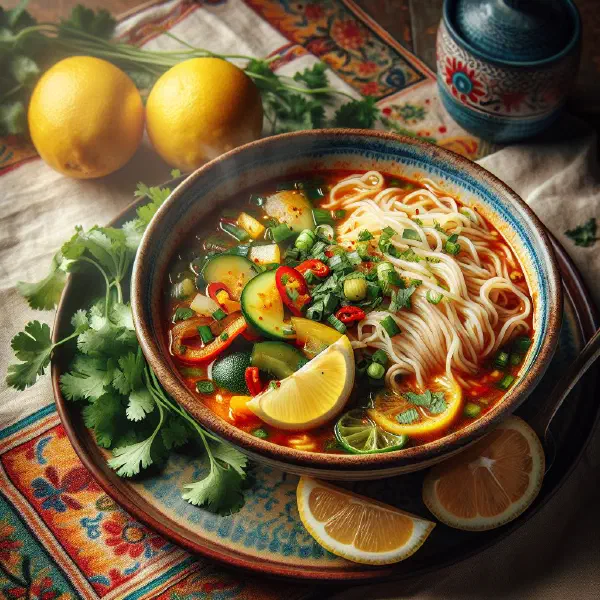
Warm up with Thukpa, a soul-soothing noodle soup that holds a special place in Nepalese kitchens. Brought over the Himalayas from Tibet, this brothy bowl brings together tender noodles, crisp vegetables and fragrant spices in one restorative dish. It is the kind of food that warms both body and spirit, and it comes together in a single pot with very little fuss. Ladle a bowlful and bring a taste of the mountains straight to your table.
About Thukpa
Thukpa is a warming and delicious noodle soup that carries real meaning in Nepal. Originally from Tibet, the dish has become firmly rooted in Nepalese cuisine, charming everyone who tries it with its medley of fresh vegetables and aromatic spices. Thukpa is a dish that warms the body and the heart, as it is so often prepared with love and care. Nourishing and beautifully balanced, it offers a perfect combination of flavours in every spoonful.
Ingredients (serves 1–2)
- 200 g wheat noodles or gluten-free noodles
- 1 carrot, cut into thin strips
- 1 small courgette, diced
- 50 g fresh spinach
- 1 litre vegetable stock
- 2 cloves garlic, finely chopped
- 1 cm ginger, finely chopped
- 2 tablespoons soy sauce
- 1 teaspoon sesame oil
- Fresh coriander leaves, to garnish
Shopping for the ingredients
To make a really good thukpa, it is worth buying all the ingredients as fresh as possible. Most supermarkets stock a good range of fresh vegetables such as carrots and courgettes. Speciality shops and Asian grocers often carry the more authentic ingredients too, like soy sauce and sesame oil. Take care to pick a good-quality stock, as it forms the very base of thukpa’s flavour.
Preparing the dish
Preparing thukpa is straightforward and takes only a few steps. Begin by washing, chopping and laying out all the ingredients. Cut the vegetables to an even size so they cook uniformly and look neat in the finished bowl. Get the broth ready too, warming it in a large pan while you slice the vegetables.
Step-by-step instructions
- Heat the vegetable stock in a large pan.
- Add the chopped garlic and ginger and let them sizzle gently.
- Tip in the sliced vegetables and let them simmer for about 5 minutes.
- Cook the noodles separately according to the packet instructions, then add them to the broth.
- Finish the dish with soy sauce and sesame oil.
- Serve the thukpa piping hot, garnished with fresh coriander leaves.
Gluten-free / lactose-free version
To make thukpa gluten-free, use gluten-free noodles designed for Asian dishes. These are now widely available in many supermarkets. If you eat lactose-free, simply make sure there are no dairy products among your ingredients and reach for a lactose-free stock if needed. Thukpa is naturally a very flexible dish and lends itself brilliantly to a range of dietary requirements.
Tips for vegans and vegetarians
Thukpa is easily made vegan or vegetarian by adjusting the broth and the vegetables. Just make sure the stock is plant-based. You can also vary the vegetables and add different kinds, such as broccoli or peppers, to pack in even more nutrients and flavour. Finishing with a scattering of coriander is another lovely way to bring fresh aromas to the bowl, much as you would with a hearty Kwati.
More tips and tricks
For the best possible flavour, you can tweak your thukpa with different spices to suit your taste. Some people love adding chilli for a bit of heat, while others enjoy experimenting with a squeeze of lemon juice for freshness. The consistency of the soup can be adjusted to your liking too, by using more or less broth.
Adapting the recipe to your taste
Thukpa is incredibly adaptable and can be varied according to your preferences and the season. If certain vegetables are not to your liking, they can easily be swapped for others without spoiling the overall flavour. The noodles can also be replaced with rice or quinoa for a different texture. By experimenting with different broths and spices, you will quickly land on your own favourite version of the dish.
Ingredient substitutions
If you struggle to find certain ingredients, the kitchen offers plenty of alternatives. Instead of wheat noodles, for instance, you could use rice noodles, which work equally well in thukpa, the same knack for adaptation that makes Nepalese Chow Mein such a crowd-pleaser. In place of fresh spinach you can use frozen spinach, which is just as nutritious and adds a pleasing colour. Remember that creatively adapting a recipe is not only fun, it also brings new flavours to life.
Drink pairing ideas
A hearty bowl of thukpa pairs well with plenty of drinks that round off the experience. A classic Tibetan butter tea makes a traditional companion, while plain water or a light tea supports the soup’s gentle character. Fruity lemonades and ginger beer are also popular choices that add a refreshing note.
Serving and presentation ideas
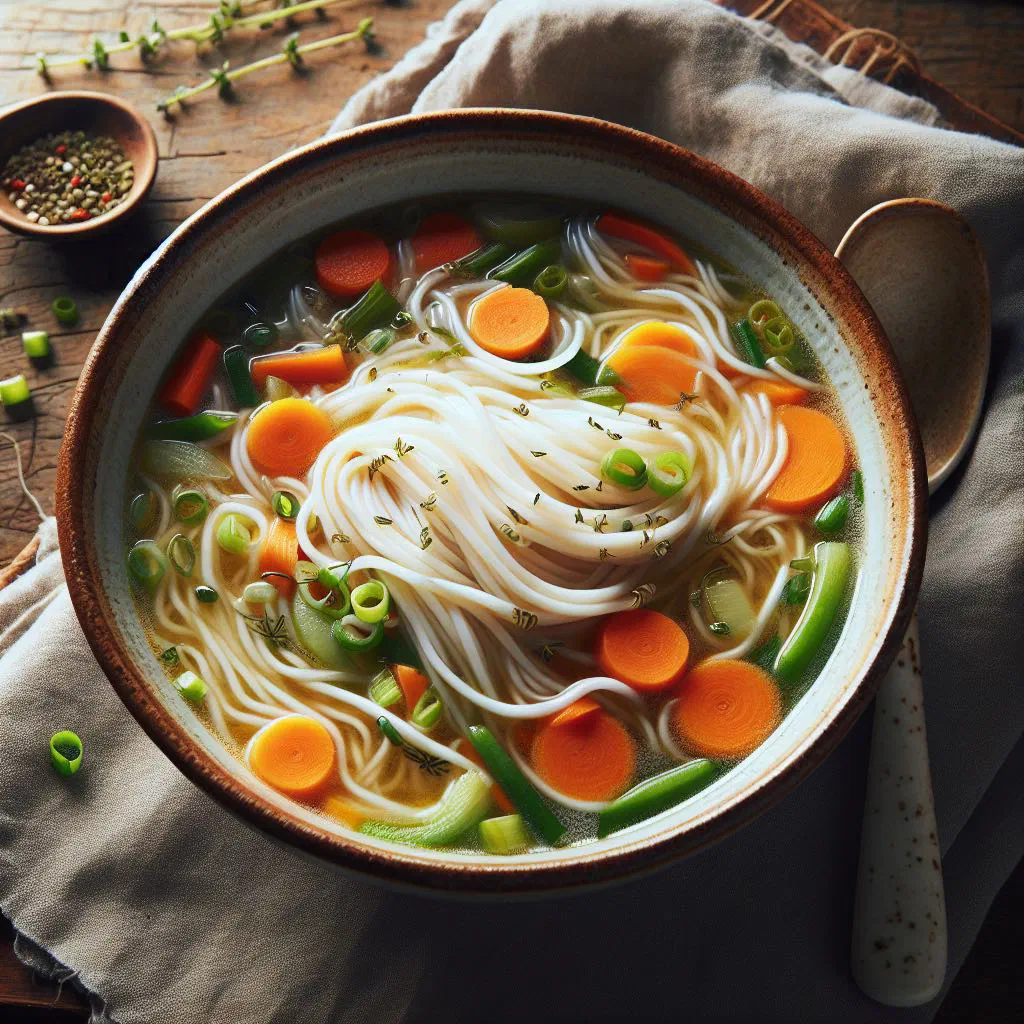
A good presentation can lift the whole eating experience considerably. Serve the thukpa in deep, attractive bowls and garnish with fresh coriander, or even a little lime juice for a final flourish. Consider arranging the noodles artfully in the centre of the bowl to create an eye-catching look. A few chilli flakes scattered over the top add heat and a pleasing splash of colour.
A bit of history
Thukpa has a history deeply rooted in Tibetan and Nepalese culture. It was originally prized by nomadic peoples as an energy-rich meal. The many regional variations came about through the influence of different cultures and the ingredients available to them. Today thukpa is a much-loved street food across Nepal, alongside classics like Momo, and it has won over food lovers and enthusiasts around the world who cherish the warmth and flavour of this dish. It is a fine example of the comforting soups at the heart of Nepalese cuisine.
More recipe ideas
Summary: Thukpa
Thukpa is a warm and hearty dish that holds a special place in Nepalese cooking. With its flexibility and the freedom to use all sorts of ingredients, it is easily adapted to different dietary needs. Thukpa offers a rich flavour experience that will pleasure your guests. Give it a go and bring a touch of Nepalese culture into your own kitchen.