National Dish New Zealand: Buttered Kumara (Recipe)
In this article
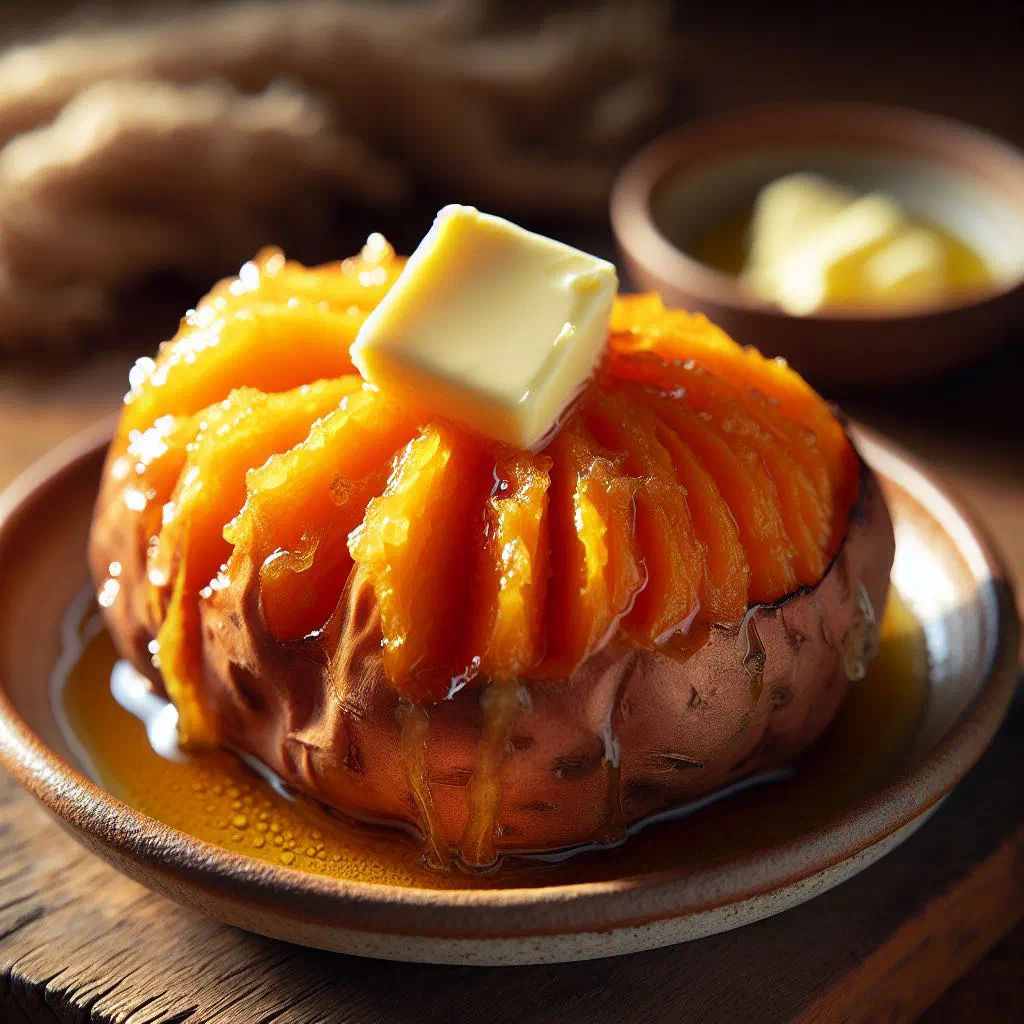
Few dishes capture the warmth of a New Zealand kitchen quite like Buttered Kumara. Made from the country’s beloved sweet potato, it turns a humble root vegetable into something quietly luxurious: soft, faintly sweet flesh mingling with rich, melting butter and a generous crack of black pepper. It takes barely half an hour, asks almost nothing of the cook, and works as happily beside a Sunday roast as it does on its own with a fork and a comfortable chair.
About Buttered Kumara
Buttered Kumara is a traditional New Zealand dish built around the sweet potato known locally as kumara. This root vegetable has a rich, mellow flavour and is prized for how easily it slips into all manner of recipes. The pairing of gently sweet kumara with softly melted butter creates a taste that is hard to beat. Whether it appears as a side to a meat dish or takes centre stage as a light main, buttered kumara wins people over through sheer simplicity and pleasure.
Ingredients (serves 1–2)
- 2 medium kumara
- 2 tablespoons butter
- Salt and pepper, to taste
- Fresh herbs (parsley or thyme, for example), to garnish
Shopping for the ingredients
To make the dish well, it pays to choose the freshest ingredients you can find. Kumara is stocked by most supermarkets and greengrocers, though quality varies more than you might expect. Look for a smooth, unblemished skin and a firm texture with no soft spots. The butter matters just as much, pick a good-quality, real butter for the fullest flavour, since there is nowhere for a poor one to hide in a recipe this pared back.
Preparing the dish
Getting buttered kumara ready is straightforward and takes very little time. Start by scrubbing the kumara thoroughly to remove any soil and grit. Peel them next, then cut them into evenly sized pieces so they cook through at the same rate. The size of the pieces is up to you: smaller chunks break down into something creamier, larger ones keep a pleasantly chunky bite.
Step-by-step instructions
- Add the peeled kumara to a pan of boiling water.
- Cook for roughly 15–20 minutes, until tender all the way through.
- Drain well and tip the kumara into a bowl.
- Add the butter and mix thoroughly until it has melted completely.
- Season to taste with salt and pepper.
- Garnish with fresh herbs as you like and serve.
Gluten-free / lactose-free version
Happily, buttered kumara is naturally gluten-free, which makes it an easy choice for anyone with particular dietary needs. If you would rather avoid dairy, simply swap the butter for a good plant-based alternative. The flavour holds up beautifully and the dish stays every bit as wholesome and satisfying. Combine the ingredients exactly as you normally would for the best result.
Tips for vegans and vegetarians
Adapting buttered kumara for a vegan table could hardly be simpler. In place of butter, reach for a plant-based margarine or even mashed avocado, which brings its own silkiness to the mix. Scattering over toasted nuts or seeds adds a nutty note that is both vegan-friendly and genuinely delicious. As with any recipe, feel free to be creative and use alternative ingredients to suit your own preferences.
More tips and tricks
A few small tricks will push buttered kumara further still. Try giving the kumara a brief turn on a hot griddle before boiling to draw out some roasted, caramelised notes. A squeeze of lemon juice at the end also works wonders, sharpening and lifting the flavours. These modest additions often make the biggest difference, turning a simple side into something people ask about, much as the humble Kumara Chips reward a little extra attention.
Adapting the recipe to your taste
Everyone has their own view on flavour and texture. Finely chopped herbs such as rosemary or oregano fold in easily and shift the character of the dish. The ratio of butter to kumara can be adjusted as well: less butter gives a lighter result, while more delivers something distinctly indulgent.
Ingredient substitutions
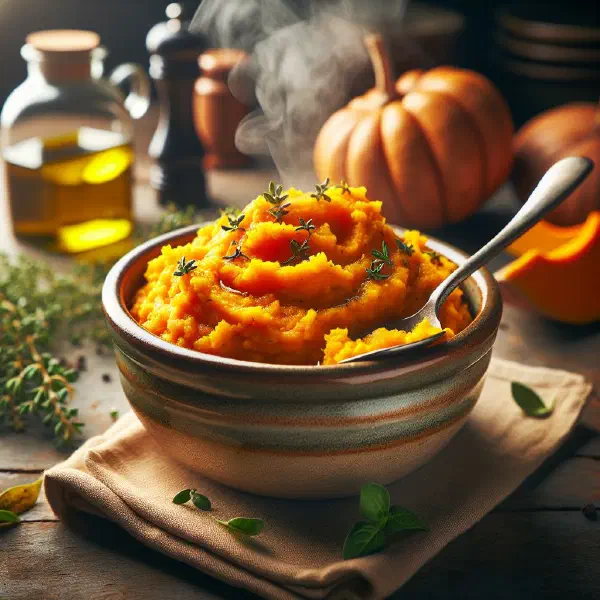
If kumara is nowhere to be found, or you simply fancy a change, other root vegetables are well worth exploring. Ordinary sweet potatoes, pumpkin or even carrots all make interesting stand-ins, the same logic behind a Pumpkin and Kumara Mash. You could also trade the butter for another fat such as coconut oil or olive oil, opening up different flavours and a lighter approach. There is really no limit to the variations.
Drink pairing ideas
To round out buttered kumara, choose drinks that play up the vegetable’s natural sweetness. A glass of dry white wine, Sauvignon Blanc above all, is a near-perfect match. For something without alcohol, a fresh ginger tea or a lightly sweetened iced tea does the job nicely. Either way, the meal stays balanced and inviting from first bite to last.
Serving and presentation ideas
Presentation matters if you want the dish to look as good as it tastes. Serve the buttered kumara in an attractive bowl and finish it with a scattering of fresh herbs or a neat slice of lemon. Spooning it onto a large platter framed by a colourful salad, a Watercress Salad works beautifully, makes for a striking spread. Remember that we eat with our eyes first, so let your imagination off the leash.
A bit of history
Kumara has its roots with the Māori people of New Zealand and has been valued as a staple food for centuries. It is not only nourishing but culturally significant, which is what makes buttered kumara something of a symbol of New Zealand hospitality. In many families the recipe is handed down through the generations, deepening its historical and cultural weight. Sharing a meal built around buttered kumara keeps that connection to the country’s past very much alive, alongside enduring classics of New Zealand cuisine such as the earth-oven Hangi.
More recipe ideas
Summary: Buttered Kumara
In short, buttered kumara is a dish that pleases the palate and steadies the soul in equal measure. Its clear, uncomplicated method adapts readily to all sorts of diets, offering an excellent way to rediscover traditional New Zealand flavours. It is essential eating for anyone curious about the varied and thoroughly tasty cooking of Aotearoa. Give it a go and let the many possible variations inspire you.