National Dish New Zealand: Caramelised Pineapple Upside-Down Cake (Recipe)
In this article
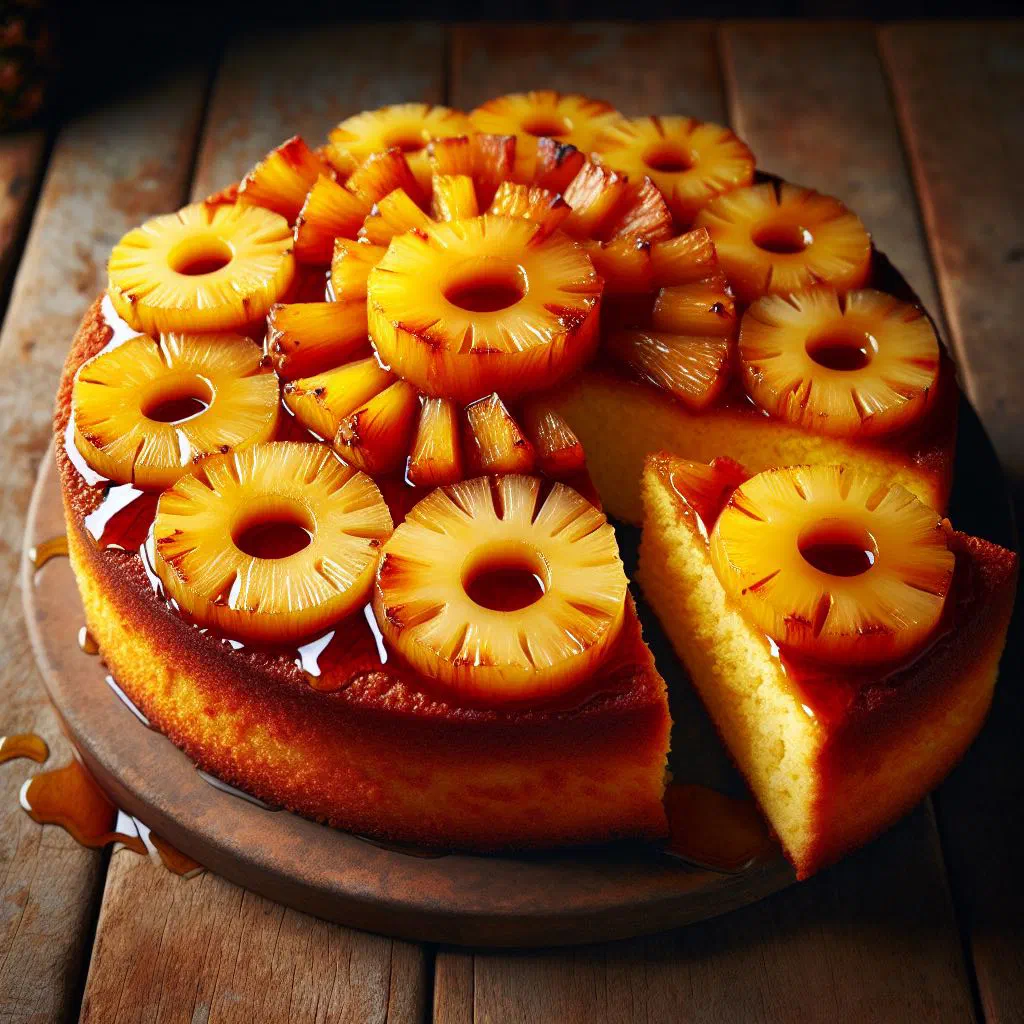
Few bakes turn heads quite like a Caramelised Pineapple Upside-Down Cake. Golden rings of fruit sit glistening under a sticky caramel glaze, with a light, buttery sponge hiding underneath until the moment you turn the tin over. It is a much-loved fixture of New Zealand baking, cheerful, tropical and surprisingly simple to put together at home.
About Caramelised Pineapple Upside-Down Cake
The Caramelised Pineapple Upside-Down Cake is a genuine classic of the New Zealand kitchen. What makes it work is the balance between juicy pineapple and a tender, airy sponge, with the caramelised sugar topping tying the two together. As the cake bakes, that caramel sinks into the fruit and forms a glossy golden crust. Every slice carries a hint of the tropics, and it sits happily alongside other beloved fruit-led bakes such as Feijoa Cake.
Ingredients (serves 1–2)
- 1 fresh pineapple
- 100 g sugar
- 50 g butter
- 1 egg
- 100 g plain flour
- 1 teaspoon baking powder
- A pinch of salt
- 100 ml milk
Shopping for the ingredients
For the best results you want fresh ingredients throughout. Choose a ripe, fragrant pineapple. It has a direct bearing on how sweet and juicy the finished cake turns out. Pick up good-quality butter and fresh eggs too, since both do a lot of the work in the batter. A decent plain flour helps the sponge rise light and gives it that soft, even crumb.
Preparing the dish
Slice the pineapple into even rings and cut away the tough core so that every mouthful is sweet rather than fibrous. If you are scaling the cake up or down, adjust the amount of fruit accordingly. Grease the tin generously as well. This is what allows the cake to drop out cleanly when you turn it over.
Step-by-step instructions
- Preheat the oven to 180°C and grease a springform tin.
- Melt the butter in a frying pan, add the sugar and stir until it has dissolved.
- Add the pineapple pieces and let them caramelise until lightly golden brown.
- Arrange the pineapple in the tin and spread the caramel sauce evenly over it.
- In a bowl, beat butter and sugar until creamy, then add the egg and mix well.
- Combine the dry ingredients (flour, baking powder, salt) and add them alternately with the milk.
- Pour the batter carefully over the pineapple in the tin.
- Bake in the preheated oven for 25–30 minutes, until the sponge is golden brown.
- Take the cake out and let it cool for a few minutes before turning it out.
Gluten-free / lactose-free version
For a gluten-free version, simply swap the wheat flour for a gluten-free blend, almond or rice flour both work nicely here. To make it lactose-free, use lactose-free butter and milk in the same quantities. Neither change costs you anything in flavour, and the tropical character of the original comes through just as clearly.
Tips for vegans and vegetarians
To bake a vegan version, replace the egg with a flaxseed egg or a few spoonfuls of apple purée. Plant-based margarine stands in for the butter, and oat or almond drink works well in place of the milk. These small swaps let you enjoy the cake without giving up any of its richness. Where you can, choose organic pineapple, the fruit is the star, so quality shows.
More tips and tricks
For an extra-moist cake, marinate the pineapple briefly beforehand in a splash of rum or vanilla extract. That extra aroma sits beautifully against the sweetness of the fruit. Another trick is to brush the finished cake with a light glaze once it has cooled slightly, which gives it a lovely sheen and deepens the flavour with every bite.
Adapting the recipe to your taste
This cake takes very well to personal tweaks. Fold nuts or dried fruit into the batter for extra texture, or add warming spices such as cinnamon or nutmeg, which pair naturally with pineapple. Experiment with combinations until you land on your own favourite version, baking rewards curiosity, and there are no hard rules here.
Ingredient substitutions
If fresh pineapple is not to hand, tinned pineapple or pineapple juice will do the job, though you may want to adjust for the extra sweetness and moisture. Other fruits work too: mango or peaches both make excellent alternatives, each bringing its own aroma, much as the tang of fruit lifts a Feijoa Crumble. Substitutions like these keep the recipe useful all year round.
Drink pairing ideas
A chilled iced tea or a fruity cocktail makes a fine partner for this cake. A classic piña colada echoes the tropical notes of the pineapple almost perfectly. For something alcohol-free, try a sparkling mint and lime cooler, or the famous New Zealand soft drink Lemon and Paeroa. Any of these keep the mood light and summery.
Serving and presentation ideas
Presentation makes a real difference with an upside-down cake. Serve it on an elegant cake stand and garnish with fresh mint leaves or a spoonful of whipped cream. A few extra pineapple pieces scattered on the dessert plate make the whole thing look more inviting. Do not forget to drizzle over any remaining caramel sauce for that final glossy flourish.
A bit of history
The Caramelised Pineapple Upside-Down Cake became a fixture in New Zealand kitchens around the middle of the twentieth century, when tinned and imported pineapple first became widely available. The cake reflects the country’s easy access to fresh, sunny produce and its long love of home baking. Today it appears at celebrations and family gatherings alike, sitting comfortably in the same tradition of New Zealand cuisine as Pavlova.
More recipe ideas
Summary: Caramelised Pineapple Upside-Down Cake
The Caramelised Pineapple Upside-Down Cake is more than a good pudding. It is a small expression of New Zealand’s baking tradition. With everyday ingredients and a relaxed, forgiving method, you can turn one out in your own kitchen without any fuss. Let it tempt you into the kitchen and give it a go; you and your guests will be glad you did. Enjoy every bite, and bring a little piece of New Zealand home with you.