National Dish New Zealand: Corned Beef with Mustard Sauce (Recipe)
In this article
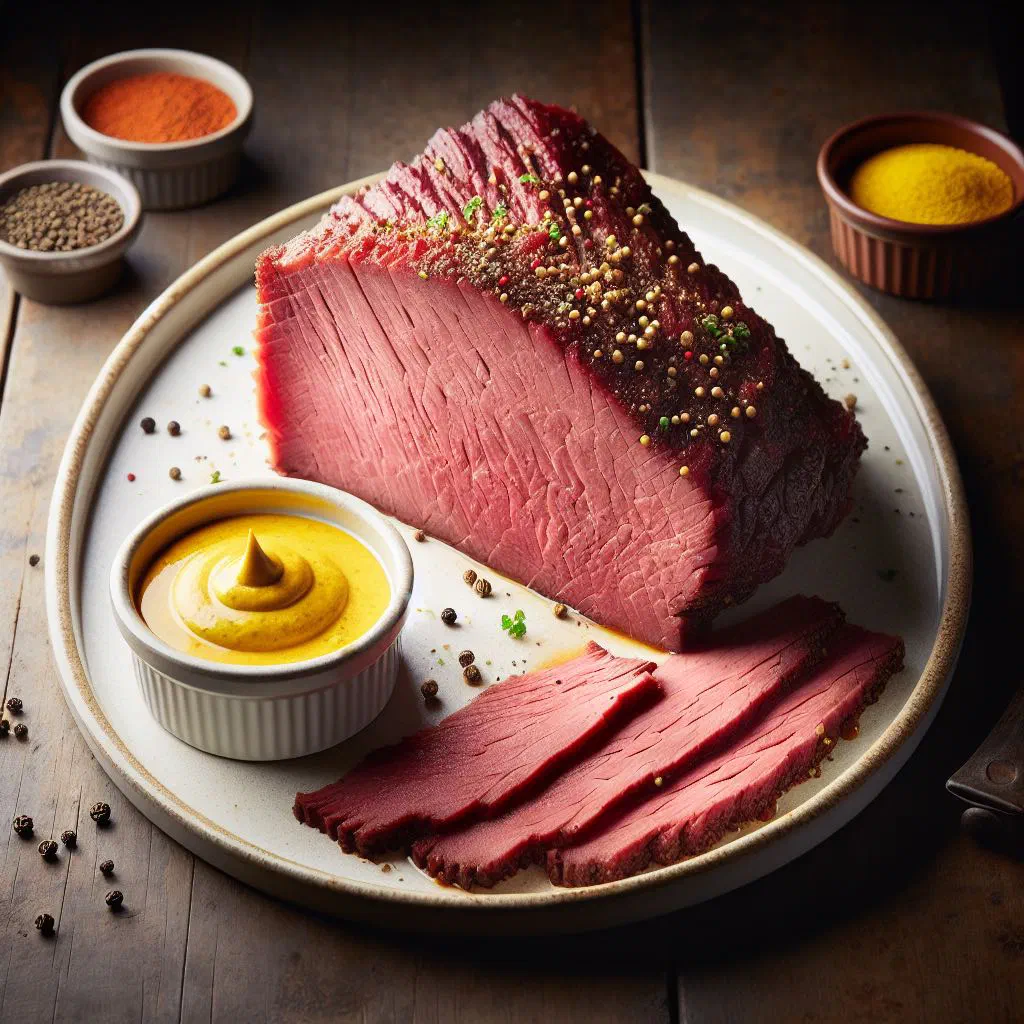
Few dishes say Sunday lunch in a Kiwi kitchen quite like corned beef with mustard sauce. Slow-simmered salt beef turns meltingly tender, then meets a warm, creamy sauce sharpened with mustard and rounded off with a spoonful of honey. It is hearty, generous food, equally at home on a weeknight table or at a family celebration, and far simpler to make than the long cooking time suggests.
About Corned Beef with Mustard Sauce
Corned beef with mustard sauce is a wonderful showcase for New Zealand home cooking. It brings together tender salt-cured beef and a tangy, creamy mustard sauce that ties the whole plate together. The dish is nourishing as well as satisfying, and it turns up regularly at festive gatherings up and down the country. Best of all, it is genuinely straightforward to prepare, which is why so many households keep it in the regular rotation.
Ingredients (serves 1–2)
- 300 g corned beef
- 2 tablespoons Dijon mustard
- 2 tablespoons honey
- 150 ml cream
- 1 tablespoon mustard seeds
- Salt and pepper to taste
- Fresh chives, to garnish
Shopping for the ingredients
When shopping for this dish, it pays to choose good-quality corned beef. Most supermarkets sell ready-cured beef, which saves you the brining stage entirely. Look for a mustard made with natural ingredients and no artificial additives, the flavour difference in the sauce is noticeable. Fresh cream gives the sauce its ideal consistency and rounds off the dish perfectly.
Preparing the dish
Careful preparation of the ingredients makes all the difference here. Take the corned beef out of its packaging first and let it come up to room temperature, which helps the meat cook evenly all the way through. Then get everything for the mustard sauce ready to hand and set out the pans and utensils you will need before you start.
Step-by-step instructions
- Bring the corned beef to the boil in a pan of salted water, then simmer gently over low heat for about 2–3 hours.
- While the meat cooks, make the mustard sauce by whisking the mustard, honey and cream together in a small pan.
- Warm the sauce over low heat and stir in the mustard seeds. Mix well and season with salt and pepper.
- Lift the cooked corned beef out of the water, let it drain, then carve it into slices.
- Arrange the beef on a plate, spoon the mustard sauce over the top, garnish with fresh chives and serve.
Gluten-free / lactose-free version
For a gluten-free and lactose-free version, use a certified gluten-free mustard and lactose-free cream. Do check that the remaining ingredients are gluten-free too, so there is no risk of cross-contamination, after that, nothing stands between you and a proper plateful.
Tips for vegans and vegetarians
There are some clever ways to adapt this recipe for vegetarians and vegans. Replace the corned beef with smoked tofu or jackfruit, both of which give a comparable texture and take on seasoning beautifully. The sauce is easily veganised by using a plant-based cream in place of dairy. With those changes, everyone at the table can share the same meal, much like a plant-forward Vegetable Soup.
More tips and tricks
A few small tricks lift this dish considerably. Marinating the corned beef beforehand deepens the flavour, while cooking it slowly in a slow cooker makes the meat exceptionally tender. It is also worth experimenting with different mustards, wholegrain, English or a mild yellow, to give the sauce your own signature. Keep the simmer gentle: a hard boil toughens the beef.
Adapting the recipe to your taste
This recipe is remarkably adaptable. If you like a bit of heat, add more mustard or a pinch of chilli. For a sweeter, mellower sauce, stir in extra honey or a little maple syrup. Serving it alongside Buttered Kumara or a simple Potato Gratin turns it into a full Sunday spread.
Ingredient substitutions
If you do not have everything to hand, there are easy alternatives. In place of double cream, a plant-based cream such as coconut milk works well. If Dijon mustard is unavailable, a milder variety will do the job with less bite. And if fresh chives are nowhere to be found, other herbs such as parsley or coriander make a fine garnish.
Drink pairing ideas
Several drinks pair beautifully with corned beef and mustard sauce. A full-bodied red wine such as a Cabernet Sauvignon stands up nicely to the savoury meat. Alternatively, a freshly poured IPA provides a refreshing, hoppy counterpoint. Non-alcoholic options such as apple juice or a homemade lemonade work just as well and keep the meal light.
Serving and presentation ideas
Presentation adds a great deal to the experience. Serve the corned beef on a rustic wooden board for a relaxed, country-kitchen feel. Fresh herbs such as chives or parsley bring colour and a sense of freshness to the plate. A thoughtful arrangement makes the dish look every bit as appetising as it tastes, and a warm loaf of Rewena Bread on the side completes the picture.
A bit of history
Corned beef has a long history in New Zealand and is closely bound up with the country’s cultural identity. The tradition of curing beef in brine arrived with Irish settlers, who did much to popularise the dish. Over the decades the recipe evolved into a national staple, often associated with celebrations and family occasions. Within New Zealand cuisine, corned beef with mustard sauce is more than a meal. It is a symbol of Kiwi hospitality and tradition.
More recipe ideas
Summary: Corned Beef with Mustard Sauce
In short, corned beef with mustard sauce is a hearty yet refined dish that brings tradition and flavour together on one plate. It suits family dinners and festive occasions alike, and it adapts readily to personal taste. Thanks to the simple method and the many possible variations, meat lovers, vegetarians and vegans can all find a version to enjoy. Let this New Zealand classic inspire you and taste a piece of Kiwi culture for yourself.