National Dish New Zealand: Toheroa Soup (Recipe)
In this article
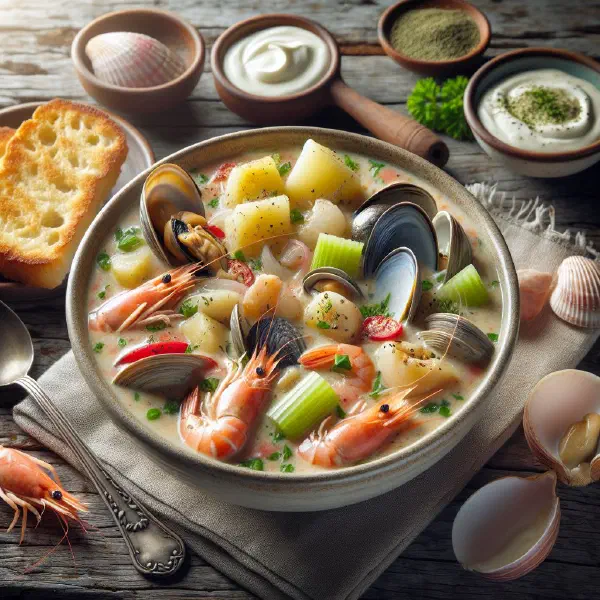
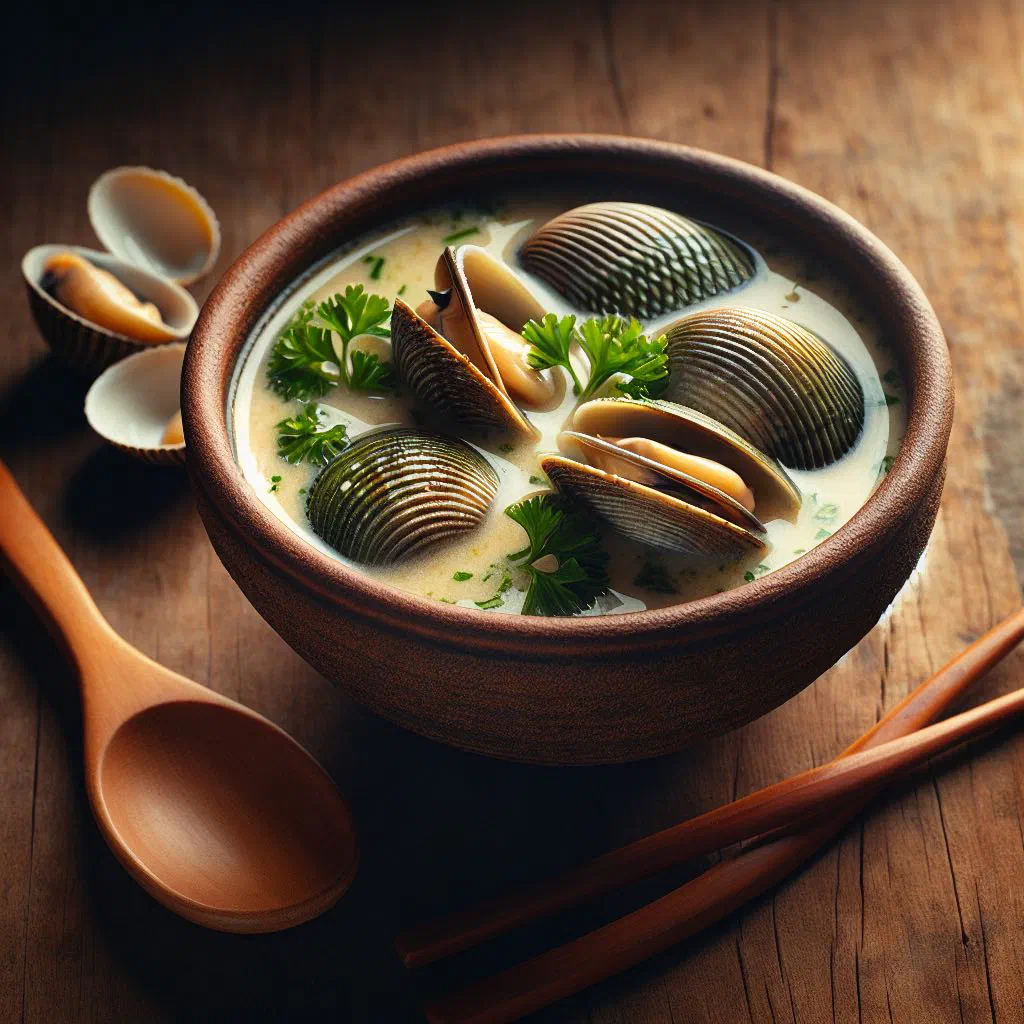
Few dishes carry as much of New Zealand’s coastline in a single spoonful as toheroa soup. Made from the prized shellfish that burrow into the wild surf beaches of the North Island, it is delicate, briny and quietly luxurious. The recipe below keeps things simple, good stock, soft potatoes, plenty of thyme, so the shellfish itself stays centre stage. It is the kind of soup that tastes of salt air and long summer evenings by the sea.
About Toheroa Soup
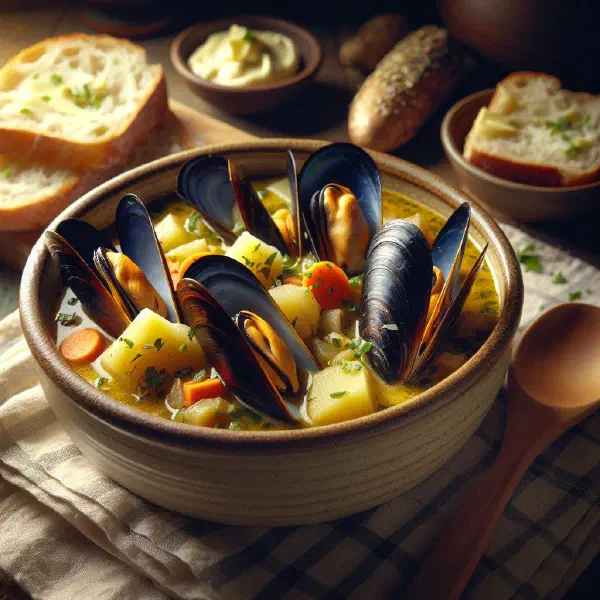
Toheroa soup is a genuinely singular dish, rooted deep in New Zealand culture. It is built around the toheroa clams native to the country’s surf beaches, shellfish with a tender, delicate flavour that is hard to compare to anything else. Variations are as varied as the New Zealand landscape itself, and every version tells its own story of tradition and regional influence. Alongside classics such as Mussel Chowder, it stands among the finest seafood soups the country has to offer.
Ingredients (serves 1–2)
- 200g fresh toheroa clams
- 500ml fish stock
- 1 onion, finely chopped
- 2 cloves of garlic, chopped
- 2 potatoes, diced
- 1 teaspoon thyme
- Salt and pepper to taste
- Fresh parsley, to garnish
Shopping for the ingredients
When shopping for toheroa soup, make sure the toheroa clams are fresh and of good quality. They are not always easy to track down, but local markets and specialist fishmongers often carry fresh shellfish. Check that the shells are tightly closed, a reliable sign of freshness. The remaining ingredients, such as onions and potatoes, are available in any well-stocked supermarket or health food shop.
Preparing the dish
Preparing toheroa soup is straightforward and rather enjoyable. Begin by rinsing the clams thoroughly under running water to remove any sand and grit. Finely chop the onion and garlic while you cut the potatoes into small dice. These basic steps matter more than they might seem: they let the flavours of the soup come through properly and keep the cooking itself quick and unhurried.
Step-by-step instructions
- Heat a little oil in a pan and sweat the onion and garlic until golden brown.
- Add the diced potatoes and stir them through well.
- Pour in the fish stock and bring the mixture to the boil.
- Reduce the heat and let the soup simmer for around 15 minutes, until the potatoes are soft.
- Add the toheroa clams and cook for a further 5–7 minutes, until the shells have opened.
- Season with salt, pepper and thyme to taste, then garnish with fresh parsley.
Gluten-free / lactose-free version
Toheroa soup is easy to make gluten-free and lactose-free. Simply use a gluten-free fish stock, now widely stocked in supermarkets. The other ingredients, onions, garlic and potatoes, are naturally lactose-free in any case. These small adjustments make the dish accessible to anyone with particular dietary needs, without losing an ounce of its flavour.
Tips for vegans and vegetarians
Although traditional toheroa soup is built on seafood, there are creative ways to adapt it for vegan and vegetarian cooks. Replace the clams with fried mushrooms or tofu to achieve a satisfying, meaty texture, and swap the fish stock for a good vegetable stock to keep the depth of flavour. Handled this way the soup remains every bit as tasty and nourishing, with no animal products at all, much like a hearty Vegetable Soup.
More tips and tricks
To get the very best from your toheroa soup, add fresh herbs and spices according to your own taste. Thyme, parsley and even a squeeze of lemon juice can lift the aromas considerably. You might also experiment with different vegetables to bring extra flavour and colour to the pot. A few fried prawns or mussels scattered over the top make a fine finishing touch.
Adapting the recipe to your taste
Tailoring toheroa soup to your own preferences could hardly be easier. If you like a bit of heat, add chilli flakes or fresh coriander for an extra kick. Adding more potatoes or some pumpkin will change both the texture and the flavour, the same comforting sweetness that carries a Kumara Soup. Try different stocks and seasonings until you land on the version that suits you best.
Ingredient substitutions
If the essential ingredients for toheroa soup are hard to come by, there are plenty of alternatives. Other clam varieties that are easier to source work perfectly well in place of fresh toheroa. For a plant-based option, konjac noodles or a spoonful of curry sauce will add body and flavour. Substitutions like these let you adapt the recipe to whatever your store cupboard holds, without giving up the delicious result.
Drink pairing ideas
A great many drinks go beautifully with a well-made toheroa soup. A dry white wine such as a Sauvignon Blanc complements the seafood particularly well. Alternatively, a well-chilled beer serves nicely without overpowering the flavours of the soup. For something alcohol-free, a sparkling ginger and lemon drink makes an excellent partner.
Serving and presentation ideas
Presentation can lift the whole toheroa soup experience. Serve it in deep, attractively finished bowls, garnished with fresh parsley and a squeeze of lemon. A few slices of crisp toast or torn pieces of baguette add welcome texture, and a plate of Whitebait Fritters alongside turns a simple bowl into a proper coastal spread.
A bit of history
The story of toheroa soup reaches deep into the culture of the Māori, the original inhabitants of New Zealand. The clams were traditionally an important food source, gathered by Māori communities along the coast. Over the years the dish became a symbol of New Zealand cookery and cultural heritage, and today the soup is valued in home kitchens and restaurants alike, a cornerstone of New Zealand cuisine.
More recipe ideas
Summary: Toheroa Soup
Toheroa soup is a flavourful, tradition-rich dish that forms part of New Zealand’s culinary heritage. It is simple to make and endlessly adaptable to individual tastes. With fresh ingredients and an honest, unfussy method, you get a genuinely unique eating experience. More than a treat for the palate, this soup is a lovely piece of New Zealand history, and one well worth discovering.