National Dish Nicaragua: Pan de Coco (Recipe)
In this article
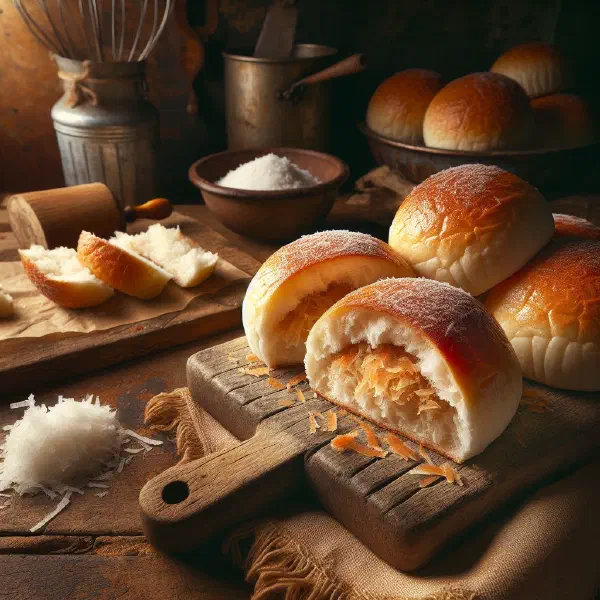
Say hello to Pan de Coco, Nicaragua’s beloved coconut bread. Soft, gently sweet and fragrant with coconut, it carries the warmth of the Caribbean coast in every bite. Nicaraguans reach for it at breakfast, tuck it into a lunchbox or tear off a piece mid-afternoon with a cup of coffee. Best of all, it asks very little of you, a bowl, a whisk and half an hour in the oven is all it takes to bring tropical sunshine into your kitchen.
About Pan de Coco
Pan de Coco is a traditional Nicaraguan coconut bread that wins people over with both its unmistakable flavour and its sheer usefulness. In Nicaragua it appears at the breakfast table or as an afternoon snack, which makes it a genuine favourite among locals. The pairing of fresh coconut, sugar and a lightly fluffy crumb creates a taste that conjures up the sunlit beaches of the Caribbean. Because it is so straightforward to make, this recipe is a perfect first step into Nicaraguan cooking.
Ingredients (serves 1–2)
- 200 g desiccated coconut
- 250 g plain flour
- 100 g sugar
- 200 ml coconut milk
- 1 egg
- 1 tsp baking powder
- 1 pinch of salt
Shopping for the ingredients
The ingredients for pan de coco are easy to find in most supermarkets or Asian grocers. Desiccated coconut and coconut milk are the essentials here. They are what keep the bread moist and full of flavour. If you come across fresh coconuts, use them for a deeper, more resonant coconut character. Where you can, choose organic coconut milk and coconut flakes; the difference in taste is noticeable and well worth the small extra cost.
Preparing the dish
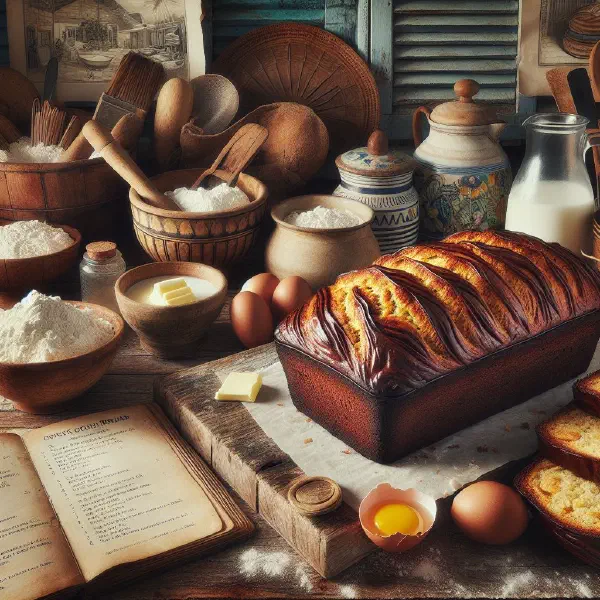
Before you begin, set out all your ingredients and preheat the oven to 180°C. A properly preheated oven gives you the even baking temperature that the crumb depends on. Grease your baking tin lightly so the loaf lifts out cleanly once it has finished baking. Good preparation is the key to a good result, and it makes the whole process a far more relaxed affair.
Step-by-step instructions
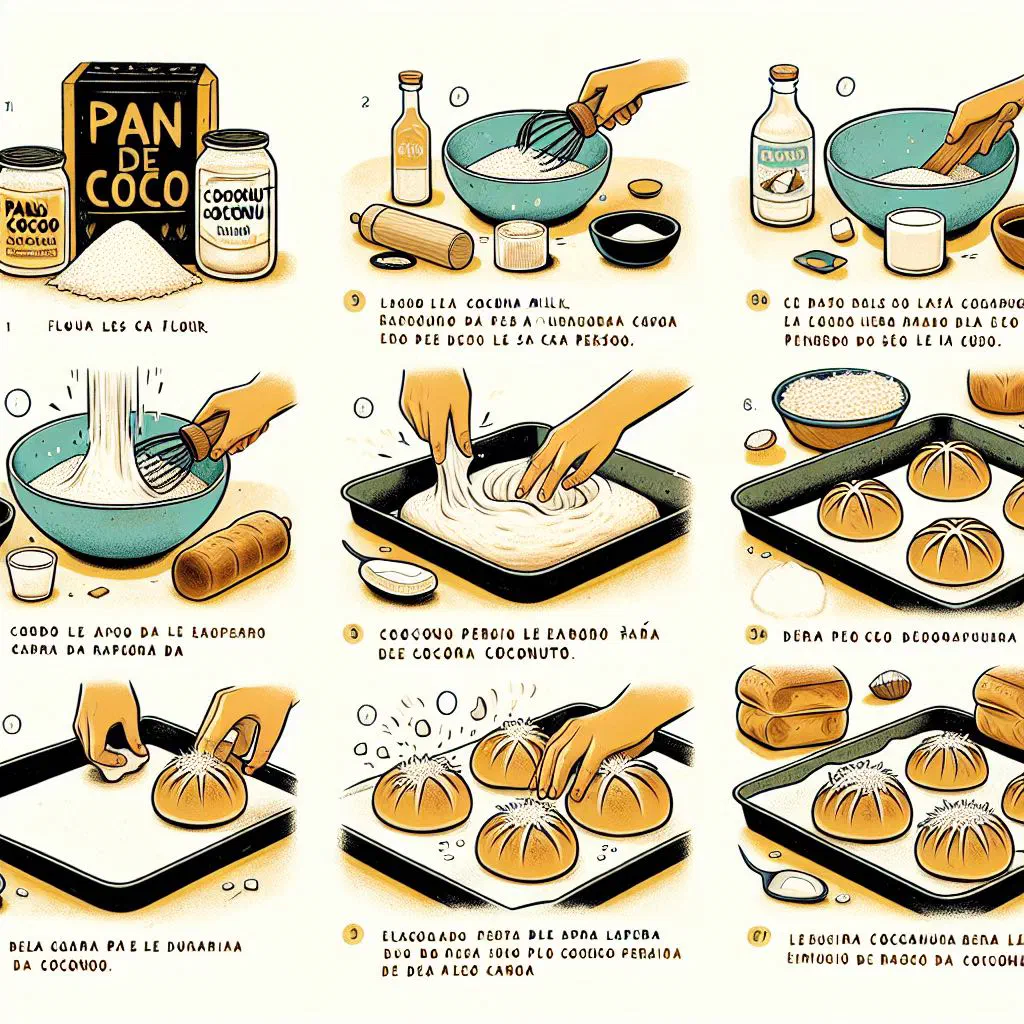
- Combine the dry ingredients — flour, sugar, baking powder and salt — thoroughly in a bowl.
- In a separate bowl, whisk together the wet ingredients: the coconut milk and the egg.
- Add the wet ingredients to the dry ones a little at a time, mixing well as you go.
- Fold in the desiccated coconut until it is evenly distributed through the batter.
- Pour the batter into the prepared tin and smooth the top.
- Bake for roughly 25–30 minutes, until golden brown and cooked through.
- Turn the loaf out of the tin and leave it to cool on a wire rack.
Gluten-free / lactose-free version
For a gluten-free version, use rice flour or ground almonds in place of wheat flour. Both give a pleasant texture and let the coconut flavour come forward beautifully. Pan de coco is naturally lactose-free as long as your coconut milk contains no dairy, always worth a glance at the label. Check your other ingredients too, particularly the baking powder, to keep the whole loaf suitable for anyone avoiding gluten or lactose.
Tips for vegans and vegetarians
Egg substitutes are in high demand these days, and pan de coco takes to them readily. A flax egg, ground linseed mixed with water and left to thicken, binds the batter much as a real egg does. You can also swap the sugar for agave syrup or coconut blossom sugar to keep the bake fully vegan. With those small changes, everyone at the table gets to enjoy this coconut bread.
More tips and tricks
To ring the changes, try folding toasted nuts or dried fruit into the batter. They add complexity and a welcome bit of bite. The batter also freezes well, so you can prepare it ahead and have breakfast or a snack ready whenever you need one. Serving the bread still warm with a dusting of cinnamon or icing sugar rounds off the experience perfectly.
Adapting the recipe to your taste
Pan de coco is remarkably accommodating, so feel free to adjust the ingredients or their quantities as you like. Cut back on the sugar if you prefer a less sweet loaf, or experiment with different grades of coconut to shift the character of the bread. Bear in mind that swapping ingredients does change the outcome, so try a few combinations until you land on your own ideal mix. Baking times vary between ovens too. Keep an eye on the loaf towards the end.
Ingredient substitutions
If you find yourself short of something, there are plenty of workable alternatives. Almond milk or oat milk can stand in for coconut milk and sit well alongside the other ingredients, much as they would in a Cajeta de Coco. The desiccated coconut can be partly replaced with nut flours for a different flavour profile. Here again it pays to experiment until you have created the pan de coco that suits you best.
Drink pairing ideas
Several drinks pair beautifully with pan de coco. A freshly brewed coffee or an aromatic tea sits in lovely harmony with the coconut. For something sweeter, consider freshly squeezed orange juice, a tropical fruit smoothie or a chilled Zumo de Maracuya. Drinks like these underline the Caribbean note of the bread and complete the whole experience.
Serving and presentation ideas
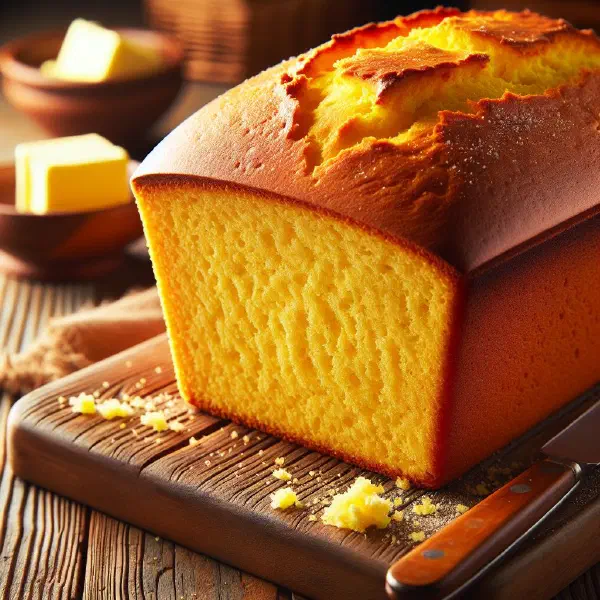
Pan de coco is easy to present attractively. Cut the loaf into thick slices and lay them out on a handsome wooden board. Decorate the board with fresh fruit or a few sprigs of mint for a splash of colour and contrast. A small bowl of honey or jam for dipping adds a final flourish and turns the bread into something that looks as good as it tastes.
A bit of history
Pan de coco has a long history in Nicaraguan cooking, born out of the meeting of several cultures and influences. Coconuts have been central to Caribbean cooking for generations and turn up in countless dishes along the coast. This bread reflects the blending of Nicaraguan and Caribbean traditions and is often served at celebrations and family gatherings, much like the coastal classic Rondon. It is more than a recipe; it is a piece of the cultural identity that runs through Nicaraguan cuisine.
More recipe ideas
Summary: Pan de Coco
Pan de coco is a delicious and versatile bake that holds a special place in Nicaraguan cooking. The combination of fresh coconut and a tender crumb makes it an ideal companion to any breakfast or snack. The sheer range of possible variations and adaptations makes it an exciting recipe for anyone keen on a new culinary adventure. Dive into the tropical flavours of Nicaragua and enjoy this traditional coconut bread to the full.