National Dish Niger: Koko (Recipe)
In this article
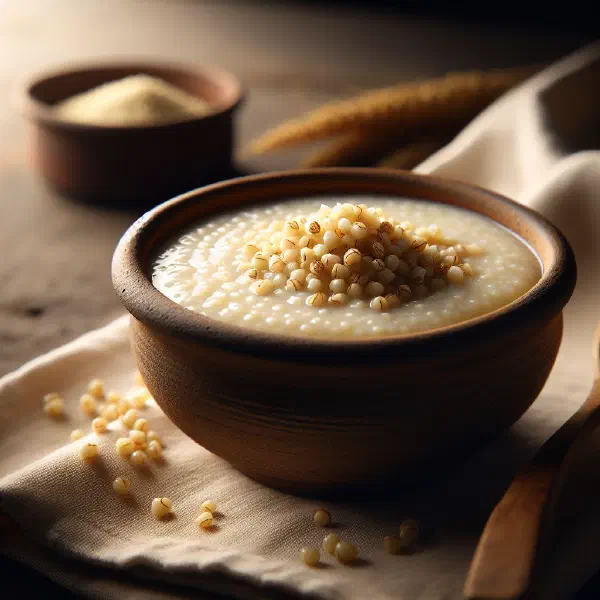
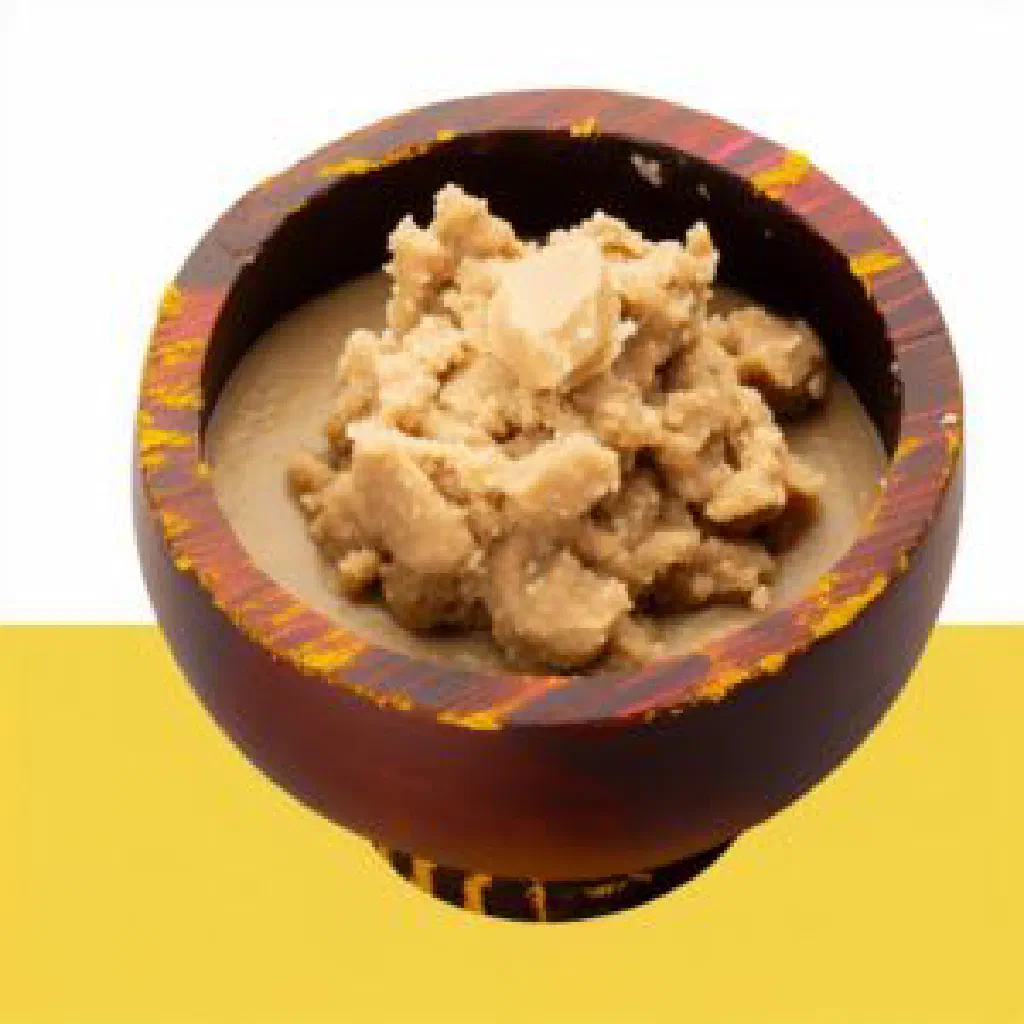
Meet Koko, a comforting millet porridge that ranks among the most cherished foods in Niger. Smooth, warming and gently sweetened, it is the kind of dish that starts the day off right or slips in as a nourishing afternoon snack. Passed down through the generations, Koko celebrates millet, a staple grain of the Sahel, and welcomes an endless array of toppings, from fresh fruit to a spoonful of yoghurt. Simple to make yet deeply satisfying, it brings a taste of Nigerien tradition to your table.
About Koko
Koko is far more than the national dish of Niger; it is a symbolic thread running through the country’s everyday culture. Made from millet, this traditional porridge is enjoyed widely as a breakfast or a light snack. It is prepared according to age-old recipes handed down from one generation to the next, and its nutrient-rich make-up makes it a wonderful choice for all ages. The many accompaniments served alongside it keep every bowl interesting, so the dish never feels the same twice.
Ingredients (serves 1–2)
- 1 cup millet
- 3 cups water
- A pinch of salt
- Sugar or honey, to taste
- Optional accompaniments such as yoghurt or fruit
Shopping for the ingredients
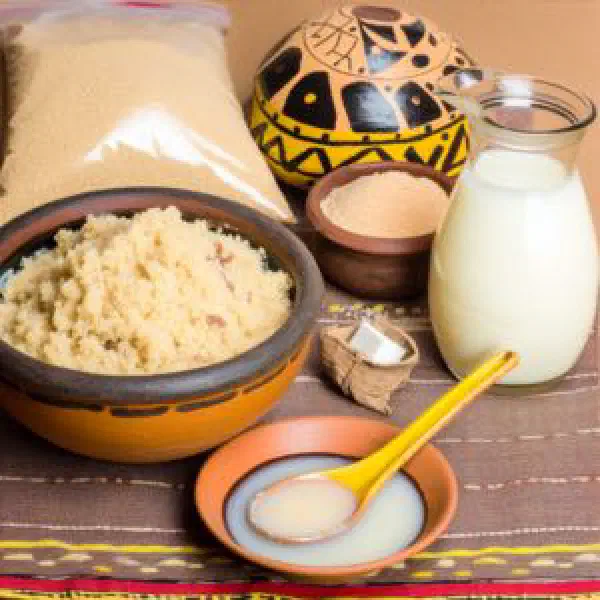
When shopping for Koko, it is worth choosing good-quality millet, as it forms the very foundation of the dish. Look for grain that is fresh and free from any grit or impurities. The accompaniments you pick should be of good quality too, so that the overall flavour experience is at its best. You will find many of these ingredients at local markets or in specialist shops selling West African foods, the same aisles that stock staples for a bowl of La Bouillie.
Preparing the dish
To get the best from Koko, a little preparation goes a long way. First, rinse the millet thoroughly to wash away any dust and grit. You can then soak the grain for around an hour, which helps to shorten the cooking time. Keep in mind that the consistency of the porridge is key to the pleasure of eating it, so allow yourself plenty of time to bring it together at a relaxed pace.
Step-by-step instructions
- Rinse the millet well in a sieve and leave it to drain.
- Bring the water to the boil in a pan and add the millet.
- Return the mixture to the boil, then lower the heat.
- Simmer gently for about 30 minutes, stirring now and then, until the millet is soft.
- Season with a pinch of salt and sweeten with sugar or honey to taste.
- Serve the Koko hot with your favourite accompaniments.
Gluten-free / lactose-free version
Koko is naturally gluten-free and lactose-free, since it is made from millet. That makes it an ideal choice for anyone with particular dietary needs. It is worth making sure that any accompaniments you serve are also free from gluten and lactose, so that everyone can enjoy the dish without a second thought. This way you can share it happily with friends and family around the table.
Tips for vegans and vegetarians
Koko is a superb choice for vegans and vegetarians, as it is built entirely from plant-based ingredients. Reach for plant-based accompaniments such as fresh fruit or dairy-free yoghurt to round it out. These options complement the porridge beautifully and boost its nutritional value. A pinch of spice or a scattering of herbs can lift the flavour even further.
More tips and tricks
A few tips and tricks will help you get creative with Koko. You might try different varieties of millet, for instance, to vary the flavour and the texture. You can also serve the porridge with a whole range of garnishes to make it look even more appealing. Experiment with different combinations and discover which one you like best, much like you would when playing with the spices in a plate of Dambou.
Adapting the recipe to your taste
The lovely thing about Koko is how easily it is adapted. You can vary the sweetness by adding more or less sugar or honey, or even reach for alternative sweeteners. The accompaniments are flexible too; try different fruits or a handful of nuts to shape the dish around your own preferences. The possibilities are all but endless.
Ingredient substitutions
If you have no millet to hand or simply fancy a change, other grains such as gari or buckwheat can offer an interesting alternative. These options are tasty and wholesome. Bear in mind that you may need to adjust the cooking times, as different grains behave in different ways. For a fuller change of pace, a bowl of Fufu makes a satisfying stand-in, the same freedom to be creative while still turning out something delicious.
Drink pairing ideas
Refreshing drinks such as coconut water, fruit juices or even yerba mate pair nicely with Koko. They echo the gentle flavours of the porridge and make for a harmonious meal. Light, fruity drinks are especially good alongside a breakfast or a snack. Experiment with different pairings to find the combination you enjoy most.
Serving and presentation ideas
The presentation of Koko can lift the whole experience. Serve it in a handsome bowl and garnish with fresh fruit or a scattering of nuts. Colourful plates or traditional bowls add to a festive feel too. An inviting presentation turns a simple porridge into something special worth sharing with others.
A bit of history
Koko has a long history, rooted deep in the culture of Niger. The dish reflects the country’s farming traditions, as millet is a staple crop across the region and the wider West African Nigerien cuisine. It has often been served as part of celebrations and weddings, standing for community and togetherness. With every bowl of Koko, old traditions meet modern life.
More recipe ideas
Summary: Koko
Koko is a much-loved and nourishing dish from Niger, winning hearts with its simple preparation and its wide choice of accompaniments. The use of millet makes it a fine option for the health-conscious and a great choice for anyone with particular dietary needs. Its adaptability to personal taste and the wealth of creative possibilities make Koko a genuine treat. Whether for breakfast, lunch or dinner, Koko brings a piece of Nigerien culture straight to your table.