National Dish Niger: Massa (Recipe)
In this article
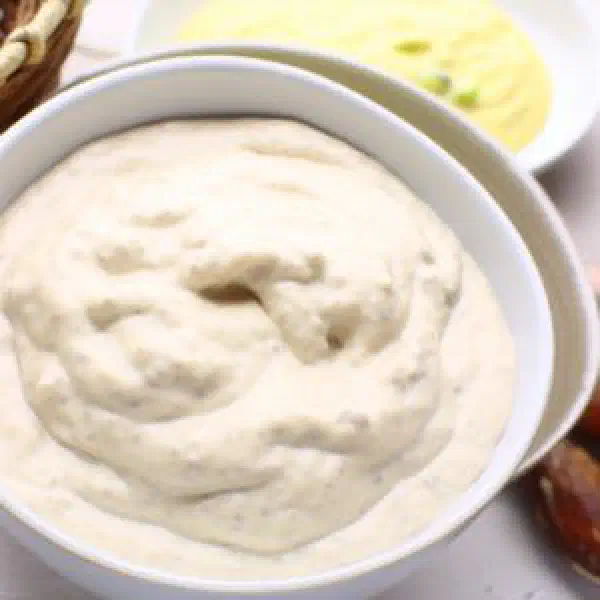
Meet Massa, a comforting porridge that stands at the heart of Niger’s home cooking. Made from humble millet or maize, this nourishing dish delivers plenty of energy and warmth with very little fuss. Its gentle flavour makes it the perfect canvas for whatever accompaniments you fancy, from fresh vegetables to fish or meat. Simple to prepare yet endlessly adaptable, Massa brings families together around the table for a hearty, satisfying meal.
About Massa
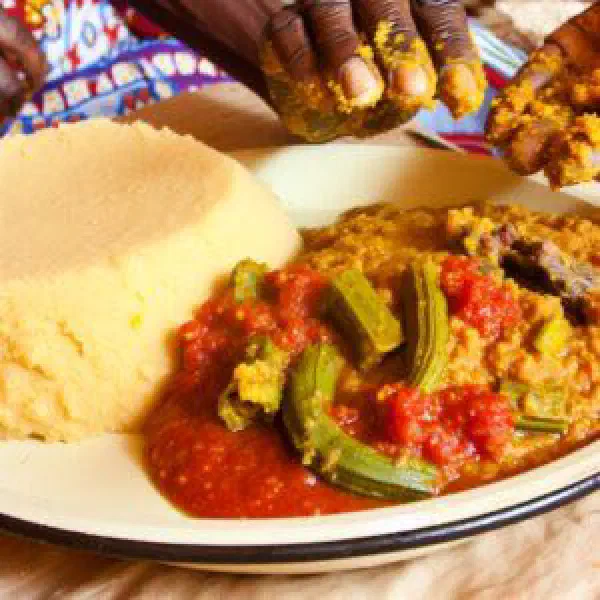
Massa is a traditional dish from Niger that is deeply cherished in homes and communities across the country. This hearty porridge is usually made from millet or maize and is prized for its nourishing, energy-rich qualities. What makes it especially appealing is how straightforward it is to prepare, so anyone can put together a wholesome, savoury meal in no time. Massa is served not only as a main course but is often paired with a variety of sides, making for a wonderfully varied and flavourful experience.
Ingredients (serves 1–2)
- 200 g millet or cornmeal
- 500 ml water
- 1 teaspoon salt
- Accompaniments of your choice (e.g. vegetables, meat, fish)
Shopping for the ingredients
When shopping for the ingredients for Massa, it is worth choosing fresh, good-quality produce to bring out the best flavour. Millet and cornmeal are available in most supermarkets or in African and Asian grocery shops. The choice of accompaniments matters too; seasonal vegetables, for instance, make for an even tastier dish. Think about which sides suit you best so you can make your Massa your own.
Preparing the dish
Preparing Massa is refreshingly straightforward. Start by laying out all your ingredients so the cooking process runs smoothly. If you are using millet, it can help to rinse the grains beforehand and soak them for about an hour to shorten the cooking time. Remember to wash and prepare your accompaniments thoroughly as well, so everything is ready to go the moment the Massa is done.
Step-by-step instructions
- Bring the water to the boil in a pan and add the salt.
- Slowly stir the millet or cornmeal into the boiling water, whisking to avoid lumps.
- Let the porridge simmer, stirring constantly, until it reaches the consistency you want — usually about 10–15 minutes.
- Serve the Massa hot and garnish with vegetables, meat or fish as you like.
Gluten-free / lactose-free version
Massa is particularly well suited to a gluten-free and lactose-free diet, since it is usually based on millet or maize. Do take care, however, that the cornmeal you use has not been cross-contaminated with gluten, especially if you have coeliac disease. The accompaniments are easy to adjust too, simply by choosing fresh vegetables or plant-based protein sources. That way the dish stays both wholesome and delicious.
Tips for vegans and vegetarians
Vegans and vegetarians have excellent scope to vary their Massa. In place of meat you can use tofu or tempeh to add a protein-rich element. Different vegetables such as courgette, peppers or spinach also work beautifully stirred into the porridge. This not only adds extra flavour but gives the dish a colourful, appetising look. A spoonful of Groundnut Sauce alongside makes a hearty, meat-free finish.
More tips and tricks
A few tips and tricks can make preparing Massa considerably easier. For example, using a whisk while stirring the porridge helps you avoid any lumps forming. Massa also keeps well, the porridge can be frozen in portions, so you always have a quick, nourishing meal to hand. Experiment with different spices too, to give your Massa a personal touch.
Adapting the recipe to your taste
The recipe for Massa can be tailored entirely to your own preferences. Perhaps you would like to add a little more vegetable or vary the consistency of the porridge. The type of liquid can change too. Try vegetable stock instead of water for even more flavour. The key is to give the dish your own personal stamp and adapt it to suit your tastes.
Ingredient substitutions
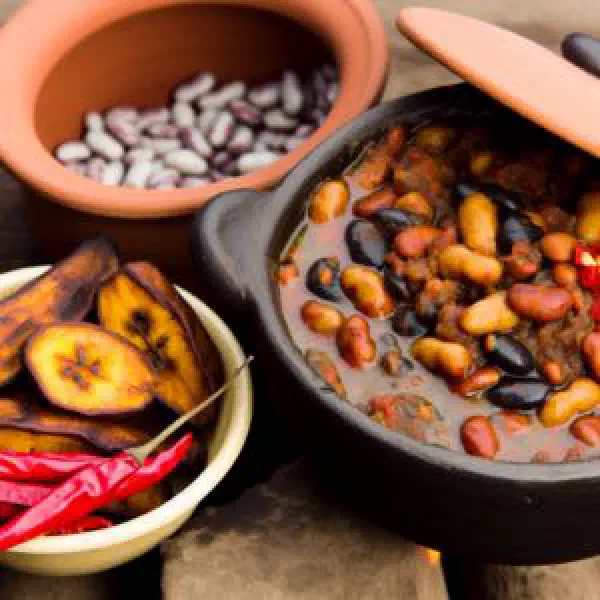
If you do not have certain ingredients to hand, there are plenty of alternatives you can use. In place of millet, for instance, rice or quinoa also make a similar porridge, much like the base of a comforting Boule De Mil. When it comes to the accompaniments, your imagination is the only limit. Instead of meat you can use pulses such as chickpeas or lentils to create a protein-rich side.
Drink pairing ideas
To round off your meal, there are a few drinks that go well with Massa. A refreshing herbal tea or a hibiscus-based tea pairs nicely with the savoury porridge. If you fancy something alcoholic, a light lager makes a good companion. A fruity smoothie could also be a fine choice to complement the flavours perfectly.
Serving and presentation ideas
The presentation of Massa can greatly enhance the enjoyment. Serve the porridge in an attractive bowl and garnish it with colourful accompaniments for an inviting look. Herbs such as coriander or parsley make a lovely fresh garnish. Remember that we eat with our eyes first, an appealing bit of decoration turns any meal into something special.
A bit of history
Massa has deep roots in the cultural identity of Niger. The dish has been prepared for generations and celebrates the country’s traditions and sense of community. It is a nourishing food and a symbol of hospitality and solidarity. Many families gather together to enjoy Massa, which underlines the social side of this dish and makes it a treasured part of Nigerien cuisine.
More recipe ideas
Summary: Massa
In summary, Massa is a nourishing and versatile dish that not only embodies the culinary tradition of Niger but is also a feast for the senses. With its simple preparation and the freedom to add all manner of accompaniments, it is an ideal choice for any occasion. Massa is always a treat and brings people together for sociable moments around the table.