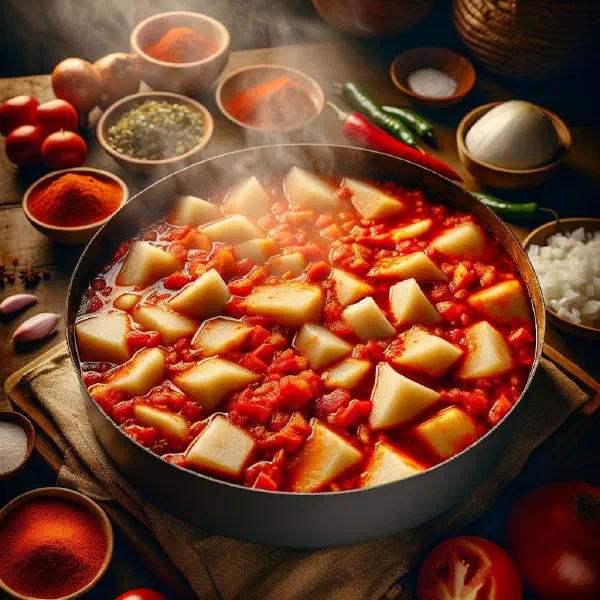
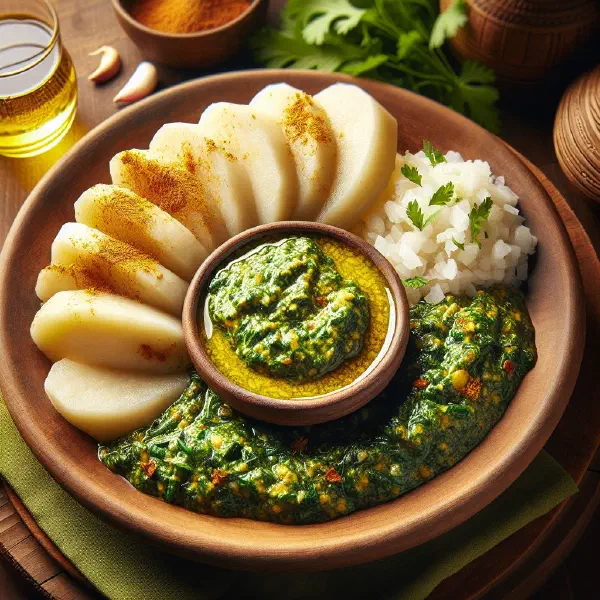
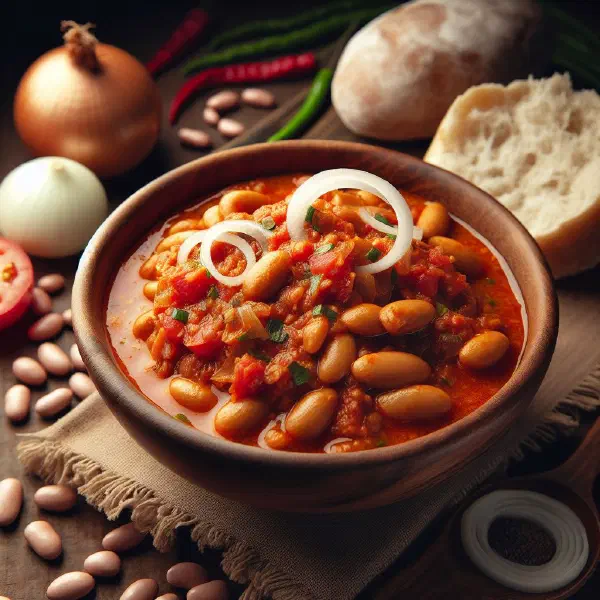
National Dish Nigeria: Amala and Gbegiri (Recipe)
In this article
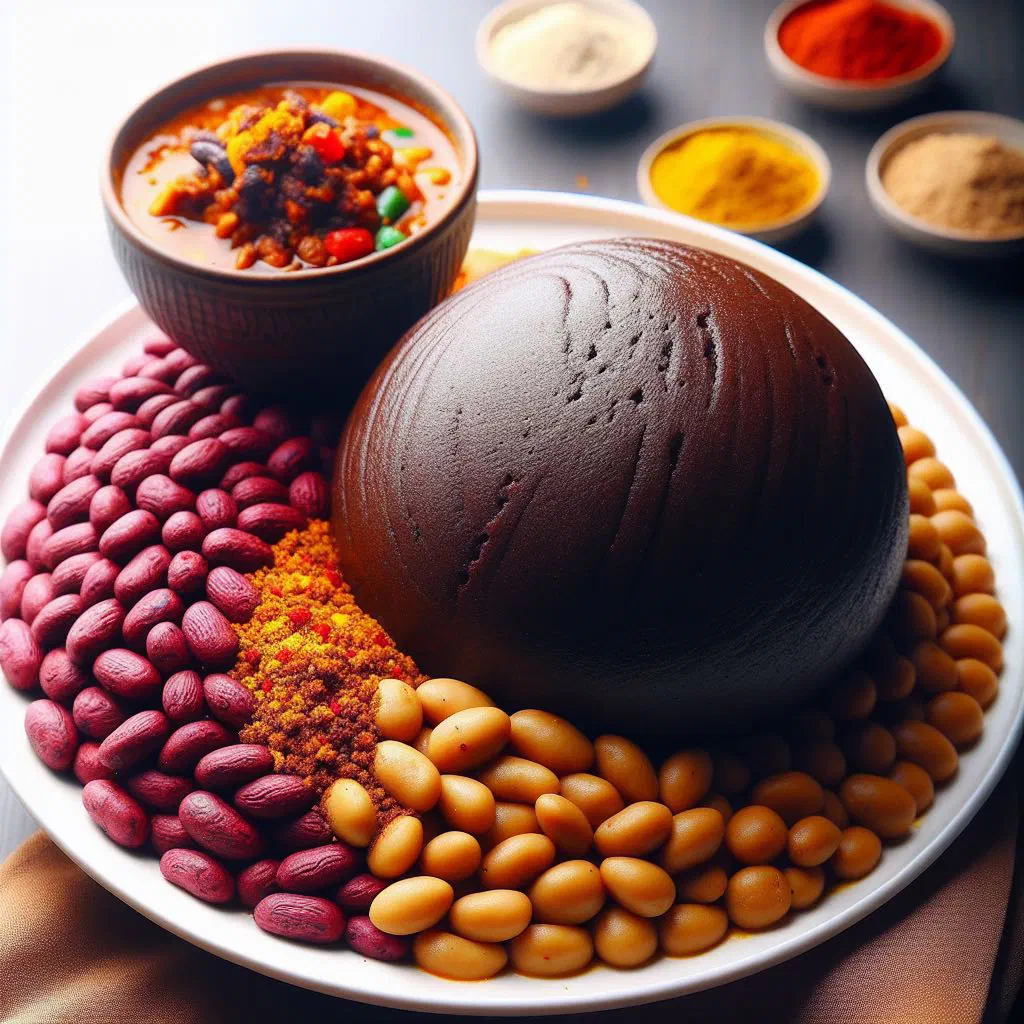
Discover Amala and Gbegiri, a soul-warming pairing that sits at the heart of Nigerian cuisine. Smooth, dark yam paste meets a velvety soup of ground beans, seasoned with palm oil and gentle spice. It is honest, hearty comfort food, the kind of meal that brings people together around the table. Bring the flavours of a Nigerian kitchen straight to your own home with this satisfying combination.
About Amala and Gbegiri
The pairing of Amala and Gbegiri is a genuine feast for the senses and a gateway into the wonderfully varied world of Nigerian cooking. Amala, a smooth and glossy paste made from yam, is regarded as a staple across many parts of Nigeria. It has a unique texture that pairs beautifully with all manner of sauces and soups. Gbegiri, by contrast, is a creamy bean soup made from ground beans, lending a hearty, earthy flavour that harmonises perfectly with the soft consistency of amala.
Ingredients (serves 1–2)
- 250 g yam or amala flour
- 200 g black beans
- 1 onion
- 2–3 peppers (red or green)
- 2–3 tablespoons palm oil
- 1 teaspoon spices (such as garlic and ginger)
- Salt to taste
- Water
Shopping for the ingredients
When shopping for amala and gbegiri, it pays to look for good-quality beans and fresh vegetables. Black beans are widely available in African grocery shops, but you can often find what you need in a regular supermarket too. When buying yam, choose firm, unblemished tubers, as these give the best texture. Items such as palm oil and the spices are easy to source online or from specialist shops.
Preparing the dish
Before you start cooking, wash the beans thoroughly and leave them to soak overnight. This softens them and helps them cook more quickly. The yam tubers also need to be peeled and cut into pieces before you prepare them for amala. Remember to finely chop the vegetables, such as the onion and peppers, to achieve an even consistency throughout.
Step-by-step instructions
- Drain the beans and cook them in a pan of fresh water for around 30 minutes, until soft.
- Purée the cooked beans with a fork or in a blender until you reach a creamy consistency.
- Heat the palm oil in a separate pan and add the chopped onions and peppers, cooking until soft.
- Add the bean purée to the onions and stir well, then season with the spices and salt and let everything simmer gently.
- Meanwhile, cook the yam tubers in another pan until soft, then mash or blend them into amala.
- Arrange the amala on plates and serve with the gbegiri.
Gluten-free / lactose-free version
Amala and gbegiri are naturally gluten-free and lactose-free, which makes them an ideal choice for anyone with special dietary needs. Do take care, however, to choose a processed palm oil that contains no gluten-based ingredients. It is worth checking the labels to avoid additional additives that could be problematic on a gluten-free or lactose-free diet.
Tips for vegans and vegetarians
This dish is naturally vegan, as long as no animal products are used in the cooking. You can also add different vegetables to make it even more varied and nourishing. It is a good idea to experiment with a range of spices to deepen the aroma further without sacrificing flavour. You might also use alternative oils such as coconut oil to achieve a slightly different taste.
More tips and tricks
An important tip when cooking amala is to add the water in a controlled way, so you reach exactly the consistency you want. You could also try adding fresh herbs such as parsley or coriander for extra flavour. If you like your food hotter, throw in some freshly chopped chillies. It is also worth considering cooking the beans in a pressure cooker to shorten the preparation time.
Adapting the recipe to your taste
The recipe for amala and gbegiri is easy to adjust to suit your palate. You can use different types of beans, kidney beans or chickpeas, for example, to achieve a different flavour. You can also vary the heat by adding as much or as little spice as you like. Experiment with the consistency by adding more or less water to bring the dish in line with your preferences.
Ingredient substitutions
If you cannot find yam, you can use teff flour or rice flour as a substitute for amala. These alternatives also make a tasty paste. Should you not have any black beans to hand, you can fall back on red lentils or white beans. These options lend the dish a distinctive flavour while still providing the nourishing base you are after, much like the beans that shine in Ewa Agoyin.
Drink pairing ideas
To round the meal off nicely, I recommend serving it with a refreshing drink such as beetroot juice or a fruity lemonade. A well-chilled tea can also make a wonderful accompaniment, refreshing the palate after such a hearty meal. For a non-alcoholic option, you might also consider a cool malt drink, which pairs well with the earthy flavours of the dish.
Serving and presentation ideas
To present amala and gbegiri attractively, arrange the components in deep bowls, placing the amala in the centre and pouring the gbegiri soup over it. Garnish the food with a few fresh herbs or vegetables to create an appealing contrast. Take care to highlight the colours so the dish looks visually inviting. A thoughtful presentation lifts the whole eating experience and turns the meal into a real occasion.
A bit of history
Amala and gbegiri have deep roots in Nigerian culture and are a source of nourishment and a symbol of community. These dishes are served on special occasions and bring people together. The preparation is often a communal process, passed down from one generation to the next. It reflects the tradition and richness of African cooking, which is celebrated for its delicious and nourishing dishes, a spirit you will find right across Nigerian cuisine.
More recipe ideas
Summary: Amala and Gbegiri
Amala and gbegiri is a delicious, nourishing dish that has won the hearts of people across Nigeria. The combination of smooth amala and the savoury bean soup creates a balanced flavour experience that both satisfies and appeals to. Dive into this delectable meal and experience the flavours and traditions of Nigeria.