National Dish Nigeria: Ekwang (Recipe)
In this article
Meet Ekwang, a soulful classic that speaks to the warmth of Nigerian home cooking. Grated cocoyam is folded into tender leaf parcels, then coaxed to melting softness in a rich, spiced palm oil broth. It is the kind of dish that draws a whole family into the kitchen, hands busy and stories flowing. Hearty, comforting and full of character, Ekwang carries the flavours of the region straight to your table.
About Ekwang
Ekwang is a traditional dish enjoyed across Nigeria, and it holds a special place in the communities of the country’s south. Its foundation is finely grated taro (cocoyam) root, brought together with a medley of savoury seasonings and a generous helping of palm oil. Yet Ekwang is far more than a meal; it is a symbol of community and cultural identity. Every mouthful reflects the rich variety and unmistakable character of Nigerian cooking, making it a proud example of Nigerian cuisine.
Ingredients (serves 1–2)
- 200 g taro (cocoyam) root
- 200 ml palm oil
- 1 onion, finely chopped
- 2–3 peppers, diced
- 250 g meat or fish (your choice)
- Seasonings (salt, pepper, cayenne pepper)
- A few cocoyam leaves or banana leaves, for wrapping
Shopping for the ingredients
To make an authentic Ekwang, the ingredients should ideally be as fresh as possible. Head to your local Asian or African grocery to track down the taro root and palm oil. These shops often stock other Nigerian staples that come in handy for traditional cooking, from dried fish to bold spice blends. Do choose good-quality seasonings, as they make all the difference to the finished flavour.
Preparing the dish
Preparation is key to getting Ekwang just right. To begin, peel the taro root thoroughly and grate it into a fine pulp. Let this drain well so the finished dish does not turn out watery. Meanwhile, get the remaining ingredients chopped and lined up, which keeps the cooking process moving along at a steady, unhurried pace.
Step-by-step instructions
- Grate the taro root and leave it to drain well.
- In a bowl, mix the grated taro with the diced peppers and onions.
- Heat the palm oil in a pan and add the seasonings.
- Fry your chosen meat or fish until cooked through.
- Wrap the taro mixture in banana leaves and place the parcels in a pot of boiling water.
- Steam for around 30 minutes, until the taro is soft and tender.
- Serve the Ekwang with the fried meat or fish.
Gluten-free / lactose-free version
Ekwang is naturally gluten-free and lactose-free, since its main ingredient, the taro root, contains neither. Just take care that any other components, such as seasonings or marinades, are also free from gluten and lactose so the whole dish stays suitable. Sticking to fresh, unprocessed ingredients is the surest way to make sure this meal works for everyone at the table.
Tips for vegans and vegetarians
For a vegan or vegetarian take on Ekwang, simply leave out the meat or fish and add more vegetables in their place. Tofu or tempeh make excellent protein-rich alternatives. It is also worth adjusting the seasonings to reach the flavour you are after. Vegans should look for palm oil sourced from sustainable suppliers, which is kinder to both taste and conscience.
More tips and tricks
To deepen the flavour of Ekwang, try seasoning the taro root before it goes into the pot. Keep an eye on the consistency of the mixture too, so that it holds together nicely during steaming. Using the right number of banana leaves matters here, as it stops the parcels falling apart. A squeeze of lemon juice at the end lends the dish a bright, fresh lift.
Adapting the recipe to your taste
Ekwang is wonderfully versatile and easy to shape around your own preferences. Feel free to add different vegetables or vary the seasonings to suit your palate. A scattering of fresh coriander or parsley, for instance, brings a new dimension and a pop of colour.
Ingredient substitutions
If taro root proves hard to find, you can turn to other root vegetables such as cassava or potatoes. Palm oil can be swapped for a neutral vegetable oil, though this will shift the dish away from its traditional taste. For a richer flavour, coconut oil makes an interesting alternative. When it comes to seasoning, an Asian soy sauce or a fiery hot sauce can add an intriguing twist.
Drink pairing ideas
Ekwang pairs beautifully with non-alcoholic drinks such as freshly pressed fruit juice or cooling coconut water. If you fancy something alcoholic, a light Nigerian beer or even a crisp, sorbet-like white wine harmonises nicely. Serve them well chilled to keep everything refreshing.
Serving and presentation ideas
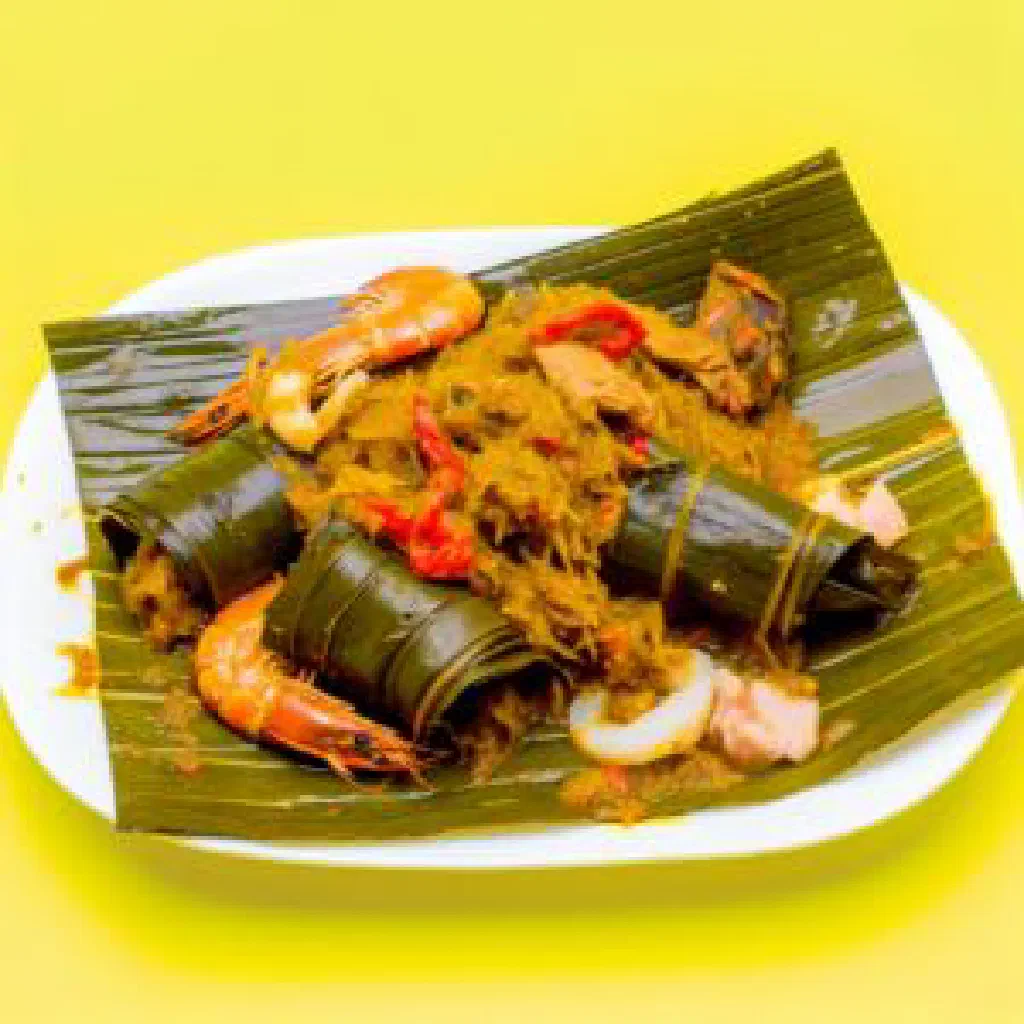
To serve Ekwang attractively, drape the banana leaves across a handsome plate and arrange the dish on top. A few fresh herbs such as coriander or parsley make a lovely garnish and add welcome flashes of colour. Traditional serving pieces help set a cultural mood, while a wooden board or a bowl of natural materials lifts the presentation that little bit further.
A bit of history
The roots of Ekwang run deep in Nigerian culture, reflecting customs and traditions handed down across generations. Historically it was often served at festivals and celebrations, a dish that fostered togetherness and a sense of belonging. Making it is itself a communal affair, with families and friends gathering to cook and share in the results. Its enduring popularity today is a testament to the place traditional recipes still hold in modern Nigerian life.
More recipe ideas
Summary: Ekwang
In short, Ekwang is a distinctive and delicious dish that captures the very essence of Nigerian cooking. With its fresh ingredients and savoury aromas, it is a treat for the palate and a heartfelt tribute to the culture and traditions of the region. Ekwang is always an excellent choice. Discover the joys of Nigerian gastronomy with this hearty dish and bring a taste of West African cooking into your own kitchen.