National Dish Nigeria: Jute Leaf Stew (Recipe)
In this article
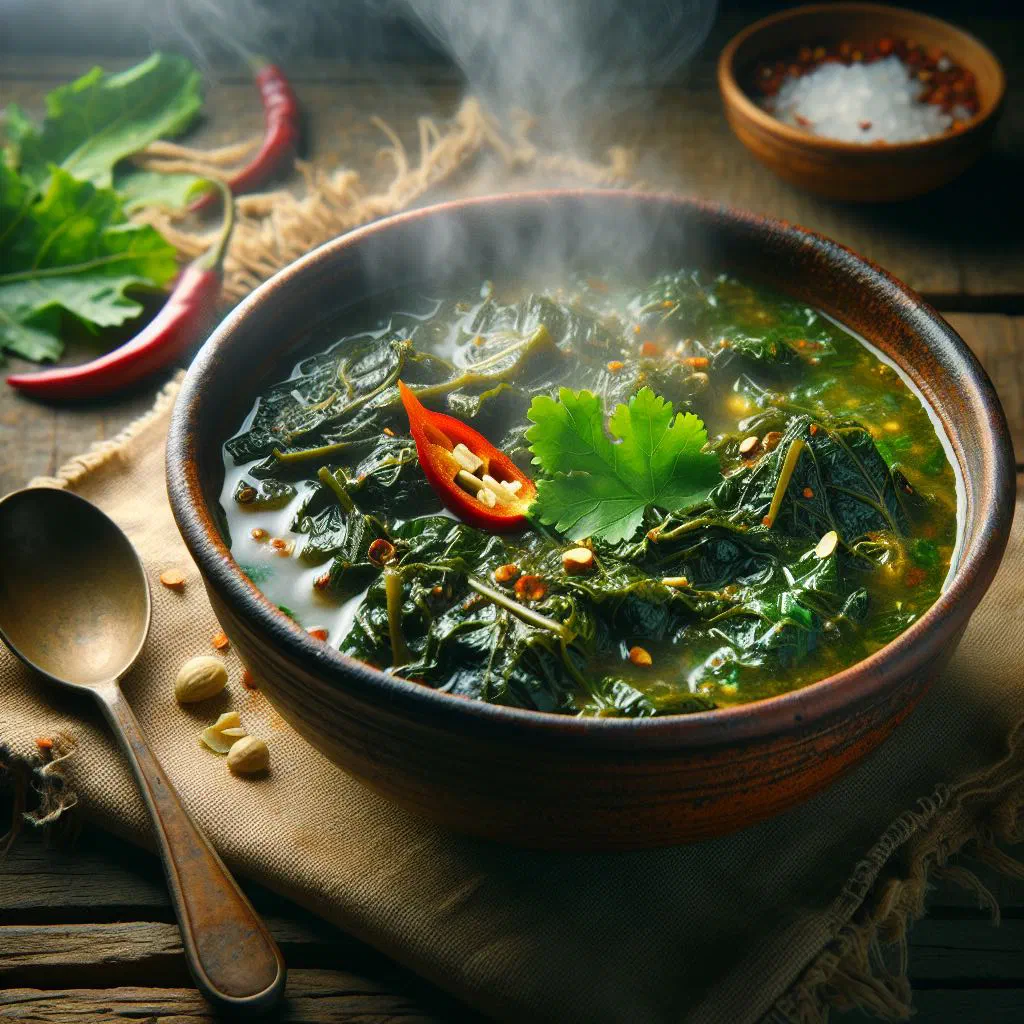
Meet Jute Leaf Stew, known across Nigeria as Ewedu, a soft, silky pot of tender greens simmered with onion, garlic and a gentle kick of chilli. Nourishing, quick to make and full of the warm flavours of West Africa, it is the kind of everyday dish that brings a table together. With just a handful of humble ingredients, you can bring the aromas of a Nigerian kitchen straight into your own home.
About Jute Leaf Stew
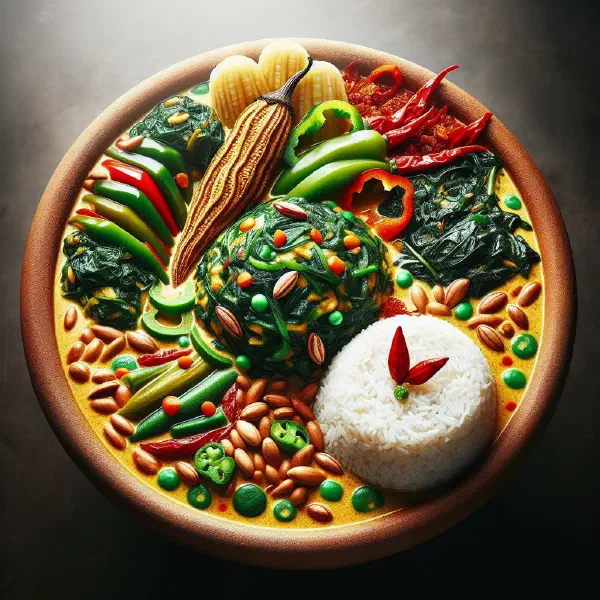
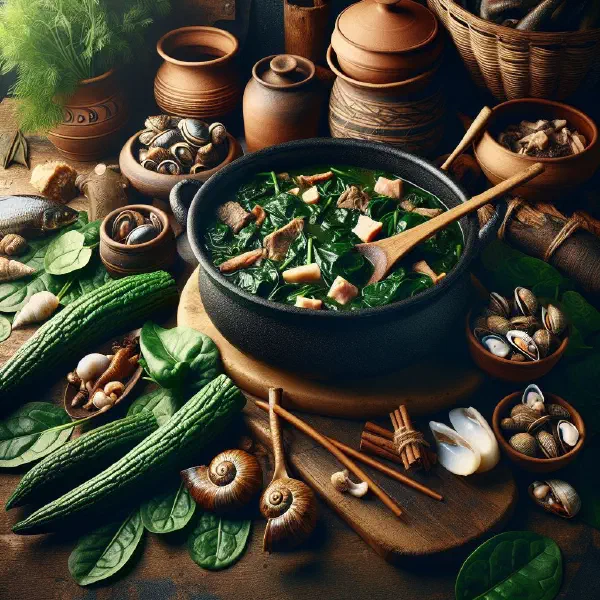
Jute Leaf Stew, also called Ewedu, is a classic of the Nigerian kitchen. Its defining feature is the jute plant, whose delicate leaves cook down into a wonderfully smooth, mucilaginous base for a flavourful stew. The dish is tasty and remarkably nutritious, and it holds an important place in traditional Nigerian eating. A simple blend of spices and aromatics carries the flavours of Africa into every spoonful, much like a bowl of Ewedu Soup.
Ingredients (serves 1–2)
- 2 cups fresh jute leaves (ewedu)
- 1 onion, diced
- 2 cloves garlic, crushed
- 1–2 fresh green chillies, finely chopped
- 2 cups vegetable stock or water
- Salt and pepper, to taste
- A splash of vegetable oil
Shopping for the ingredients
When shopping for jute leaf stew, it is worth choosing the best ingredients you can find. Look out for fresh jute leaves, which are widely available at African markets and international grocers. If you cannot track them down, other leafy greens such as spinach make a fine stand-in. Don’t forget to refresh your spices too, so the finished dish delivers the fullest flavour.
Preparing the dish
Preparing jute leaf stew is straightforward and takes only a few steps. Begin by washing the jute leaves thoroughly to remove any grit or impurities. Finely chop the onion and garlic, and have your vegetable stock or water ready to go. Using fresh ingredients makes a real difference to the final taste and turns a simple pot into something genuinely satisfying.
Step-by-step instructions
- Heat the vegetable oil in a large pot over medium heat.
- Add the diced onion and crushed garlic, and fry until golden brown.
- Stir in the chopped chillies and cook briefly to release their heat.
- Add the jute leaves to the pot and stir well.
- Pour in the vegetable stock or water and bring everything to the boil.
- Reduce the heat and let it simmer for 10–15 minutes, until the leaves are soft.
- Season with salt and pepper, then serve.
Gluten-free / lactose-free version
Jute leaf stew is naturally gluten-free and lactose-free, which makes it a great choice for anyone with those intolerances. Simply take care not to add any gluten-containing products during cooking, so the dish stays pure. This quality makes it ideal both for people with food intolerances and for health-conscious eaters looking for a wholesome, light meal.
Tips for vegans and vegetarians
Vegans and vegetarians can adapt jute leaf stew to their liking with ease. Use a plant-based stock as the base and make sure any spices and oils you reach for are vegan too. If you would like to boost the protein, stir in some tofu or tempeh to make the dish more filling. Enjoy it fresh to keep as many of the nutrients intact as possible.
More tips and tricks
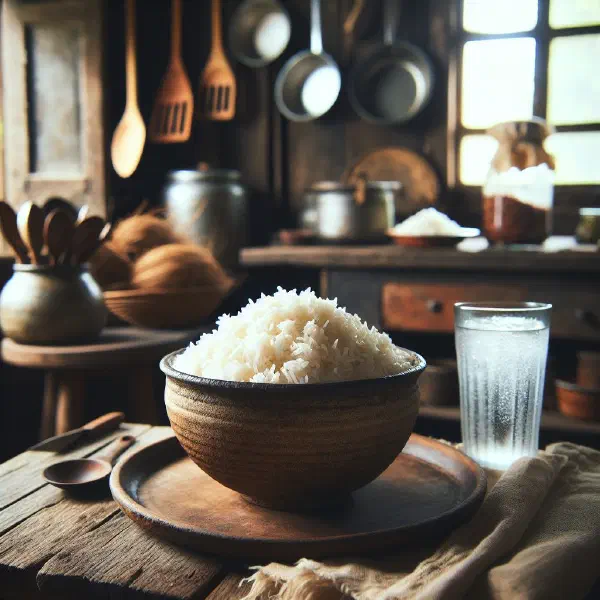
A few simple touches can make jute leaf stew even tastier. Experiment with different herbs and spices to suit your own palate, a little ginger or cumin, for instance, can deepen the aroma beautifully. Pairing the ewedu with sides such as rice or yam also rounds it out into a complete, satisfying meal that everyone will enjoy.
Adapting the recipe to your taste
Jute leaf stew is versatile and easy to shape to your own preferences. If you like things spicier, add more chillies or try different varieties. For a creamier texture, a splash of coconut milk works wonders. Just be sure to keep the balance of the spices so you don’t lose the stew’s distinctive character.
Ingredient substitutions
If you don’t have every ingredient for jute leaf stew to hand, there are plenty of alternatives. Frozen jute leaves, available in many Asian shops, work just as well as fresh ones. For the stock, homemade vegetable stock intensifies the flavour nicely. Be creative and feel free to make substitutions that lend the dish an interesting twist, much as you might with a hearty Okra Stew.
Drink pairing ideas
A range of drinks pairs perfectly with jute leaf stew to complement its flavours. A chilled hibiscus tea offers a refreshing note, while a simple glass of water with lemon makes a light accompaniment. If you fancy something more robust, a light beer can be a good match. Experiment to find the drink that best rounds off your stew experience, perhaps even a homemade Zobo Drink.
Serving and presentation ideas
The presentation of your jute leaf stew can whet your guests’ appetites before the first bite. Serve it in an attractive bowl and garnish with fresh herbs such as parsley or coriander. A few slices of avocado or some roasted nuts can act as decoration while adding extra flavour. Colourful sides also heighten the contrast and complete the overall picture.
A bit of history
Jute leaf stew has deep roots in Nigerian folklore and culture. The jute plant, also known as Corchorus, has been cultivated in the tropics and subtropics for centuries. In Nigeria, this dish is a nourishing staple and a part of tradition at festivals and celebrations. It captures the essence of Nigerian cuisine, bringing people together to enjoy the flavours of home.
More recipe ideas
Summary: Jute Leaf Stew
Jute leaf stew is a tasty, nutritious dish that carries the flavours of Nigeria into your home. With its versatility and its simple ingredients, this recipe is ideal for anyone keen to get to know African cooking. Ewedu is a delicious choice for any meal. Let this dish inspire you and enjoy the cultural richness it brings to the table.