National Dish Nigeria: Kuli Kuli (Recipe)
In this article
Discover Kuli Kuli, one of Nigeria’s most moreish snacks. Made from roasted peanuts and a whisper of spice, these crunchy little sticks carry the bold flavours of West Africa straight into your kitchen. Nutritious, satisfying and utterly addictive, they are the perfect companion for a cup of tea, a bowl of soup or simply a mid-afternoon craving. Once you learn the knack, you will find yourself making batch after batch.
About Kuli Kuli
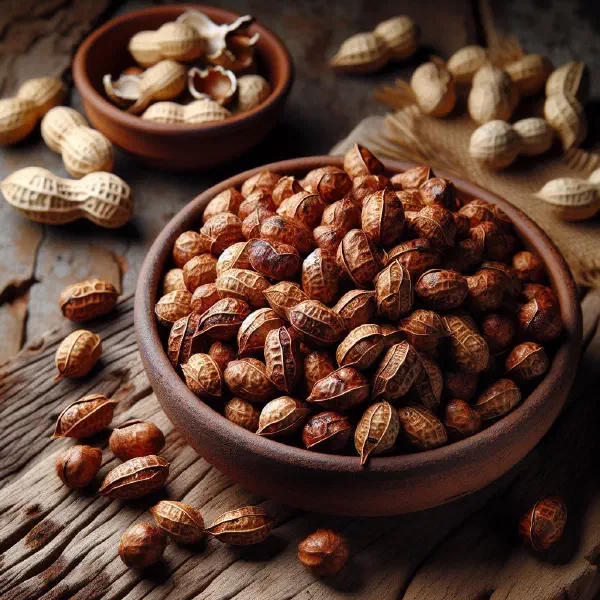
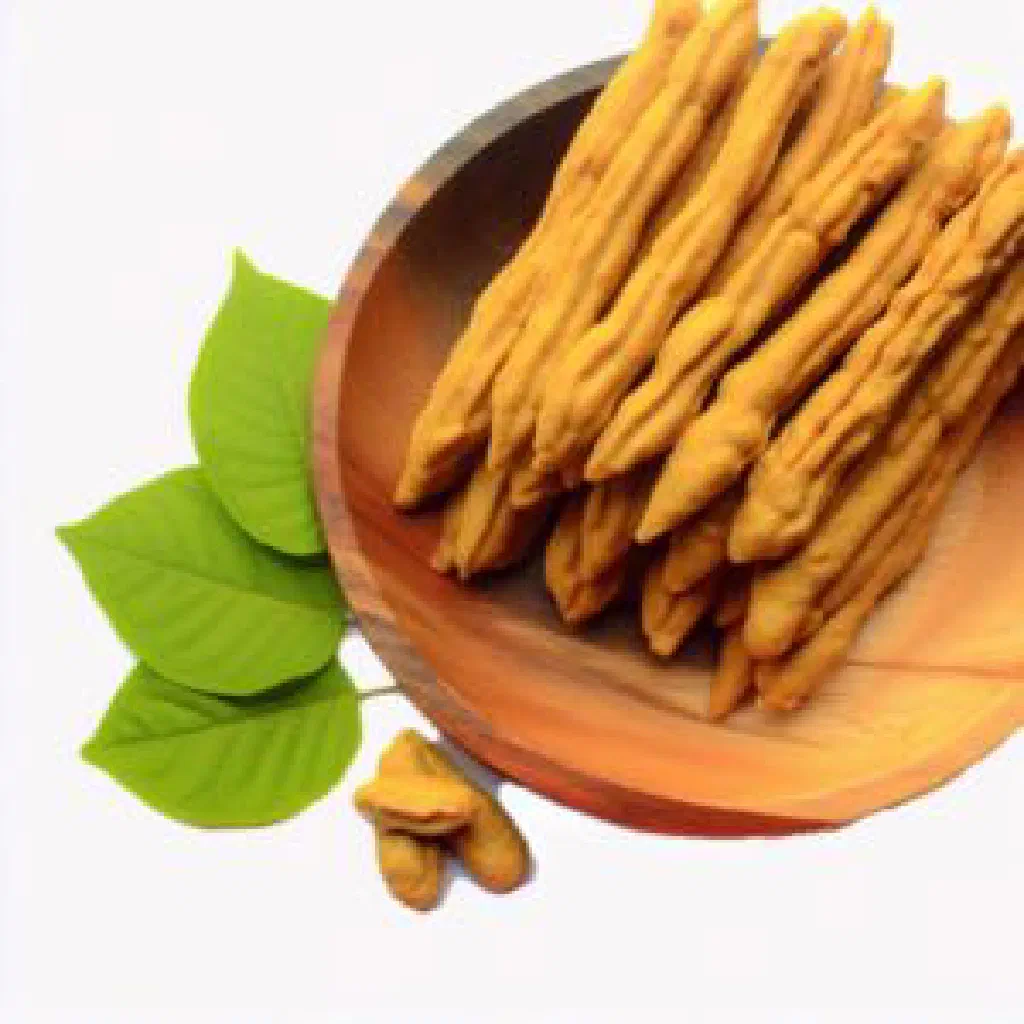
Kuli Kuli is a traditional crunchy snack from Nigeria, made from roasted peanuts ground into a coarse paste, seasoned and then shaped and cooked until firm. Loved right across West Africa, it is prized for its dense, crisp texture and its warm, savoury kick. The snack is wonderfully versatile: enjoy it on its own for a quick bite, or serve it alongside hearty dishes such as rice, soups and salads. It is a true staple of Nigerian street food culture, and part of the wider world of Nigerian cuisine.
Ingredients (serves 1–2)
- 200 g unsalted peanuts
- 1 tsp paprika (sweet or smoked)
- ½ tsp salt
- ½ tsp cayenne pepper or chilli powder (to taste)
- 1–2 tsp water (only if needed, and very sparingly!)
Shopping for the ingredients
For the best results, look for good-quality unsalted, unroasted peanuts. You will find them in most supermarkets, health food shops or African and Asian grocers. Buying them raw lets you roast the nuts yourself, giving you full control over the flavour and, crucially, the dryness of the finished snack. The spices are easy to source just about anywhere, so a simple shopping trip is all you need.
Preparing the dish
The secret to genuinely crunchy Kuli Kuli lies in the preparation. Roast the peanuts thoroughly until they smell fragrant and are properly dry. This keeps the later paste less oily and makes the final sticks noticeably crisper. Above all, take care that no extra moisture creeps into the mixture, as even a little dampness will leave you with a soft, doughy result rather than the satisfying snap you are after.
Step-by-step instructions
- Roast the raw peanuts in a dry frying pan over medium heat for 8–10 minutes until golden brown, stirring constantly. Leave to cool.
- Grind the cooled peanuts in a food processor or powerful blender to a not-too-fine meal — don’t over-blend, or too much oil will be released.
- Add the paprika, salt and cayenne pepper and mix well.
- Only if needed, add 1 tsp of water — the mixture should be crumbly and just barely mouldable, never doughy.
- Shape the mixture into small sticks, rolls or flat discs, pressing very firmly so they hold together.
- For crunchy results, choose one of two methods. Baking: bake at 160–170 °C (fan) for 25–35 minutes until properly dry and firm. Deep-frying (recommended for maximum crunch): fry in hot oil at 170 °C until golden brown.
- Leave to cool completely — only then do they reach their optimum crunchiness.
Gluten-free / lactose-free version
Kuli Kuli is naturally gluten-free and lactose-free, which makes it an easy snack to share with almost anyone. The only thing to watch is that your spices haven’t been processed with gluten-containing anti-caking agents, so check the labels if you are catering for a gluten intolerance. Otherwise, the recipe needs no changes at all to suit these dietary needs.
Tips for vegans and vegetarians
This recipe is 100 % vegan and a brilliant plant-based source of protein. For a bit more variety, try stirring in garlic powder, onion powder, cumin or a little ginger before shaping. These aromatic additions layer extra depth into the peanuts without straying from the snack’s simple, wholesome character, so vegans and vegetarians can enjoy Kuli Kuli exactly as it is.
More tips and tricks
Why does my Kuli Kuli turn out doughy? Nine times out of ten it comes down to too much moisture in the mixture or not enough drying time.
- Use as little water as possible — often the natural oils in the peanuts are more than enough to bind the mixture.
- Press the mixture together firmly so it doesn’t crumble or stay soft.
- When baking, opt for a lower temperature and a longer time so the moisture can escape slowly.
- The very best crunch comes from deep-frying in hot oil.
- Always let the Kuli Kuli cool completely after cooking — they crisp up noticeably as they cool.
- Store in an airtight container to keep them snappy for as long as possible.
Adapting the recipe to your taste
Dial the heat up or down with cayenne pepper or chilli flakes to suit your palate. For a smoky note, reach for smoked paprika instead of sweet. You can also experiment with spices such as curry powder, garlic or lemongrass to give the snack your own signature twist. Much like the versatile Suya, Kuli Kuli happily takes on whatever seasoning you fancy.
Ingredient substitutions
Rather than sticking to pure peanuts, you can swap part of them for cashews or roasted chickpeas for a slightly different character. For a milder version, simply reduce the cayenne pepper or leave it out altogether. These easy substitutions let you tailor the snack to what you have to hand, or to the tastes of whoever you are feeding.
Drink pairing ideas
Kuli Kuli is fantastic with a glass of chilled hibiscus tea, known locally as Zobo, as well as ginger beer, fresh mango juice or a cold beer. The refreshing, slightly tart notes of these drinks balance the rich, savoury peanuts beautifully, making them an ideal match whether you are snacking solo or serving guests.
Serving and presentation ideas
Serve the Kuli Kuli in an attractive bowl or on a wooden board, garnished with fresh herbs or a few lemon wedges. They also make a superb addition to a West African mezze platter, sitting happily alongside bites such as Akara or Chin Chin. A little thought given to presentation turns a humble snack into a real centrepiece.
A bit of history
Kuli Kuli is a traditional Nigerian and West African snack, especially popular among the Hausa people. It was originally made as a nourishing, long-lasting provision for travellers, and to this day it remains a firm fixture of Nigerian street food. Its combination of portability, protein and flavour has kept it beloved for generations, right alongside other classics like Moi Moi.
More recipe ideas
Summary: Kuli Kuli
With the right techniques and a little patience, perfectly crunchy Kuli Kuli is well within reach at home. This Nigerian classic is delicious and a wonderful, protein-rich snack that keeps beautifully. Give the deep-fried version a try. You will taste the difference straight away. Once you have mastered it, Kuli Kuli is sure to become a regular in your kitchen.