National Dish Nigeria: Ofada Rice and Ayamase (Recipe)
In this article
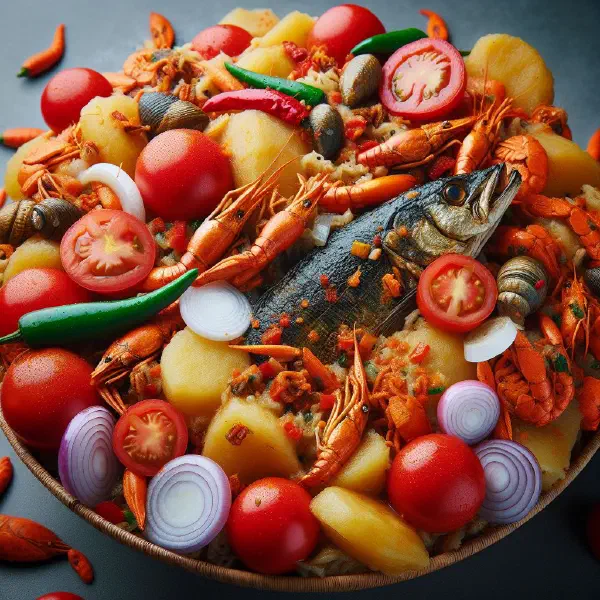
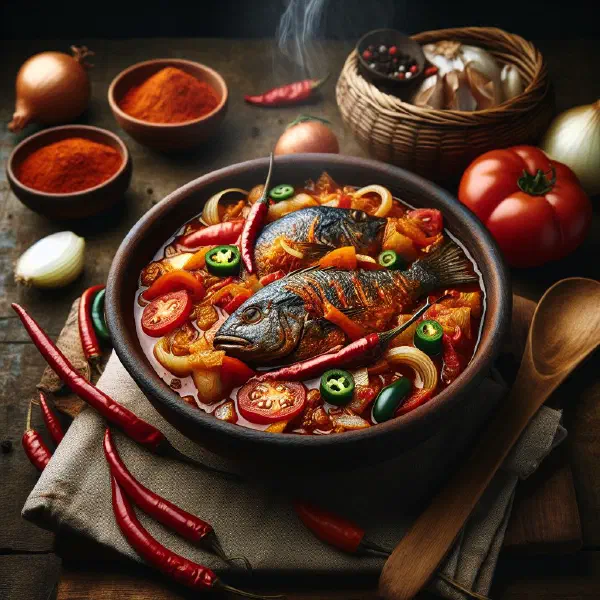
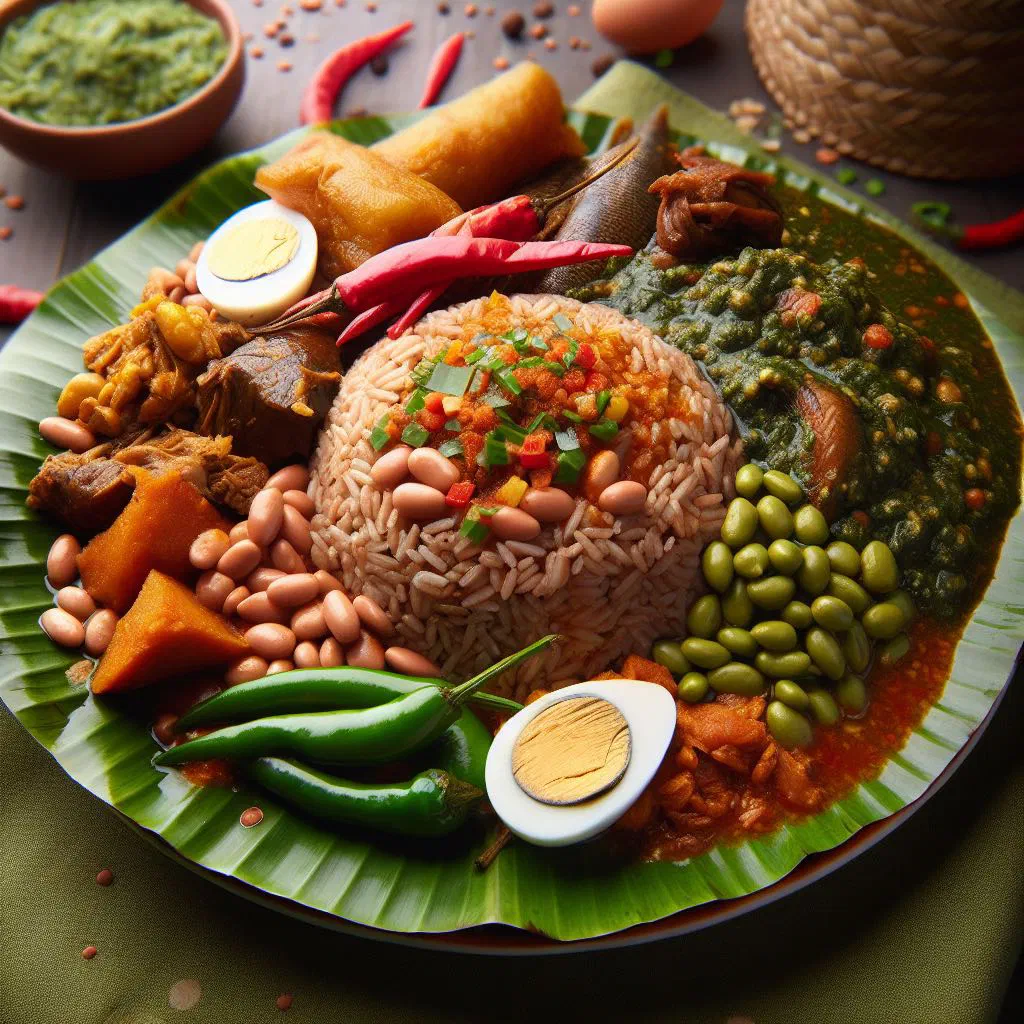
Meet Ofada Rice and Ayamase, one of Nigeria’s most iconic plates and a true feast for the senses. Short-grain local rice is paired with a smoky green pepper sauce built on melted palm oil, fiery scotch bonnet chillies and tender meat. Bold, colourful and unapologetically spicy, it captures the warmth and creativity of the Yoruba table. Bring the flavours of a Lagos kitchen straight to your own home.
About Ofada Rice and Ayamase
Ofada Rice and Ayamase is one of the most emblematic dishes of Nigeria, celebrated for its unique aromas and striking colours. The ofada rice itself is a local variety prized for its full, earthy flavour and its slightly sticky texture. The green pepper sauce that accompanies it is a treat not only for the palate but for the eyes too. Thanks to a careful blend of spices, the dish takes on the harmonious heat that is so characteristic of Nigerian cooking.
Ingredients (serves 1–2)
- 200g ofada rice
- 4–6 green peppers
- 2 onions
- 1–2 scotch bonnet chillies
- 250ml palm oil
- 500g beef or chicken
- Seasoning (salt, pepper, stock cubes)
Shopping for the ingredients
The ingredients for ofada rice with ayamase are available in many African or Asian grocery shops. Ofada rice is often the hardest element to track down, as it is not stocked in every supermarket. When buying, look for rice that is fresh and of good quality. For the pepper sauce, green peppers and scotch bonnet chillies are essential, as they deliver both the necessary aroma and the signature heat.
Preparing the dish
To make this dish, it helps to do a little groundwork first. Begin by washing the ofada rice to remove excess starch, which stops the grains turning too sticky. While the rice soaks, prepare the peppers and onions; wash them thoroughly and cut them into pieces to make cooking easier. Take care when handling the scotch bonnet chillies, as they bring an intense heat.
Step-by-step instructions
- Soak the ofada rice in water and leave it to rest for around 30 minutes.
- Meanwhile, heat the palm oil in a pot until it turns liquid.
- Blend the onions and chopped peppers together with the scotch bonnet chillies in a mixer until smooth.
- Add the purée to the hot palm oil and let it simmer over medium heat.
- Stir in the pre-cooked beef or chicken and combine well.
- Season with salt, pepper and stock cubes, then simmer for a few more minutes.
- Cook the soaked rice in a separate pot according to the packet instructions.
- Serve the rice alongside the ayamase sauce and enjoy.
Gluten-free / lactose-free version
Ofada rice with ayamase is naturally gluten-free and lactose-free, which makes it a great option for anyone with special dietary needs. Do check that any seasonings you use contain no hidden gluten. Working with fresh ingredients further supports good health and suits the needs of allergy sufferers. Make sure the palm oil you choose is pure, so you avoid any unwanted additives.
Tips for vegans and vegetarians
For vegans and vegetarians, ofada rice with ayamase is easy to adapt by swapping the meat for tofu or vegetables. Tofu is an excellent source of protein and soaks up the flavour of the spices beautifully. Pan-fried vegetables also make a delicious alternative. Remember to combine the palm oil with vegetable stock to deepen the flavour, much as you would in a comforting bowl of Egusi Soup.
More tips and tricks
A few tips can noticeably improve the quality of your ofada rice with ayamase. Cooking the sauce slowly intensifies the flavours and lets the ingredients meld together harmoniously. A pinch of sugar can also help balance the heat of the pepper sauce. If you like things hotter, simply add more scotch bonnet chillies, or serve extra chilli paste on the side.
Adapting the recipe to your taste
Ofada rice with ayamase can be tailored to suit your personal taste. Fennel seeds or cumin can add an interesting note. The type of oil can vary too; coconut oil or olive oil also work well as alternatives. Experiment with different flavours to create the dish that is just right for you.
Ingredient substitutions
If you struggle to find certain ingredients, there are plenty of alternatives. In place of ofada rice, for example, you can use basmati rice, although the flavour will be a little different. Palm oil can be replaced with groundnut or rapeseed oil, though the colour and taste of the sauce may shift slightly. Use your creativity to adapt the dish to whatever you have to hand, the same spirit that gives a classic Ayamase its character.
Drink pairing ideas
Both alcoholic and non-alcoholic drinks pair wonderfully with this dish. A cold, fruity beer can offset the heat of the sauce and provide a lovely refreshment. Alternatively, a simple homemade hibiscus tea harmonises well too. Add a few ice cubes to turn it into the perfect cooling drink.
Serving and presentation ideas
The way you present ofada rice with ayamase can greatly enhance the pleasure of the dish. Serve it in a deep bowl to show off the vivid colours of the sauce and the rice. A scattering of fresh herbs such as coriander or parsley adds welcome contrast. Do not forget to garnish with a wedge of lime for an extra touch of acidity and freshness.
A bit of history
Ofada rice has its origins in Nigeria and is especially significant in Yoruba culture. The preparation of ayamase sauce follows a long tradition passed down through generations. Nigeria’s climate ensures that the ingredients used are fresh and full of aroma. The tradition behind these dishes reflects the cultural diversity and culinary creativity of the region, and ofada rice with ayamase is a prime example of Nigerian cuisine.
More recipe ideas
Summary: Ofada Rice and Ayamase
Ofada rice with ayamase is a hearty and aromatic dish that unites the flavours of Nigeria to perfection. The combination of full-bodied ofada rice and piquant ayamase sauce makes it a must for any food lover. Whether for a family dinner or a festive occasion, this dish brings the very best of Nigerian cooking to the table. Let the aromas tempt you and enjoy the traditions woven into every spoonful.