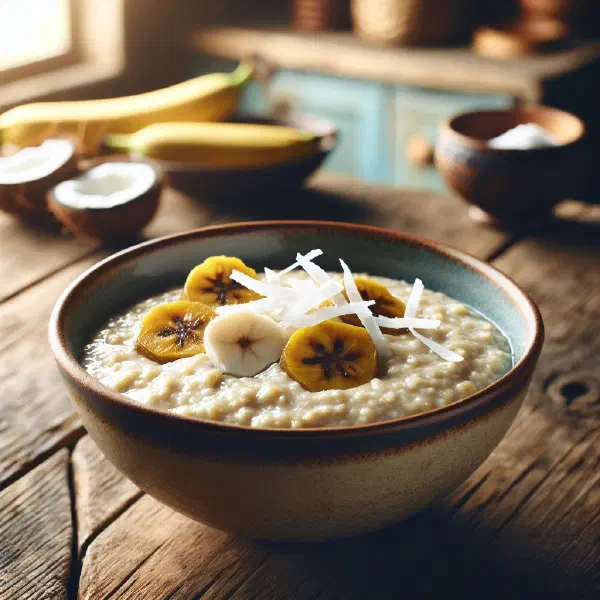
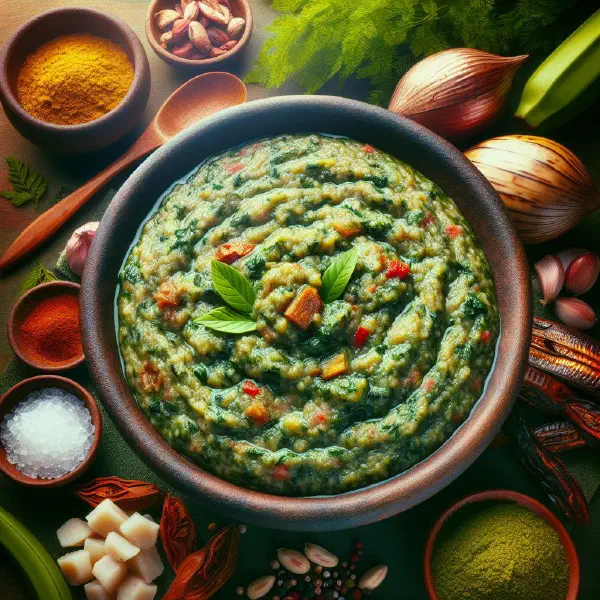
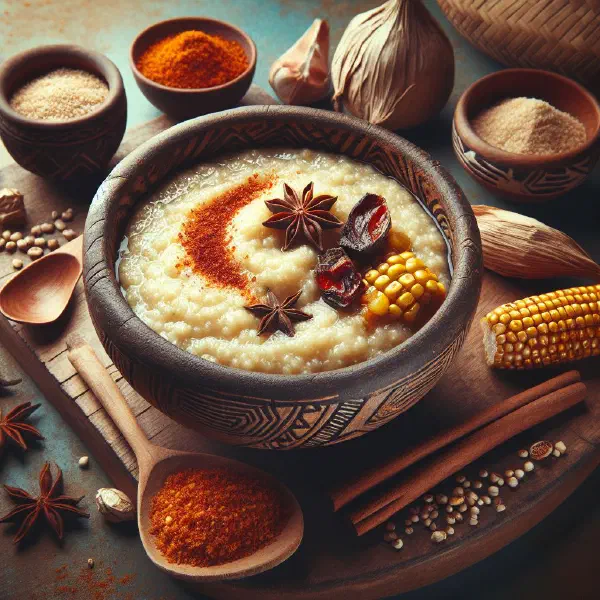
National Dish Nigeria: Ogi (Recipe)
In this article
Meet Ogi, the smooth, gently sour porridge that starts the day across much of Nigeria. Made from fermented corn, millet or sorghum, this silky breakfast bowl is nourishing, comforting and endlessly adaptable. The slow fermentation deepens its flavour while making the grains easier to digest, which is why generations have turned to it as a first meal. Ogi brings a taste of West African home cooking straight to your table.
About Ogi
Ogi, also known as Akamu or Pap, is a traditional Nigerian dish made from fermented grains such as corn, millet or sorghum. This much-loved dish is a firm fixture of Nigerian cooking and is most often served at breakfast. Making ogi involves a fermentation process that improves the flavour and helps the body absorb the nutrients more easily. Ogi is prized for its nourishing content and its many uses, which makes it a popular choice for so many people. Like other porridge-style staples such as Cornmeal Porridge, it is as versatile as it is comforting.
Ingredients (serves 1–2)
- 1 cup fermented corn, millet or sorghum
- 4 cups water
- 1–2 tablespoons sugar or honey (to taste)
- A pinch of salt
- Optional: milk or a plant-based milk alternative
Shopping for the ingredients
The ingredients for ogi are widely available and can be found in most Asian or African grocery shops. If you need fresh fermented corn or the other grains, look for good-quality products to ensure the best flavour and nutrition. Many food shops also stock sugar or honey in various forms, so you can choose according to your preferences. Remember to pick up some milk or a plant-based alternative too, to enrich the finished dish.
Preparing the dish
To prepare ogi, it is important to rinse the fermented grain well to remove any unwanted impurities. Before cooking, the grain should also be soaked thoroughly so that the fermentation develops evenly. If you would like to make ogi entirely from scratch, allow plenty of time, as the fermentation takes several days. For a quicker version, you can also buy ready-made ogi mixes from shops that have already been fermented.
Step-by-step instructions
- Put the fermented grain into a pan and add the 4 cups of water.
- Bring the mixture to a gentle boil over medium heat, stirring regularly to prevent lumps forming.
- Reduce the heat and let the ogi simmer for 5–10 minutes, until it reaches the consistency you like.
- Add sugar or honey to taste and stir well.
- Serve the ogi warm, either on its own or with your chosen accompaniment.
Gluten-free / lactose-free version
Ogi is naturally gluten-free as long as you use millet or sorghum. Avoid using wheat or other gluten-containing grains to be sure of this. When it comes to keeping it lactose-free, you can use any kind of plant-based milk to round off the dish. These alternatives offer a whole range of flavours that make ogi even more appealing.
Tips for vegans and vegetarians
Ogi is already an excellent choice for vegans and vegetarians, as it is made entirely from plant-based ingredients. To keep your ogi completely plant-based, take care not to add any animal products such as milk or butter. Using plant-based milk and natural sweeteners can enrich the recipe while meeting your dietary needs. Experiment with different spices or fruits to keep the dish both healthy and full of flavour.
More tips and tricks
A key element of cooking ogi is patience, as the fermentation process takes time. To vary the flavour, you can also add aromatics such as cinnamon or vanilla. Experiment with the consistency to work out whether you prefer a thicker or a thinner texture. Ogi also keeps beautifully overnight in the fridge and can be gently reheated over the following days.
Adapting the recipe to your taste
Ogi is an extremely versatile dish that can easily be adjusted to suit individual tastes. You can increase or reduce the sweetness to your liking, and even add different fruits to discover new flavour combinations. For a savoury twist, you could also serve ogi with vegetables or pulses. Your creativity is the only limit when it comes to adapting the recipe.
Ingredient substitutions
If you do not have millet or sorghum to hand, you can also use rice or other gluten-free grains to make your ogi. Instead of sugar, you can use maple syrup or agave nectar for a natural sweetener. For a creamier consistency, you can also stir in a little coconut milk. These alternatives lend a unique flavour and a fresh texture to your dish.
Drink pairing ideas
A range of drinks pairs well with ogi, including fresh fruit juice or a simple herbal tea. A warm ginger tea works especially well and can aid digestion, much like a glass of Kunu Zaki. For a festive touch, you could also serve sparkling water with a squeeze of lemon juice. These combinations make breakfast or any meal even more varied and refreshing.
Serving and presentation ideas
The way you present your ogi can noticeably improve the eating experience. Serve it in colourful bowls and garnish with fresh fruit or nuts to add pops of colour. Using bold colours and neat portions can make the dish look even more appetising. Creative garnishes such as mint leaves or edible flowers can also help turn the dish into a real showpiece.
A bit of history
Ogi has its origins in West African cooking and has been prepared traditionally for centuries. Once introduced as a food suitable for the very young, ogi has taken on a central role in Nigerian food culture. It is regarded as a nourishing meal that is especially valuable for children and expectant mothers. Through fermentation, ogi becomes an easily digestible food that provides plenty of vitamins and minerals, a proud part of Nigerian cuisine.
More recipe ideas
Summary: Ogi
To sum up, ogi is a delicious and a wonderfully versatile Nigerian dish. With its simple preparation and the scope to adapt it to individual tastes, it is a popular choice for many people. Its nourishing ingredients and fermented qualities all contribute to the health benefits of this dish. We invite you to try ogi for yourself and discover the delicious variety of West African cooking.