National Dish Nigeria: Palm Nut Soup (Recipe)

In this article
Discover Palm Nut Soup, an aromatic dish that captures the flavours and traditions of Nigeria in every single bowl. Made from the rich pulp of the oil palm fruit, this soup is prized for its creamy body and its deep, savoury warmth. Spiced generously and often studded with tender meat and fresh herbs, it is as nourishing as it is comforting, a true symbol of hospitality and cultural identity. Cooks across the country each add their own touch, so no two pots are ever quite the same.
About Palm Nut Soup
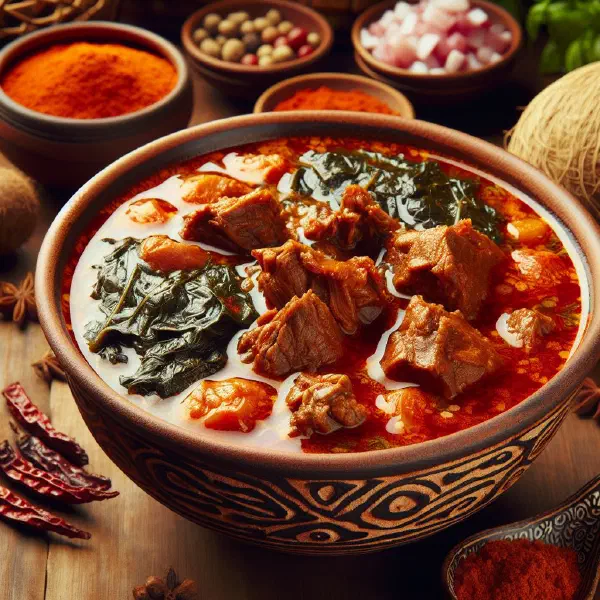
Palm Nut Soup is a genuine feast that gathers the aromas and traditions of Nigeria into a single bowl. The dish is built around the pulp of the oil palm fruit, which gives it a rich, creamy consistency and a striking deep-red colour. Carefully seasoned and often combined with fresh herbs and well-spiced cuts of meat, it is a nourishing meal and a marker of hospitality and belonging. People from the different regions of Nigeria all have their own versions, which makes this dish a fascinating study in variety, much like the closely related Banga Soup.
Ingredients (serves 1–2)
- 300 ml palm oil
- 200 g beef or chicken
- 1 large onion, diced
- 2–3 garlic cloves, chopped
- 1 tablespoon fresh ginger, grated
- 2–3 chillies, to taste
- 3–4 cups water
- Salt and pepper, to taste
- Optional: greens such as spinach or okra
Shopping for the ingredients
To guarantee a great result when cooking palm nut soup, it is worth seeking out fresh, good-quality ingredients. Many African or Asian grocers stock what you need, above all the palm oil that is essential to the soup’s authentic flavour. Look for unrefined oil to get the fullest, richest taste. Wherever possible, choose regional and sustainably sourced meat to make the dish even more flavourful.
Preparing the dish
Preparing this dish involves a few important steps that build up the flavour. Start by cutting the meat into small pieces and marinating it so the spices have time to work their way in. While that rests, chop the greens and deseed the chillies to control just how much heat ends up in the pot. A little forward planning saves time and keeps the cooking running smoothly from start to finish.
Step-by-step instructions
- Heat the palm oil in a large pot and fry the onions until golden.
- Add the marinated meat and brown it lightly.
- Stir in the garlic, ginger and chillies and mix well.
- Pour in the water, bring to the boil, then simmer over medium heat for 30–40 minutes until the meat is tender.
- Season with salt and pepper. If you like, add greens such as spinach or okra and simmer for a further 10 minutes.
Gluten-free / lactose-free version
Palm nut soup is naturally gluten-free and lactose-free, which makes it an excellent option for anyone with those intolerances. Simply take care that every spice and ingredient you use is also certified gluten-free. This flexibility means the dish slots easily into a range of diets without any loss of flavour. Enjoy its rich, layered aromas with complete peace of mind.
Tips for vegans and vegetarians
For a vegan or vegetarian version of palm nut soup, simply swap the meat for tofu, tempeh or a generous mix of vegetables. These alternatives add plenty of flavour while also lending body and texture to the pot. Experiment with different combinations to find your own favourite version, and be generous with the spices so the soup stays deeply seasoned throughout.
More tips and tricks
A successful pot of palm nut soup rewards a little patience and technique. To deepen the flavour, let the soup simmer slowly over several hours so the aromas have time to concentrate. Using fresh spices and herbs rather than dried ones can also make a real difference to the final result.
Adapting the recipe to your taste
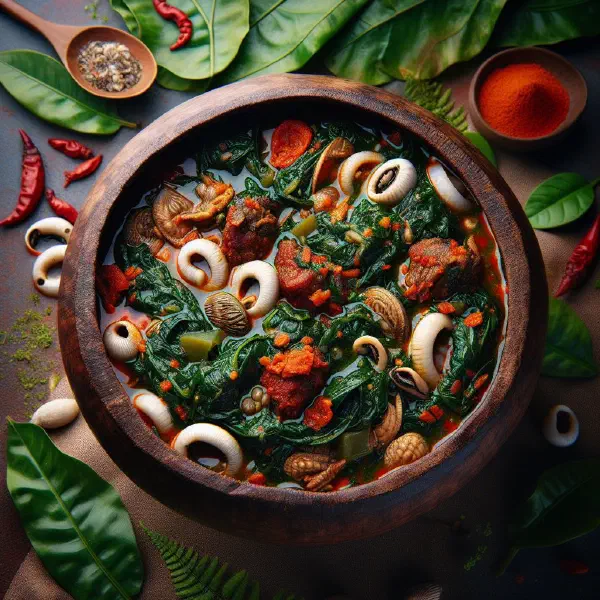
Palm nut soup is wonderfully adaptable and offers plenty of scope for personalisation. Depending on regional habits and personal preference, you can vary the recipe with different cuts of meat or types of vegetable. The heat is easy to dial up or down, so you can make the soup as mild or as fiery as you like. Let your creativity run free, the closely spiced Okra Soup is a natural next step once you have the technique.
Ingredient substitutions
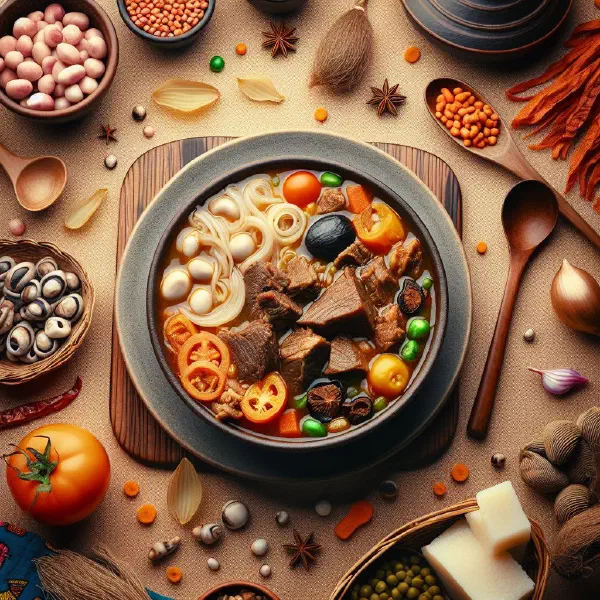
If you do not have every ingredient for palm nut soup to hand, several can be swapped for alternatives. In place of palm oil, coconut oil gives a similar yet subtly different flavour. When it comes to the protein, you can reach for prawns or fish to lend the soup a more maritime character, much as in a hearty Fish Stew. Substitutions like these mean everyone can prepare the dish just the way they like it.
Drink pairing ideas
The right drinks matter when rounding off a meal built around palm nut soup. A fresh, fruity juice or a light beer can complement the flavours beautifully. Traditionally, Nigerians also serve palm wine or a fragrant herbal tea, both of which sit well alongside this dish. Experiment with different pairings to turn your meal into a truly memorable one.
Serving and presentation ideas
Thoughtful presentation can lift the whole palm nut soup experience. Serve the dish in deep bowls and garnish with fresh herbs such as coriander or spring onions. A neat side of rice or firm vegetables on the plate rounds out the soup and adds visual appeal. Keep an eye on colour, too, a bright, inviting spread makes the meal all the more enjoyable.
A bit of history
Palm nut soup has historical roots that run deep in Nigerian culture. Originally prepared by the country’s various ethnic groups to keep their culinary traditions alive, the dish is often served on celebratory occasions. The use of palm oil goes back to a centuries-old practice of cultivating and processing oil palms. Today the soup is a symbol of hospitality and an important part of Nigerian cuisine and national identity.
More recipe ideas
Summary: Palm Nut Soup
Palm nut soup is a delicious, traditional dish that reflects the sheer variety of Nigerian cooking. With its creamy texture and rich aroma, it delivers a memorable taste experience. The recipe’s adaptability makes it an ideal choice for all kinds of preferences. Give it a try and let the flavours of Nigeria work their magic.