National Dish Nigeria: Periwinkle Stew (Recipe)

In this article
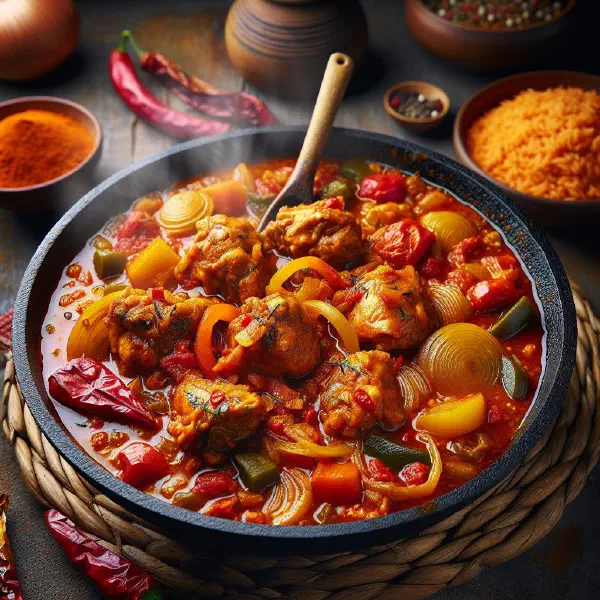
Discover Periwinkle Stew, a truly distinctive dish that captures the flavours of Nigeria. This hearty pot brings together tender periwinkles, small sea snails, with a rich blend of spices, ripe tomatoes and fresh vegetables. Every spoonful is a memorable taste of the West African coast, and it is just as comforting served over rice or scooped up with soft fufu. Bring a little of Nigeria’s coastal kitchen straight to your own table.
About Periwinkle Stew
Periwinkle Stew is a genuinely unique dish that reflects the aromas of Nigeria. This delicious speciality combines tender periwinkles with a savoury mix of spices, tomatoes and fresh vegetables. The way these ingredients come together makes for a memorable eating experience that celebrates the culinary variety of West Africa. Perfect with rice or fufu, the stew is nourishing and a creative treat for anyone at the table.
Ingredients (serves 1–2)
- 200g periwinkles (sea snails)
- 1 large onion, diced
- 2–3 tomatoes, diced
- 2 tablespoons vegetable oil
- 1 teaspoon paprika
- 1 teaspoon pepper
- Salt to taste
- Fresh parsley, to garnish
Shopping for the ingredients
When shopping for the ingredients for periwinkle stew, it is important to choose fresh produce. The periwinkles are an essential element and ideally should come from a trusted shop or a market that specialises in seafood. The fresh tomatoes and onions, meanwhile, are easy to find in most supermarkets or at a local market. Be sure to pick good-quality spices so you get the very best flavour from the finished dish.
Preparing the dish
Preparing periwinkle stew takes a few simple steps to get the fresh ingredients ready. Begin by cleaning the periwinkles thoroughly, making sure they are free of any sand and grit. Next, chop the vegetables, the onions and tomatoes, into even pieces, which helps everything cook at the same rate. Once all the ingredients are prepped, you are ready to move on to the next stage.
Step-by-step instructions
- Heat the vegetable oil in a pot over medium heat.
- Add the diced onions and fry until translucent.
- Stir in the diced tomatoes and let them soften.
- Add the periwinkles and the spices, then stir everything together well.
- Pour in a little water to reach a stew-like consistency.
- Cover the pot and let the dish simmer gently for about 15–20 minutes.
- Garnish with fresh parsley and serve.
Gluten-free / lactose-free version
Periwinkle stew is naturally gluten-free and lactose-free, which makes it a great choice for a range of dietary needs. It is worth checking that the spices and oils you use are also free from any gluten-containing additives. This is especially true of processed products, where a little care goes a long way.
Tips for vegans and vegetarians
Although periwinkle stew traditionally contains sea snails, there are some good alternatives for vegans and vegetarians. You might replace the periwinkles with grilled vegetables or a protein-rich ingredient such as lentils. The spices and the method stay the same, so you can keep the stew’s characteristic flavour. In this way the dish adapts easily to suit a variety of dietary requirements, much like a hearty Egusi Stew.
More tips and tricks
To turn periwinkle stew into a real flavour explosion, experiment with the spices to tailor the dish to your own taste. Try adding a little ginger or chilli for an extra touch of warmth. It is also important to keep an eye on the cooking time so the tender periwinkles do not overcook. With the right preparation, the stew is a perfect meal in both flavour and texture.
Adapting the recipe to your taste
Another advantage of periwinkle stew is how easily you can adapt it to your personal preferences. Add extra vegetables such as carrots or peppers to boost the nutritional value. You can also play with the heat, using different varieties of chilli or adjusting the amount of spices you add. This way you can rediscover the dish every time and give it your own individual touch.
Ingredient substitutions
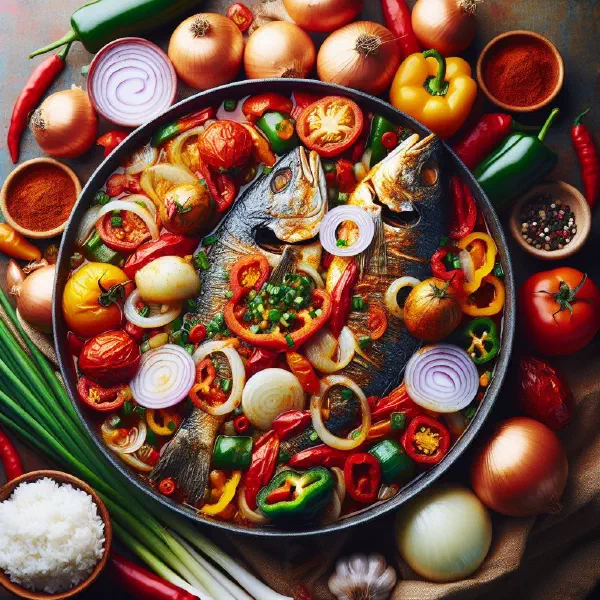
If certain ingredients for periwinkle stew are not available to you, there is always an alternative. Instead of fresh tomatoes you can use passata, while onions can be swapped for leeks. You might also try different oils to change the flavour. Be creative and do not be afraid to introduce new ingredients to make the recipe your own, the same spirit that runs through a coastal favourite like Fish Stew.
Drink pairing ideas
A hearty dish like periwinkle stew goes especially well with fresh drinks or light wines. A crisp white wine or a lightly chilled beer can round off the flavours beautifully. Homemade juices from fresh fruit are an appealing option too, while non-alcoholic choices such as coconut water are wonderfully refreshing. The right drink can complement the dish and turn the whole dinner into a memorable occasion.
Serving and presentation ideas
To present periwinkle stew attractively, play with colours and textures. Serve the stew in a nice bowl and garnish it generously with fresh parsley or other herbs. When it comes to the accompaniment, make sure the rice or fufu is well arranged too. An appealing presentation helps make the dish look even more appetising and heightens the whole eating experience.
A bit of history
Periwinkle stew has a long tradition in Nigerian cooking that reaches back to the country’s coastal communities. Sea snails are a popular food in many cultures and offer a versatile source of protein. Historically, the ingredients were often supplied by local farmers and fishermen, which helped root the dish firmly in the community. The influence of different ethnic groups has given rise to countless variations of the dish, each with its own unique flair, one of the many treasures of Nigerian cuisine.
More recipe ideas
Summary: Periwinkle Stew
In short, periwinkle stew is a piece of Nigerian culture on your plate. With its combination of fresh ingredients, spices and distinctive method of preparation, it invites you to discover the culinary variety of West Africa. The stew promises a memorable taste experience. Let it inspire you and enjoy this delicious speciality.