National Dish Nigeria: Steamed Beans (Recipe)
In this article
Discover Steamed Beans, a wholesome and endlessly versatile dish from Nigeria. Gentle steaming coaxes out the beans’ natural sweetness and leaves them with a lovely, tender bite. Fragrant with ginger, garlic and softened onion, it is nourishing comfort food that works just as happily as a hearty main as it does alongside a spread of West African favourites. Simple to make and deeply satisfying, it is a dish worth bringing to any gathering.
About Steamed Beans
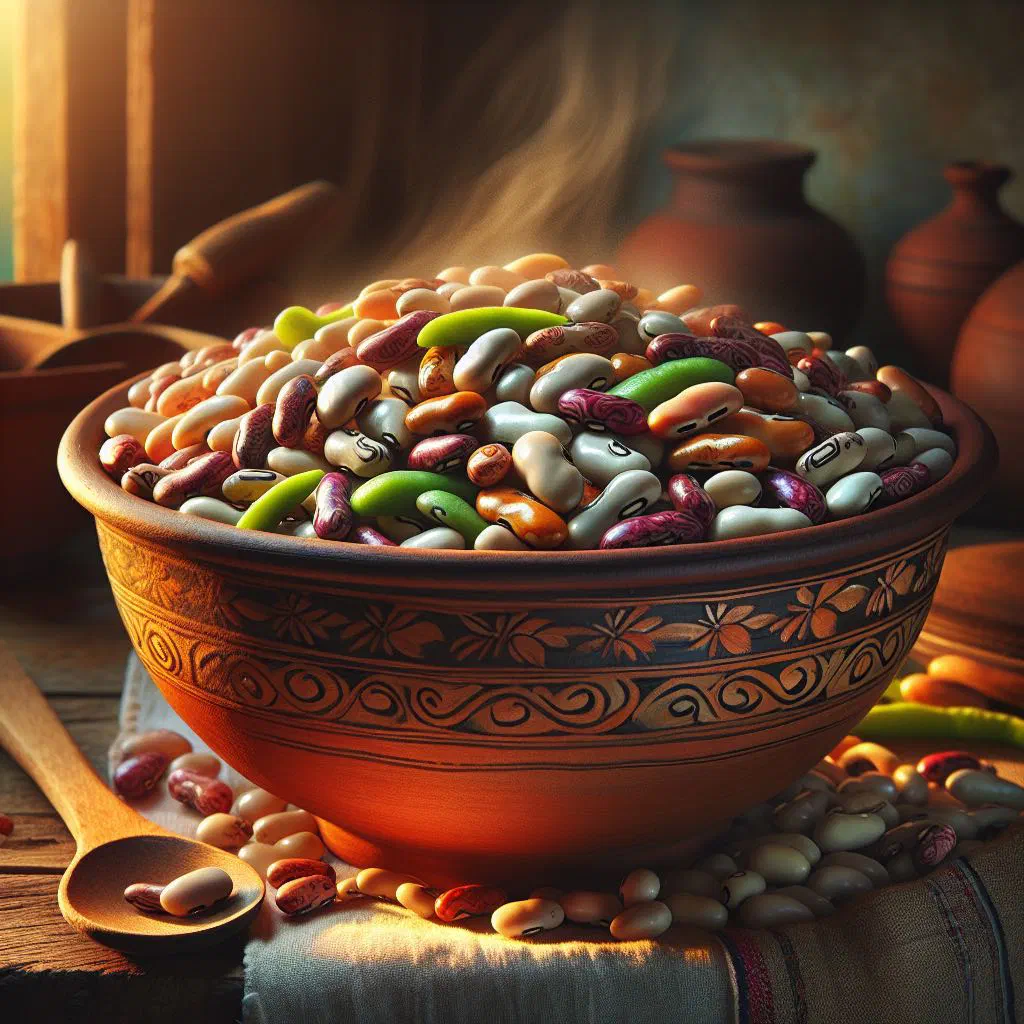
This traditional plate of steamed beans holds a central place in Nigerian cooking, prized for its rich flavour and its versatility. Nourishing and easy to prepare, it is full of natural aromas that come straight from good, honest ingredients. Steaming rather than boiling brings out the beans’ natural sweetness and gives them a pleasing, creamy texture. Steamed beans are a firm favourite and an excellent choice for any get-together or celebration.
Ingredients (serves 1–2)
- 300 g black-eyed beans or kidney beans
- 1 small onion, diced
- 1 piece of ginger, grated
- 2 cloves of garlic, chopped
- 1 teaspoon salt
- 1 tablespoon vegetable oil (optional)
- Water, for steaming
Shopping for the ingredients
The ingredients for steamed beans are usually easy to find in any well-stocked supermarket or at a local market. When buying the beans, look for good quality and fresh, undamaged packaging. Fresh produce such as onions and ginger should feel firm and be free of soft spots or discolouration. It is also worth reaching for organic and locally grown produce where you can, to get the very best freshness and flavour out of your meal.
Preparing the dish
Preparing steamed beans is refreshingly straightforward. Begin by soaking the beans in water overnight, which shortens the cooking time and makes them easier to digest. The next day, rinse the beans well and get the other ingredients ready, the onion, garlic and ginger. These fresh aromatics give the dish a wonderful depth of flavour you really do not want to miss. Get ready to enjoy the aromas as everything comes together.
Step-by-step instructions
- Place the soaked beans in a steamer or a pan fitted with a steaming insert.
- Add the diced vegetables, salt and any optional spices.
- Pour water into the base of the steamer or pan and bring it to the boil.
- Steam the beans for about 30–40 minutes, until they are soft.
- Just before serving, toss the beans with a little vegetable oil to bring the flavour to life.
Gluten-free / lactose-free version
Steamed beans are naturally gluten-free and lactose-free, since the main ingredient, the beans themselves, contains nothing that holds gluten. Simply take care to choose gluten-free options when picking your spices and oil. That way, anyone with allergies or intolerances can enjoy this delicious dish to the full. It is a recipe that suits a wide range of diets beautifully.
Tips for vegans and vegetarians
This recipe for steamed beans is ideal for vegans and vegetarians, as it contains no animal products at all. To make the dish even more generous, add extra vegetables such as peppers or carrots during steaming. This boosts both the nutritional value and the depth of flavour. Experiment with different herbs and spices to create your own version of this traditional dish, much as you would with a warming bowl of Ewa Agoyin.
More tips and tricks
If you want to make your steamed beans even tastier, try experimenting with spices typical of West African cooking, such as cayenne pepper or allspice. These flavours complement the natural sweetness of the beans wonderfully. A splash of coconut milk can also make the dish creamier and add new layers of flavour. And remember not to overcrowd the steamer, so everything cooks evenly.
Adapting the recipe to your taste
It is easy to adapt this steamed beans recipe to your own preferences. Feel free to vary the type of bean and try out different flavours. You might swap the onion for spring onions, or add extra spices to make the dish hotter. Little tweaks like these ensure every mouthful is unique and tailored to your individual taste.
Ingredient substitutions
If you do not have black-eyed beans or kidney beans to hand, other pulses such as chickpeas or lentils work well too. These are just as high in nutrients and bring their own flavours to the dish. You can also change the type of onion, shallots, for instance, to achieve different taste notes. Experiment with whatever you have available to create creative and delicious alternatives, in the same spirit as a comforting plate of Rice And Beans.
Drink pairing ideas
Refreshing drinks pair best with a dish like steamed beans. A simple hibiscus tea, served hot or cold, complements the flavours and makes for a refreshing accompaniment, much like a chilled glass of Zobo Drink. Alternatively, natural fruit juices such as pineapple or mango juice round off the taste of the beans nicely. For alcohol-free options, mixed lemonades or sparkling water are ideal for lifting the meal and keeping it refreshing.
Serving and presentation ideas
Presentation can make a real difference to the overall impression of your meal. Serve the steamed beans in attractive bowls or on pretty plates and garnish with fresh herbs such as parsley or coriander. Colourful vegetables on the plate add visual appeal and whet the appetite. Consider drizzling the dish with a little flavoured oil to heighten both its look and its taste.
A bit of history
Steamed beans have their origins in West African cooking and are a firm part of Nigeria’s food culture. In this part of the world, beans are a staple and rich in nutrients and fibre. Traditionally, this dish was handed down from generation to generation and reflects the culinary diversity of Nigerian cuisine. Preparing the beans by steaming rather than boiling is a technique that helps preserve their nutrients and natural flavour at their best.
More recipe ideas
Summary: Steamed Beans
In short, steamed beans are a delicious, nourishing and versatile dish from Nigeria. Their simple preparation makes them suitable for any occasion, while the flavours of West African cooking lend every mouthful real depth. By adapting the recipe to your personal preferences and using fresh ingredients, you can make this traditional dish entirely your own. It is not only a treat for the palate but a boost for your health too.