National Dish Nigeria: Vegetable Fufu (Recipe)

In this article
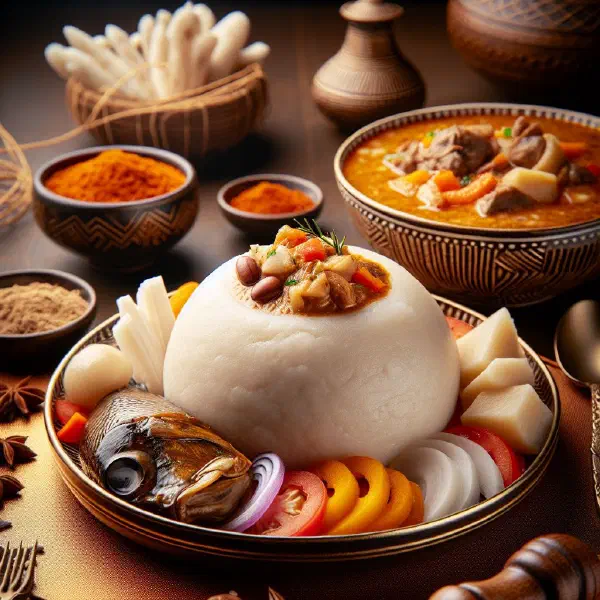
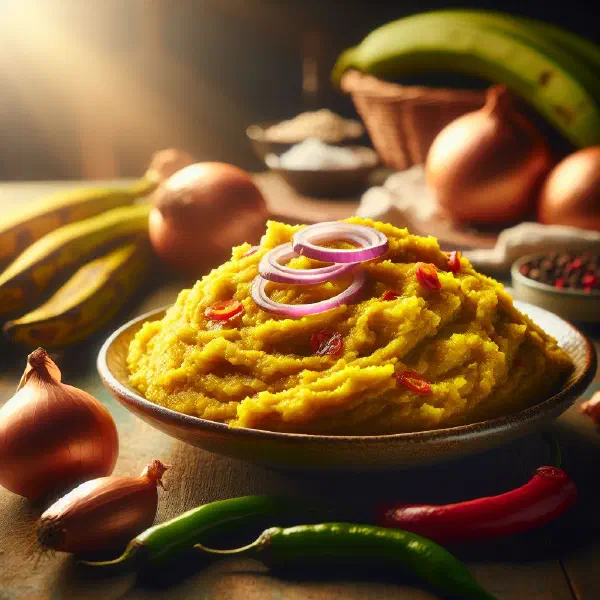
Say hello to Vegetable Fufu, a fresh and nourishing twist on one of West Africa’s most beloved staples. This dish marries the silky, satisfying texture of classic fufu, traditionally built from cassava or plantain, with a colourful medley of leafy greens and aromatics. It works beautifully as a wholesome main in its own right or as a comforting partner to a rich stew or sauce. Endlessly adaptable and packed with goodness, it brings the warmth of the Nigerian kitchen straight to your table.
About Vegetable Fufu
The Nigerian kitchen offers a wealth of delicious and nourishing dishes, and Vegetable Fufu is without doubt one of the most intriguing. It combines the signature velvety texture of fufu, whose base is usually cassava or plantain, with a selection of fresh, flavourful vegetables. Not only does it make a wonderful accompaniment to stews and sauces, it also stands up perfectly well as a healthy main course. The mix of different greens makes it especially versatile and easy to adapt to a range of tastes.
Ingredients (serves 1–2)
- 350 g cassava or plantain
- 200 g spinach or other leafy greens
- 1 small onion
- 2 cloves of garlic
- 1 teaspoon salt
- Water, as needed
- Optional: spices such as nutmeg or cayenne pepper
Shopping for the ingredients
When shopping for Vegetable Fufu, there are plenty of options to choose from. The main ingredients, such as cassava or plantain, are easy to find in most Asian or African grocery shops. Fresh vegetables like spinach are best bought seasonal and local, to guarantee the finest flavour and the highest nutrient content. Do take care that everything is fresh and free from blemishes, so your finished dish tastes as good as it possibly can.
Preparing the dish
Preparing Vegetable Fufu is simple and fuss-free. Begin by peeling the cassava or plantain, taking care to remove any small imperfections. Chop the vegetables and onion into small pieces so that everything cooks through evenly. The greens can also be blanched in advance, which helps to intensify the flavours and shortens the overall cooking time.
Step-by-step instructions
- Bring the peeled cassava or plantain pieces to the boil in a pan of water and cook until soft, around 15–20 minutes.
- Briefly blanch the greens (such as spinach) in a separate pan, then sauté them with the onion and garlic in a frying pan.
- Drain the cooked cassava or plantain and mash it in a bowl with a fork or a potato masher until smooth.
- Fold the sautéed vegetables through the mash and season to taste with salt and spices.
- Knead the mixture well until it is elastic and smooth, adding a little water if needed.
- Arrange on a plate and serve piping hot.
Gluten-free / lactose-free version
The recipe for Vegetable Fufu is naturally gluten-free and lactose-free, which makes it an excellent choice for anyone with those intolerances. Every ingredient used is gluten-free, provided you make sure no cross-contaminated products creep in during preparation. Likewise, sticking to the core ingredients guarantees the dish contains no dairy. This makes it both wholesome and suitable for a wide range of dietary needs.
Tips for vegans and vegetarians
For vegans, Vegetable Fufu is a first-rate choice, since it is an entirely plant-based dish. The varied selection of greens delivers a wide range of nutrients and vitamins that are important for a balanced diet. To make it even more nourishing, you could add pulses such as chickpeas or lentils. These provide extra protein and make the dish more filling and satisfying still.
More tips and tricks
A few simple tips will help you get your Vegetable Fufu just right. Take care not to overcook the greens, so they keep their colour and their goodness. Adding fresh herbs such as parsley or coriander can lend the dish a lovely lift. Experiment with different vegetables to discover new flavours and tailor the recipe to your own preferences.
Adapting the recipe to your taste
One of the best things about Vegetable Fufu is how versatile it is. You can easily adapt the recipe by using different vegetables and spices. Try adding root vegetables such as carrots or sweet potatoes, for instance, to bring in a gentle sweetness. You can also pair the dish with a variety of sauces to create fresh flavour combinations every time.
Ingredient substitutions
If some of the ingredients for Vegetable Fufu are not available, there are plenty of alternatives you can turn to. Cassava, for example, can be swapped for rice or teff, while the choice of greens is easily varied. The spices can be adjusted too, depending on what you prefer or have to hand. This lets you shape the recipe around your personal taste and whatever is in season.
Drink pairing ideas
To round off the Vegetable Fufu experience, you can pair it with a range of drinks. Homemade lemonade or ginger tea make refreshing companions that complement the flavours of the dish beautifully. Alternatively, a light red wine from the region would be an interesting choice to draw out the flavours. Try different combinations to find the drink that suits you best.
Serving and presentation ideas
The presentation of Vegetable Fufu can be lifted with a few creative touches. Serve the dish on a large, colourful plate and garnish it with fresh herbs or edible flowers. Use small bowls for sides or dips to make the meal more inviting. The choice of tableware can also have a big impact on how your dish looks, so experiment and find your own personal style. It is especially lovely alongside a bowl of Fufu with Egusi Soup.
A bit of history
Fufu has a long tradition in the West African kitchen and is found across many countries. In Nigeria it was originally made from fermented cassava or plantain before evolving into various forms. Vegetable Fufu is a modern interpretation that folds in fresh vegetables to boost its nutritional value. This development reflects the growing appetite for healthy eating and shows just how adaptable Nigerian cuisine can be.
More recipe ideas
- Egusi Soup — a nourishing stew made with ground melon seeds.
- Suya — grilled meat skewers in a spicy groundnut marinade.
- Pounded Yam — a traditional side prepared much like fufu.
- Moi Moi — a steamed bean pudding with fresh vegetables.
- Jollof Rice — a spiced rice dish loved across many West African countries.
Summary: Vegetable Fufu
In the end, Vegetable Fufu is a tasty, healthy and versatile dish that shows off the flavours of the Nigerian kitchen wonderfully. With straightforward preparation steps and a wide choice of ingredients, you can create your own version of this traditional favourite. Whether as a side to a hearty sauce or as a flavourful main course, it is an excellent choice for vegan and vegetarian cooking. Give it a go and let the delicious flavours of this Nigerian speciality win you over.