National Dish North Macedonia: Ajvar (Recipe)
In this article
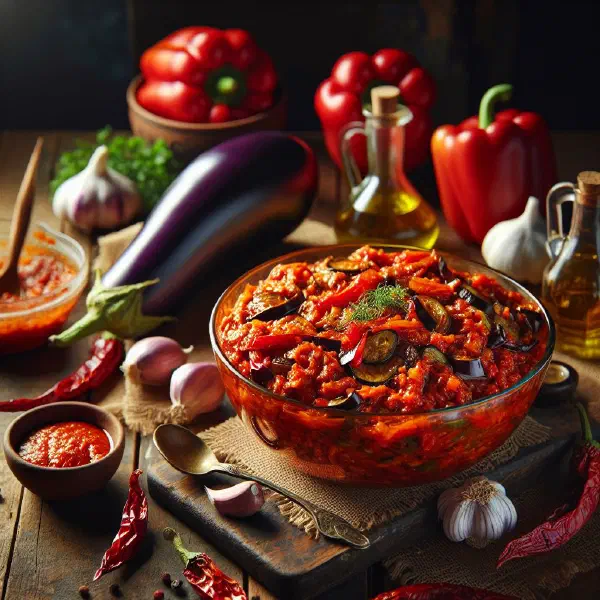
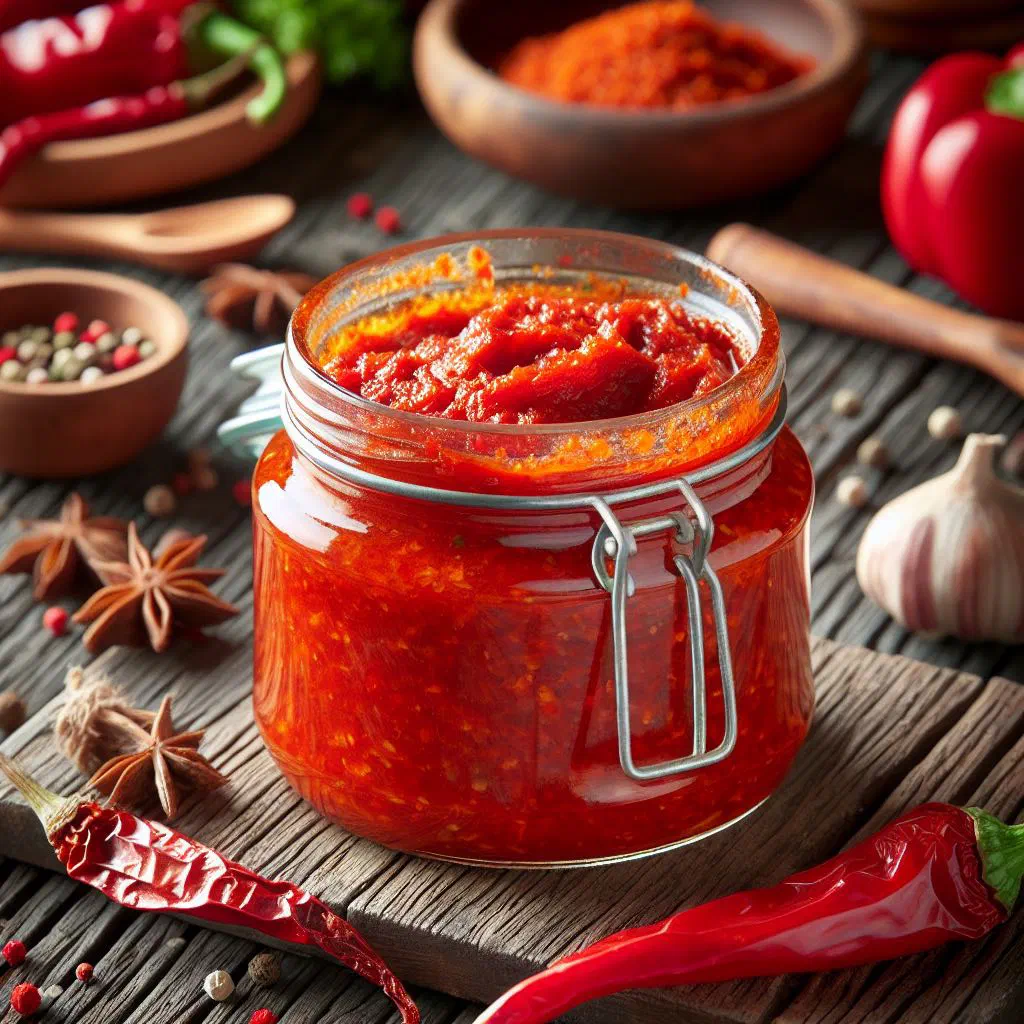
Discover Ajvar, the very good roasted pepper relish that sits at the very heart of North Macedonian cooking. Smoky, glossy and gently sweet, this deep red spread turns humble red peppers and aubergine into something you will want to slather on everything. Often nicknamed “Balkan caviar”, it is the sort of dish that graces every autumn table and keeps a taste of summer alive right through the colder months. Bring a jar of the Balkans into your own kitchen with this authentic recipe.
About Ajvar
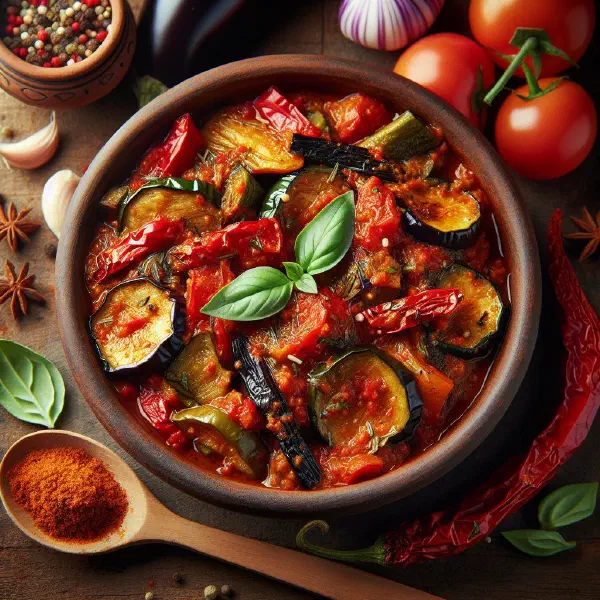
Ajvar is a traditional dish from North Macedonia made mainly from red peppers and aubergine. It is a savoury pepper relish, served as an accompaniment to all manner of dishes, and it wins people over with its unmistakable smoky-sweet flavour. Beloved by locals and food lovers around the world alike, ajvar is wonderfully versatile, spooned onto bread, stirred through pasta or served alongside grilled meats. Its rich colour and deep taste make it a true cornerstone of the Balkan pantry.
Ingredients (serves 1–2)
- 3 red peppers
- 1 aubergine
- 2 cloves of garlic
- 2 tablespoons olive oil
- Salt and pepper to taste
- Optional: a pinch of sugar
Shopping for the ingredients
For the best result, we recommend using fresh, good-quality ingredients. When shopping, look for ripe, plump red peppers and a firm aubergine, as these give the relish its full body and sweetness. Organic produce can lift the flavour even further, so it is worth seeking out where you can. A visit to a local market often turns up the ripest peppers of the season.
Preparing the dish
Before you begin cooking in earnest, the vegetables need a little groundwork. Wash and dry the peppers and the aubergine so they roast cleanly. Preheat the oven to 220°C. Having your garlic peeled and your bowls to hand makes the peeling stage that follows much smoother and keeps the whole process relaxed.
Step-by-step instructions
- Place the peppers and aubergine on a baking tray and roast in the oven for about 25–30 minutes, until the skins begin to blister and blacken.
- Take the roasted vegetables out of the oven and put them in a bowl. Cover with a damp cloth and let them rest for around 15 minutes.
- After resting, peel the skins from the peppers and aubergine and finely chop the flesh.
- Peel the garlic and chop it finely.
- Heat the olive oil in a pan, briefly sauté the chopped garlic, then add the chopped pepper and aubergine.
- Mix everything well and season with salt, pepper and, if you like, a pinch of sugar.
- Let the ajvar simmer over medium heat for about 10–15 minutes, until it reaches the consistency you want.
Gluten-free / lactose-free version
Ajvar is naturally both gluten-free and lactose-free, which makes it a brilliant choice for guests with dietary restrictions. There is no wheat or dairy in the recipe at all, so you can serve it with confidence. Simply pair it with gluten-free bread or crackers, and everyone at the table can dig in without a second thought.
Tips for vegans and vegetarians
Ajvar is naturally vegan, so you can enjoy this recipe with a clear conscience if you prefer a plant-based diet. Just take care that the olive oil you use is good quality and cold-pressed, as it carries much of the dish’s richness. Fresh, seasonal peppers make all the difference to the final flavour, so choose the ripest ones you can find.
More tips and tricks
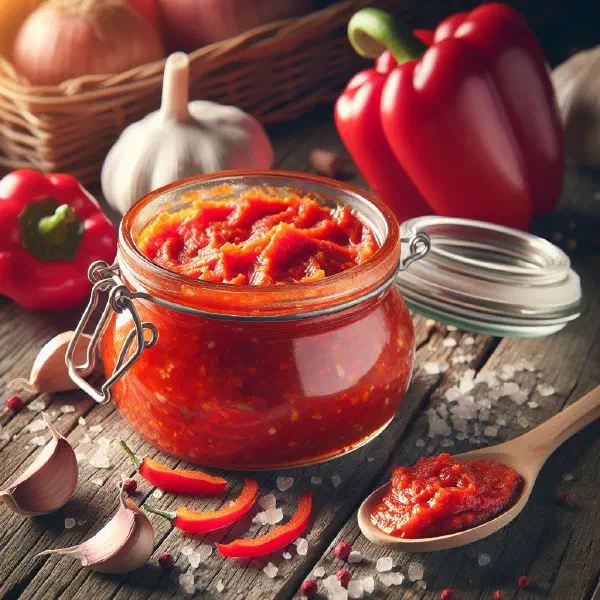
For an even deeper flavour, you can roast the peppers directly over an open flame, which brings out a wonderful smokiness. You can also spoon the finished ajvar into sterilised jars and keep it in the fridge, where it will last for several weeks. Made in a big batch this way, it captures the taste of summer to enjoy long after the peppers are gone.
Adapting the recipe to your taste
Depending on your palate, you can stir extra spices such as paprika or chilli into the ajvar for more warmth and colour. Roasted onions also go beautifully with it and add a mellow sweetness. If you enjoy a chunkier texture, simply chop the vegetables more coarsely, or blend them for a smoother spread. This is a recipe that happily bends to your preferences.
Ingredient substitutions
If you are not keen on aubergine, you can leave it out and use extra red peppers instead, in the style of a Pečena Paprika. Likewise, you can swap the olive oil for another vegetable oil, such as rapeseed oil. These small changes let you adapt the relish to what is in your cupboard while keeping its signature smoky character intact.
Drink pairing ideas
Ajvar pairs wonderfully with light, dry white wines or a well-chilled beer, both of which balance its rich sweetness. If you prefer something without alcohol, sparkling mineral water with a squeeze of lemon makes a refreshing match. A glass of crisp rosé also works nicely when ajvar is served as part of a summery spread.
Serving and presentation ideas
Serve ajvar in small dishes or on a large platter, garnished with fresh herbs such as parsley or basil. Fresh bread or crackers alongside are ideal for scooping, and a spoonful next to a crisp Shopska Salata makes for a colourful mezze table. A drizzle of olive oil over the top gives it an inviting sheen.
A bit of history
Ajvar has a long tradition across the Balkan region and is often called “Balkan caviar”. It was originally made as a way to preserve peppers for the winter, when families would gather to roast whole crates of them at once. Over time it has become a firmly established part of North Macedonian cuisine and a proud symbol of home cooking, sitting comfortably among the great classics of North Macedonian cuisine.
More recipe ideas
Summary: Ajvar
Ajvar is a tasty, endlessly versatile dish that is simple to prepare and fits into any kitchen. Whether as a side, a dip or a spread in its own right, ajvar is always a treat, bringing a smoky, gently sweet warmth to the table. Give it a go and discover the wonderful variety of this traditional North Macedonian relish for yourself, your taste buds will thank you.