National Dish North Macedonia: Boza (Recipe)

In this article
Meet Boza, the gently fizzing, malty drink that has kept the Balkans refreshed for generations. Made from fermented grain and touched with a mild sweet-sour tang, it is thick enough to sip slowly yet cooling enough to lift a warm afternoon. Once the everyday fuel of farmers and labourers, this humble North Macedonian classic has found new fans among those who love wholesome, probiotic drinks. Brew a batch at home and bring a taste of the Balkans to your own glass.
About Boza
Boza is a much-loved traditional drink in North Macedonia, made from fermented grain. Most often it is prepared with wheat or maize, which give it its characteristic body and that gently sweet-and-sour flavour. In recent years boza has gained a following well beyond the Balkans, as more and more people discover its health-giving qualities. It is a refreshing thirst-quencher and rich in nutrients such as vitamins and minerals, making it as nourishing as it is enjoyable.
Ingredients (serves 1–2)
- 100 g wheat or maize (whole or ground)
- 1 litre water
- 100 g sugar
- 10 g yeast
- 1 pinch of salt
Shopping for the ingredients
For boza it really matters to choose good-quality produce. Look for wheat or maize that is fresh and of a high standard. Local markets often stock traditional grains that are ideal for this kind of preparation. Yeast is easy to find in most supermarkets, but if you have any trouble tracking it down, specialist Middle Eastern or Balkan grocers are a reliable source. A little care at the shopping stage pays off in the finished drink.
Preparing the dish
Before you begin, it is worth having every ingredient within easy reach. Measure out the quantities you need and make sure you have a large container ready for the fermentation. It also helps to choose a suitable spot for fermenting, somewhere that is neither too cold nor too hot. Bear in mind that the fermentation time is the key to boza, as this is what develops the flavour you are after.
Step-by-step instructions
- Rinse the wheat or maize well and soak it in a large pan of water.
- After 8–10 hours, drain off the water and blend the grain to a purée.
- Combine the puréed grain with 1 litre of fresh water and stir thoroughly.
- Add the sugar and a pinch of salt, then mix everything together well again.
- Dissolve the yeast in a little water and stir it into the mixture.
- Cover the container and leave it to ferment in a warm place for 24–48 hours.
- Once fermented, stir well and pour into bottles.
- Store in the fridge and serve well chilled.
Gluten-free / lactose-free version
To make Boza gluten-free, simply use maize in place of wheat. Check that all your other ingredients are gluten-free too, particularly the yeast. The method stays the same, though you may need to adjust the fermentation slightly, as maize tends to ferment a touch faster. Boza is naturally lactose-free, so it poses no problem for most people on a dairy-free diet.
Tips for vegans and vegetarians
For vegans and vegetarians, boza is an ideal drink, as it is entirely plant-based and made from natural ingredients. The grain also makes it a surprisingly good source of protein. Just take care that the yeast contains no animal-derived additives, and stick consistently to vegan-friendly components. Boza also takes beautifully to plant-based flavourings such as cinnamon or vanilla.
More tips and tricks
To vary the taste of your boza, try adding different flavourings such as cinnamon or vanilla extract. You can also experiment with the amount of sugar to find the level of sweetness that suits you best. For a creative presentation, serve the drink in pretty glasses with a hint of cinnamon stick or a few mint leaves. Make sure the bottles are well sealed so that the fermentation is not disturbed.
Adapting the recipe to your taste
The recipe for boza is easy to adjust to personal preference. Experiment with different grains to discover new flavour directions. You can also vary the consistency of the drink to your liking by using more or less water. If you want to deepen that signature sweet-sour character, try giving it a longer fermentation time. Little tweaks like these let you make the drink truly your own.
Ingredient substitutions
If you do not have wheat or maize to hand, you can also use rye or millet to make boza. These grains bring an interesting flavour variation of their own and are just as wholesome. For a lower-calorie version, reduce the sugar or reach for an alternative sweetener such as agave syrup. Substitutions like these make it easy to adapt the drink to different diets and tastes.
Drink pairing ideas
Boza sits happily alongside other traditional Balkan favourites, serve it with a spread of Ajvar for a rounded, full-flavoured experience. A refreshing herbal tea can be a lovely accompaniment too. For a sociable gathering, a mix of boza and fruit juice is a fun way to vary the flavours. These combinations turn your next get-together into something memorable, especially as part of a wider North Macedonian cuisine table.
Serving and presentation ideas
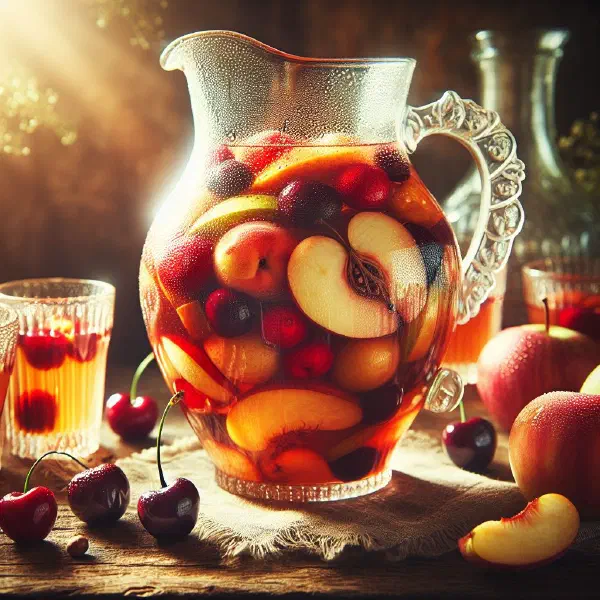
To serve boza at its most appealing, choose eye-catching glasses or tumblers that show the drink off well. Add a few ice cubes to chill it and heighten its refreshing effect. You could garnish it with a scatter of decorative fruit or a sprig of herbs for extra visual appeal. A stylish presentation makes for a special moment of enjoyment at the table.
A bit of history
Boza has a long tradition across the Balkans and is enjoyed in many countries of the region. It was originally developed as a nourishing drink for workers and farmers, giving them a welcome boost of energy. Over the years it has become a household staple, often served at celebrations and family gatherings. The recipes vary from region to region, reflecting the cultural richness of the area and the deep affection people hold for this drink.
More recipe ideas
Summary: Boza
Boza is a delicious traditional drink that can be prepared with wonderfully simple means. It offers a unique flavour and plenty of health benefits. Experiment with different grains and ways of serving it to create your own personal taste experience. Enjoy the flavours of the Balkans and share this special drink with friends and family.