National Dish North Macedonia: Gibanica (Recipe)
In this article
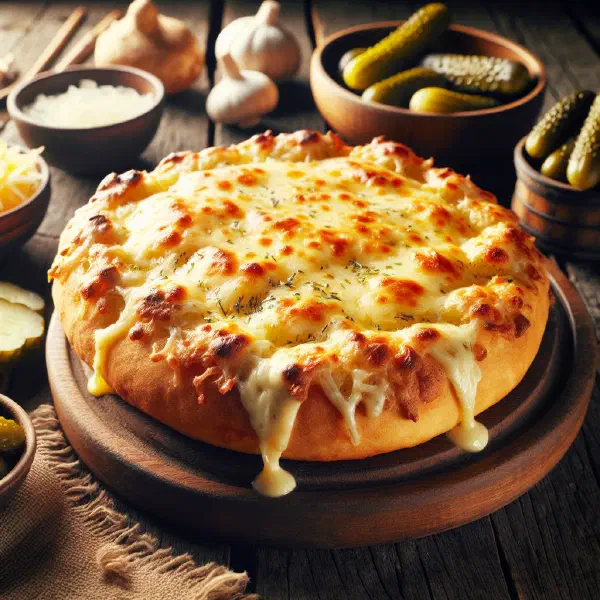
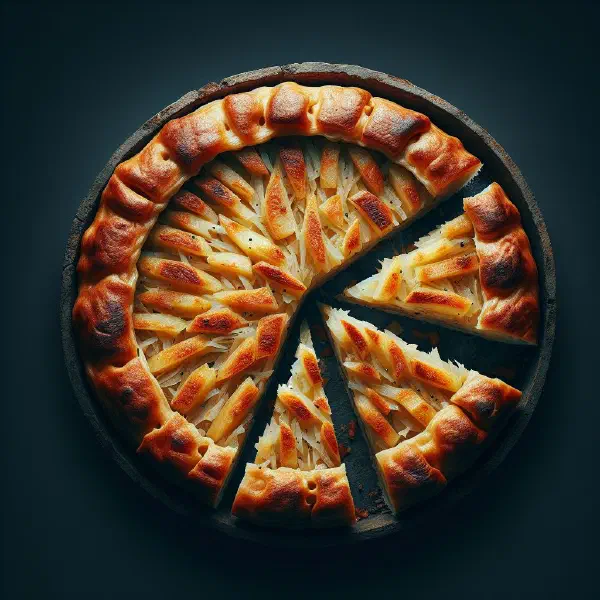
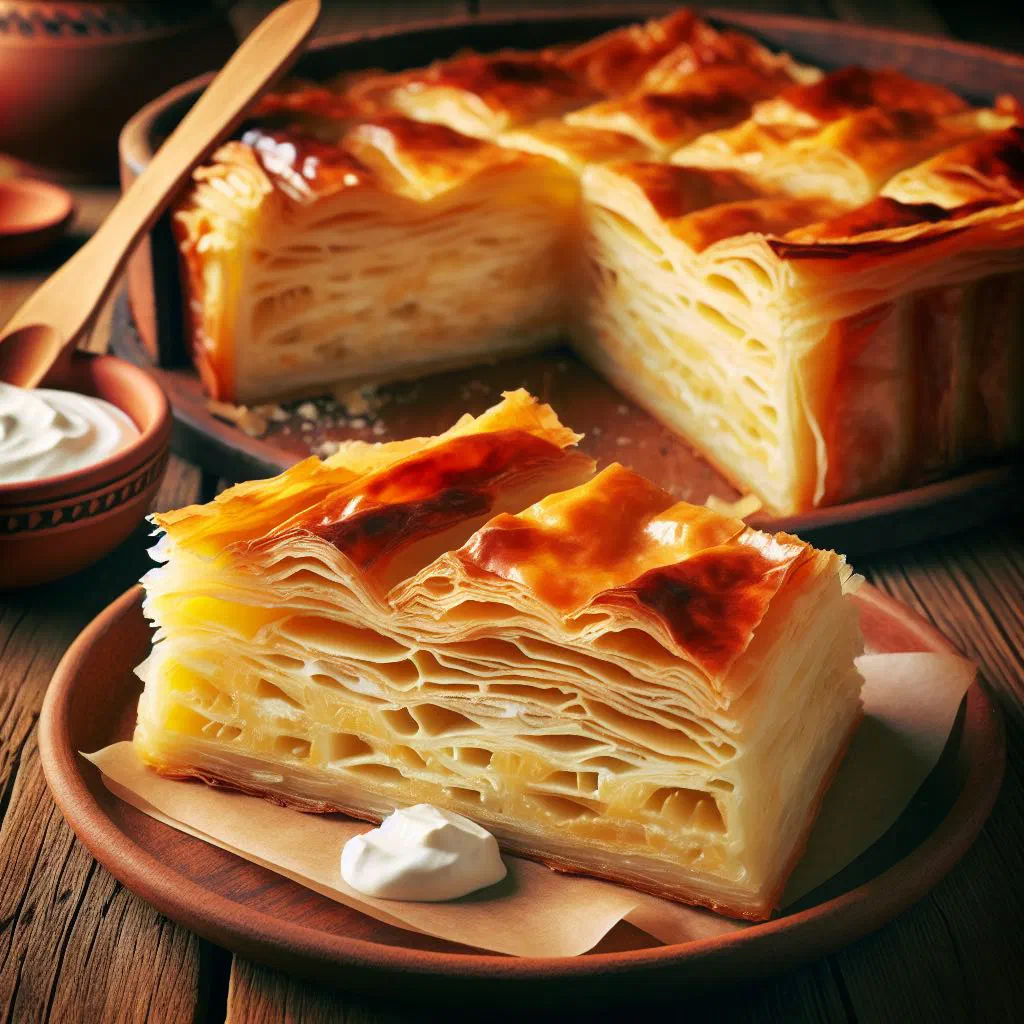
Discover Gibanica, the savoury layered pie that sits at the heart of North Macedonian cooking. Flaky sheets of pastry are wrapped around a rich filling of cheese, eggs and yoghurt, then baked until golden and crisp. Simple yet deeply satisfying, it is just as welcome at a festive gathering as it is on an ordinary weeknight. Enjoy it warm from the oven, ideally with a fresh salad or a spoonful of yoghurt on the side.
About Gibanica
Gibanica is a truly traditional dish from North Macedonia that reflects the country’s rich food culture. Its appeal lies in a savoury filling of cheese, eggs and yoghurt, wrapped in delicate layers of pastry. The preparation is both easy and rewarding, which is why it turns up at special occasions and everyday meals alike. Serve gibanica warm from the oven, ideally alongside a crisp salad or a yoghurt-based sauce, and you have a dish that never fails to please.
Ingredients (serves 1–2)
- 250 g yufka or strudel pastry
- 200 g feta cheese
- 2 eggs
- 150 g yoghurt
- 50 ml water
- Salt and pepper, to taste
- 2 tablespoons olive oil
Shopping for the ingredients
The ingredients for gibanica are usually easy to find in a well-stocked supermarket or a specialist Balkan grocer. Yufka or strudel pastry is often kept in the freezer section and should be thawed thoroughly before use. Choose fresh feta cheese and a good-quality yoghurt to bring out the full flavour of the pie. For the eggs, local free-range produce will give you a richer taste and a better result all round.
Preparing the dish
Preparing gibanica begins with mixing the filling. First, crumble the feta cheese into a large bowl, then add the eggs and the yoghurt. Stir everything together thoroughly until you have a smooth, even mixture. Remember to season with salt and pepper to taste. While the filling comes together, you can already brush your baking tin with olive oil, ready for greasing the pastry sheets.
Step-by-step instructions
- Preheat the oven to 180°C.
- Lay a sheet of yufka pastry into the greased tin and brush it lightly with olive oil.
- Spread an even layer of the filling over the pastry.
- Repeat the process, layering more pastry sheets and filling until all the ingredients are used up.
- Finish the top layer with a little water and olive oil to encourage a lovely crust.
- Bake the gibanica in the preheated oven for about 35–40 minutes, until golden brown.
Gluten-free / lactose-free version
Traditional gibanica adapts easily for gluten and lactose intolerances. For a gluten-free version, use gluten-free pastry or one made from almond or rice flour. Instead of feta, you can reach for lactose-free cheese, and the yoghurt can be swapped for a plant-based alternative. These small adjustments let everyone enjoy the delicious flavours of gibanica without having to worry about their diet.
Tips for vegans and vegetarians
For a vegan version of gibanica, replace the eggs and yoghurt with plant-based alternatives, such as chickpea flour or silken tofu as an egg substitute. Vegan cheeses modelled on feta work well in place of the dairy, too. Don’t forget to add plenty of herbs and spices to intensify the flavour. That way the gibanica stays every bit as delicious while meeting the needs of a plant-based diet.
More tips and tricks
A few simple tips can make gibanica even more enjoyable. Take care to keep the pastry layers well moistened to stop them drying out. You can also tear the edges of the pastry sheets slightly before folding to create a rustic, playful look. During baking, checking the pie regularly helps you achieve even cooking and a lovely golden colour throughout.
Adapting the recipe to your taste
Gibanica is wonderfully adaptable, so you can shape it to your own preferences. Add spinach, peppers or other vegetables to the filling for a healthier, seasonal twist, much like the greens that fill a hearty Zelnik So Sirenje. The choice of cheese can vary too, depending on your taste and what is available, letting you give your gibanica a personal signature.
Ingredient substitutions
If you don’t have certain ingredients to hand, there are plenty of practical alternatives. In place of feta you can use ricotta or any other tasty cheese substitute. The yoghurt can be swapped for sour cream if you prefer a different flavour. Keep in mind that the quality of the ingredients you choose has a big influence on the overall taste of the finished pie.
Drink pairing ideas
A range of drinks pairs beautifully with a slice of gibanica and helps bring out its flavours. A refreshing glass of lemon tea complements the savoury notes perfectly. A glass of white wine or a light beer also harmonises well with the pie. For an alcohol-free option, serve a fruity juice or sparkling water with lemon to lighten the meal. A cooling Boza makes another authentic Balkan choice.
Serving and presentation ideas
Presentation often shapes the first impression of a dish. Serve the gibanica in a rustic dish and garnish it with fresh herbs such as parsley or dill. You might also offer small bowls of yoghurt or homemade tomato sauce alongside. We eat with our eyes first, and a thoughtful presentation only adds to the pleasure, a spoonful of Ajvar on the side works a treat.
A bit of history
Gibanica has its roots in the traditional kitchens of the Balkans. Its origins can be traced back to the Middle Ages, when the recipe was passed down from one generation to the next. In North Macedonian culture, gibanica is often served at festive occasions, especially family celebrations and weddings. More than a mere dish, this culinary classic brings people together and creates a warm sense of community and home, a spirit you find right across North Macedonian cuisine.
More recipe ideas
Summary: Gibanica
Gibanica is far more than a simple pie; it embodies the very soul of North Macedonia. Its savoury flavours and straightforward preparation make it a perfect choice for any occasion. Gibanica brings a slice of Balkan flair to your table and invites you to share it with family and friends. Let this traditional dish inspire you and enjoy the wonderful variety of North Macedonian cooking.