National Dish North Macedonia: Macedonian Baklava (Recipe)
In this article
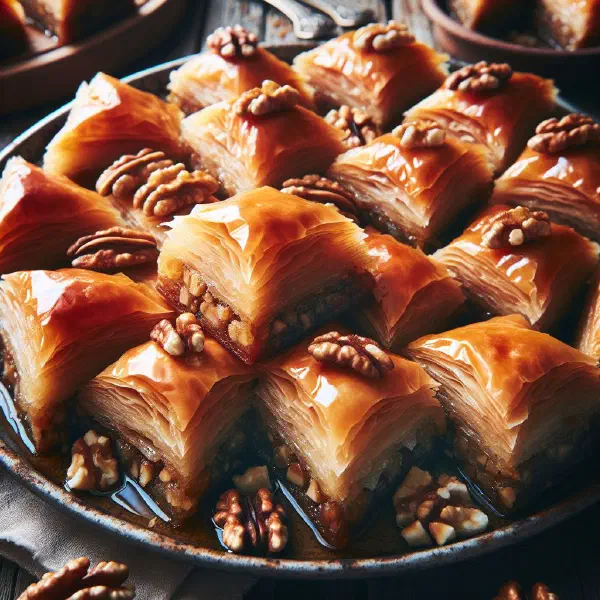
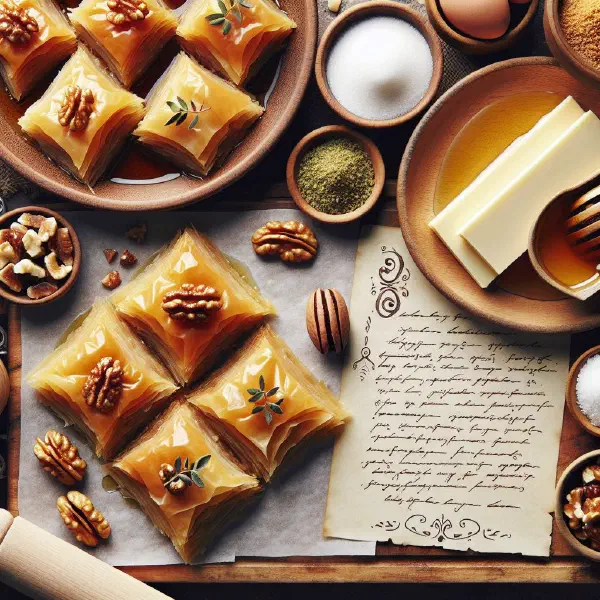
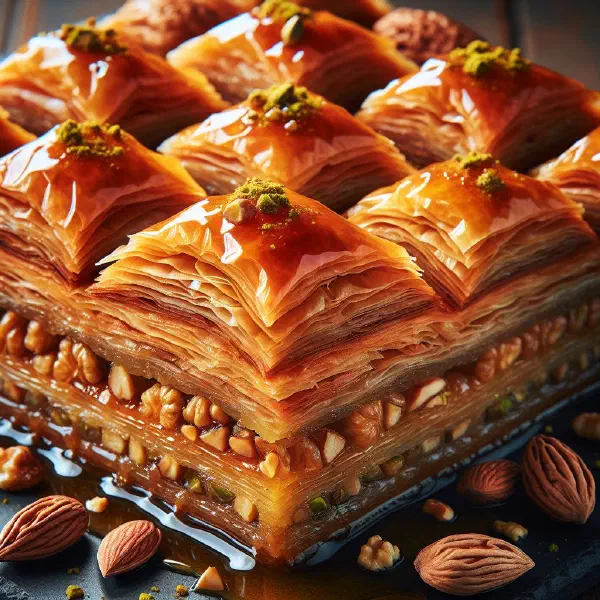
Meet Macedonian Baklava, a golden, syrup-soaked pastry that sits at the heart of North Macedonia’s celebrations. Wafer-thin sheets of dough are layered with a fragrant filling of chopped nuts and warm spice, baked until crisp, then drenched in sweet honey syrup. The result is a dessert that shatters delicately at the first bite before melting into sweetness. Reserved for weddings, feast days and moments of hospitality, it brings a taste of Balkan tradition straight to your table.
About Macedonian Baklava
Macedonian Baklava is far more than a simple sweet. It is a culinary experience that mirrors the flavours and traditions of North Macedonia. The dessert is built from thin sheets of dough, carefully layered and filled with a mixture of chopped nuts and aromatic spices. The interplay of crisp pastry and sticky syrup gives it an incomparable texture that wins you over from the very first bite. With a long history behind it, baklava is served with pride at festivals and special occasions across the country.
Ingredients (serves 1–2)
- 250 g filo pastry
- 150 g walnuts or almonds, chopped
- 100 g sugar
- 50 g butter, melted
- 1 tsp cinnamon
- 200 ml water
- 150 g honey
Shopping for the ingredients
When shopping for Macedonian baklava, it is well worth paying attention to the quality of your ingredients. Fresh nuts are essential, as they give the dessert its rich, rounded flavour. The filo pastry should also be as fresh as possible so you achieve that all-important crispness. Many of the ingredients you need are stocked in local supermarkets or in specialist ethnic grocery shops, which makes the whole preparation that much easier.
Preparing the dish
Preparation is a key step on the way to perfect baklava. Begin by mixing the chopped nuts with sugar and cinnamon. This blend is what gives the pastry its characteristic taste. At the same time, preheat the oven to 180°C so your baklava turns a beautiful golden brown as it bakes.
Step-by-step instructions
- Gently unroll the filo pastry and cut it into several equal-sized rectangles.
- Brush a layer of melted butter over the base of an ovenproof dish.
- Lay a sheet of filo on the butter and brush it with more butter.
- Scatter the nut mixture evenly over the pastry layer.
- Repeat this process until all the ingredients have been used up.
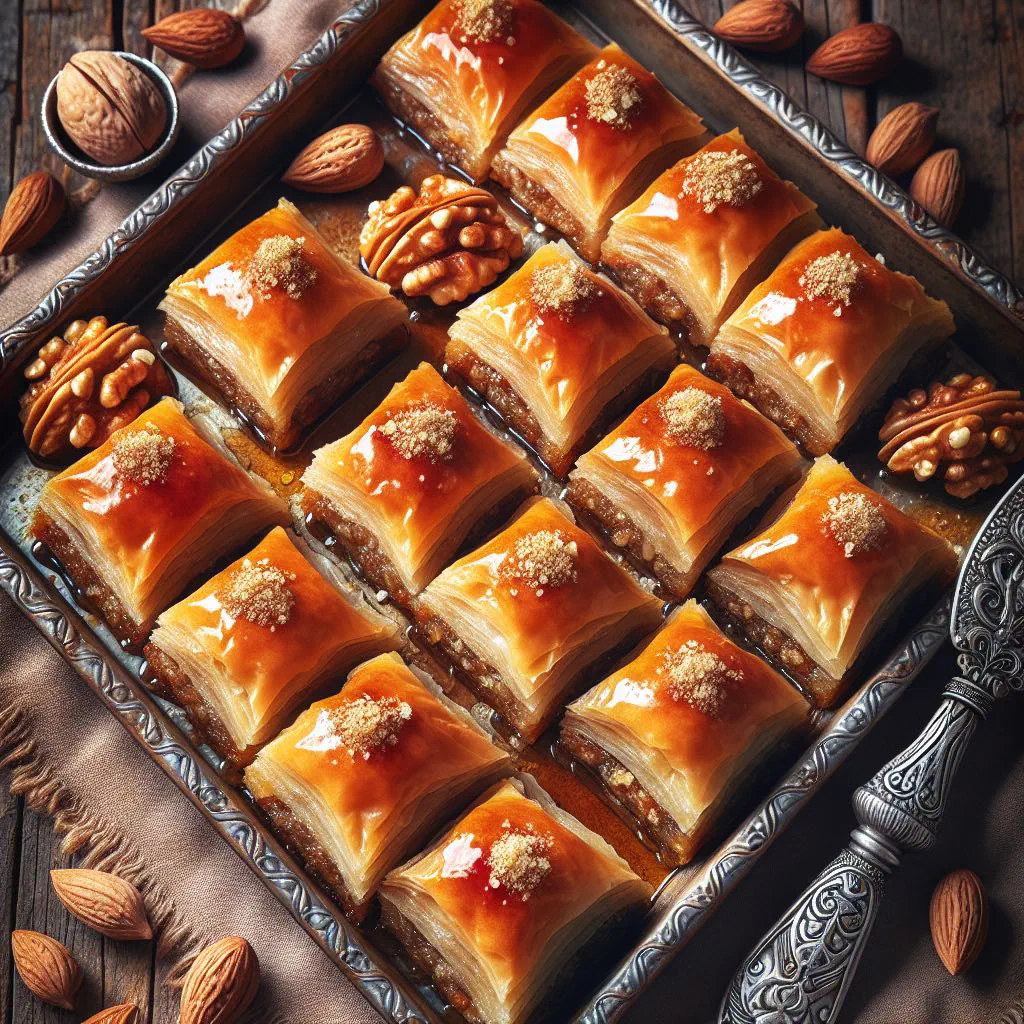
- Brush the top layer with butter and score it into diamond shapes.
- Bake the baklava in the preheated oven for around 30–40 minutes, until golden.
- For the syrup, bring the water and honey to the boil and let it simmer for a few minutes.
- Pour the syrup over the freshly baked baklava and leave it to cool.
Gluten-free / lactose-free version
Baklava adapts easily to particular dietary needs. You can use gluten-free filo pastry, which is now available in many shops. For a lactose-free version, swap the butter for plant-based oil or vegan butter. At the syrup stage you might also try sweeteners such as agave syrup or coconut blossom sugar to bring the baklava in line with a lactose-free diet.
Tips for vegans and vegetarians
Vegans can enjoy baklava too, with just a few simple swaps. In place of butter, reach for a vegetable oil or vegan margarine. The honey in the syrup can be replaced with maple syrup or agave syrup, giving you a sweet, fully plant-based option. With these tweaks the traditional sweetness stays intact while all animal products are left out, much like the approach used in a vegan-friendly Ravanija.
More tips and tricks
For the best results, make sure all your ingredients are well prepared before you start. If the filo pastry is too dry it can turn brittle during baking, so it is wise to keep it covered with a damp cloth. The syrup, meanwhile, should be fully cooled before it is poured over the hot baklava, which allows it to soak in evenly. Let the finished dessert rest for a few hours after baking so the flavours have time to develop.
Adapting the recipe to your taste
The beauty of Macedonian Baklava lies in its versatility. Depending on personal taste, you can use different nuts such as pistachios or hazelnuts. The amount of cinnamon can be adjusted to hit exactly the flavour you are after, and if you prefer things sweeter still, add a little more sugar or syrup to refine the dessert to your liking.
Ingredient substitutions
There are plenty of ways to vary baklava. Instead of walnuts, you can use other nuts or a mix to explore different flavours. For a new aromatic note, fold raisins or dried fruit into the nut mixture. The syrup, too, can be enhanced with other flavourings such as vanilla or orange blossom water, echoing the fragrant syrups poured over a slice of Tikvenik.
Drink pairing ideas
A sweet Macedonian baklava pairs beautifully with a Turkish coffee. A fruit tea or an aromatic black tea with a squeeze of lemon also make lovely companions. For special occasions, a glass of sparkling wine or rosé can be a well-balanced choice that draws out the pastry’s flavours all the more, turning every serving of baklava into a rounded, indulgent treat.
Serving and presentation ideas
An appealing presentation makes the dessert even more appealing. Serve the baklava on a decorative plate and garnish it with a scattering of chopped nuts or a pinch of cinnamon on top. A small bowl of sweet syrup for dipping can be a lovely addition too. Freshly brewed tea or coffee in stylish cups alongside makes the whole spread feel perfect and inviting, the same warm hospitality you would find with a plate of Krempita.
A bit of history
Baklava has a long history stretching back to antiquity. It is often said the recipe spread through Ottoman cuisine, influencing many countries across the region. Each has its own version, yet Macedonian Baklava upholds the traditions of North Macedonia. It is served with pride at celebrations such as weddings and religious holidays, standing as a symbol of hospitality within Macedonian culture and its wider North Macedonian cuisine.
More recipe ideas
Summary: Macedonian Baklava
Macedonian Baklava is an indispensable part of Macedonian cuisine, pleasing with its crisp layers and aromatic filling. The recipe’s adaptability means it can be tailored to different tastes and dietary needs alike. With the right preparation and presentation, baklava makes a wonderful addition to any dinner or festive gathering. Discover this sweet temptation and let yourself be charmed by a true cultural classic.