National Dish Norway: Fiskekaker (Recipe)
In this article
Meet Fiskekaker, Norway’s beloved fish cakes, golden, tender little patties that turn fresh fish, potatoes and a whisper of nutmeg into something genuinely comforting. They are quick to make, forgiving to cook and every bit as good as a light supper as they are packed cold into a lunchbox. Bring a taste of the Norwegian coast to your own kitchen with just a handful of everyday ingredients.
About Fiskekaker
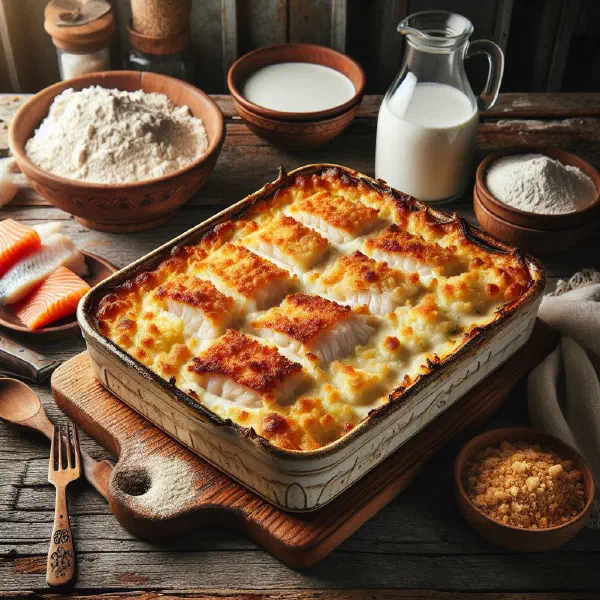
Fiskekaker is a very special dish from Norway that brings tradition and flavour together in the most delicious way. These fish cakes are made from fresh fish, potatoes and aromatic spices, which gives them a distinctive, warming character. They are simple to prepare and enormously versatile. Fiskekaker are a hit with every family and a wonderful example of Scandinavian cooking.
Ingredients (serves 1–2)
- 250 g fresh fish (cod or salmon, for example)
- 150 g floury potatoes
- 1 small onion
- 1 egg
- 2–3 tablespoons cream or milk
- 1 teaspoon salt
- 1/2 teaspoon pepper
- 1/2 teaspoon nutmeg
- Butter or oil, for frying
Shopping for the ingredients
For fiskekaker you want fresh, good-quality ingredients. The best place to start is a local fish market or the fresh counter at your supermarket. Check that the fish smells clean and fresh and that the flesh has a natural colour. The potatoes should be firm and free of bruises too, as this gives you the best possible texture in the finished cakes.
Preparing the dish
Before you start cooking fiskekaker, get all your ingredients ready. The potatoes need to be peeled and cut into cubes so that they cook through evenly. The onion should be finely chopped to spread the flavour throughout the mixture. The fish can be cut into small pieces, which makes it much easier to work with at the next stage.
Step-by-step instructions
- Boil the potatoes in a large pan of salted water until soft, then leave them to cool.
- Meanwhile, combine the fish with the chopped onion in a bowl.
- Mash the cooled potatoes and add them to a bowl along with the fish, egg, cream, salt, pepper and nutmeg.
- Mix everything thoroughly until you have a smooth, even mixture.
- Heat a pan with a little butter or oil and shape the mixture into small patties.
- Fry the cakes over a medium heat until golden and crisp, roughly 3–4 minutes per side.
- Serve the fiskekaker hot with a dip or a side of your choice.
Gluten-free / lactose-free version
If you eat gluten-free or lactose-free, you can swap the cream for a plant-based alternative such as soya or almond milk. For gluten-free cooking, simply use gluten-free flour or potato starch to bind the mixture. Do check the ingredients you use carefully to be sure they really are free from gluten or lactose.
Tips for vegans and vegetarians
For anyone eating vegan or vegetarian, there are creative alternatives to fiskekaker. You could replace the fish component with mashed chickpeas or a mixture of tofu and seaweed to conjure up a fish-like aroma. Potatoes, vegetables and spices remain the backbone of the recipe, which guarantees a delicious result. This gives you the chance to adapt the dish to your needs in a flavourful way without giving up any of the pleasure.
More tips and tricks
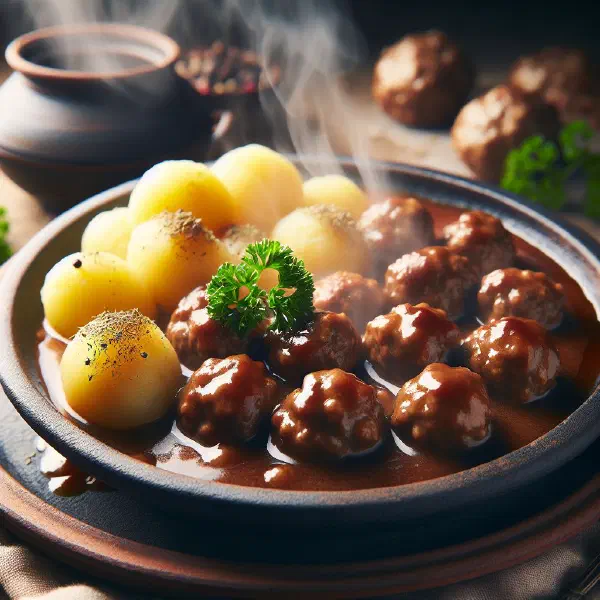
One important tip when making fiskekaker is not to over-mix the mixture, so the cakes keep their delicate texture. Do not fry them for too long either, or they will dry out. Use a non-stick pan to stop them sticking. Most importantly of all, enjoy the cooking and shape the recipe around your own preferences, the same relaxed approach that works so well for Kjottkaker.
Adapting the recipe to your taste
Give yourself permission to experiment with different flavours and create your own fiskekaker. Add fresh herbs such as dill or parsley for an extra layer of taste. The choice of fish can vary too. Try other varieties, or even a mixture of several kinds. A little creativity in the kitchen can lead to a completely new flavour experience.
Ingredient substitutions
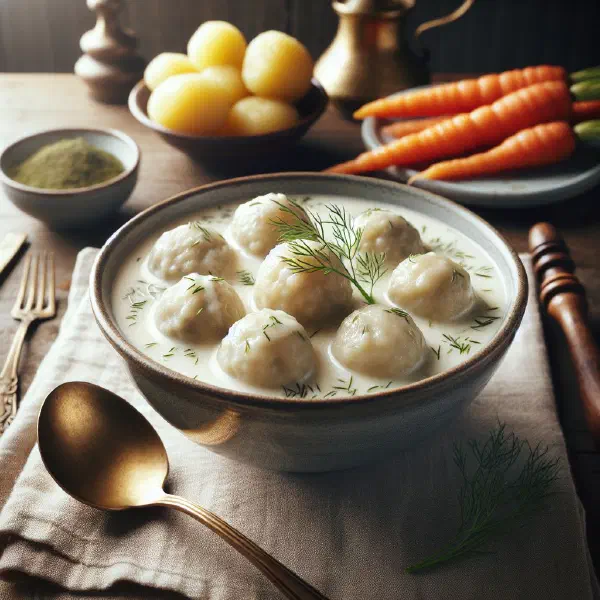
The ingredients in this recipe are easy to adjust. If you cannot get hold of fresh fish, well-thawed frozen fish works perfectly well. Potatoes can be replaced with sweet potatoes, which lend the dish a gentle sweetness along with plenty of nutrients. You can also use yoghurt in place of cream to give the fiskekaker a creamy texture, a trick that suits Fiskeboller I Hvit Saus equally well.
Drink pairing ideas
Fiskekaker go beautifully with a crisp white wine or a dry beer. On warmer days, a refreshing soft drink such as lime lemonade or apple juice makes the perfect partner. Preparation and presentation matter here too, as they help support the flavours on the plate. Raise a glass of something that underlines the maritime character of this Norwegian speciality.
Serving and presentation ideas
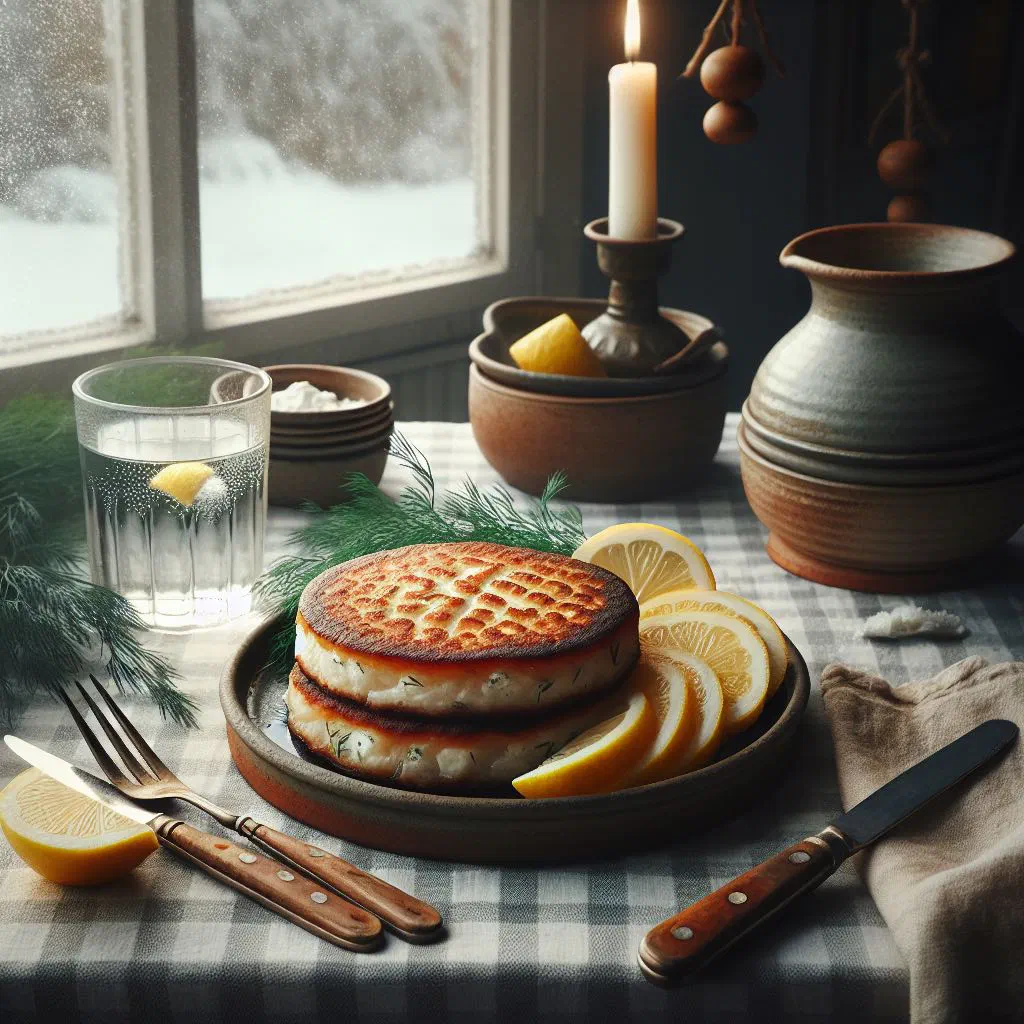
Presentation plays a big part in serving fish cakes well. Arrange the fiskekaker on an attractive plate and garnish them with fresh herbs and a slice of lemon. A few colourful vegetable sides add a welcome splash of brightness to the dish. A tasty sauce or dip makes the whole plate more interesting still and gives an extra kick of flavour.
A bit of history
Fiskekaker has a long tradition in Norwegian cuisine and is a fine example of the country’s love of fresh, regional produce. Historically, communities along the Norwegian coast made sustainable use of their rich fish stocks. Fish was regarded as an important source of food and as part of the cultural heritage of the Norwegian people, much like the preserved classics Klippfisk and Gravlaks. Today it is a dish that unites the history of the country with modern cooking and appeals to a great many people.
More recipe ideas
Summary: Fiskekaker
In short, fiskekaker are a true highlight of Scandinavian cooking and perfect for any occasion. With their straightforward preparation and endless scope for adaptation, they are ideal for the whole family. They offer a delicious eating experience and a link to the history and traditions of Norway. Let these lovely fish cakes inspire you and enjoy a journey through the flavours of Norway in your own kitchen.