National Dish Norway: Flatbrød (Recipe)
In this article
Meet Flatbrød, the paper-thin crispbread that has kept Norwegian kitchens going for centuries. Made from nothing more than flour, water and salt, it is proof that the simplest recipes are often the most enduring. Rolled out wafer-thin and baked until it snaps, it is the perfect partner for soups, cured fish or a smear of butter. Bake a batch and you have a taste of the Norwegian countryside on your table within the hour.
About Flatbrød
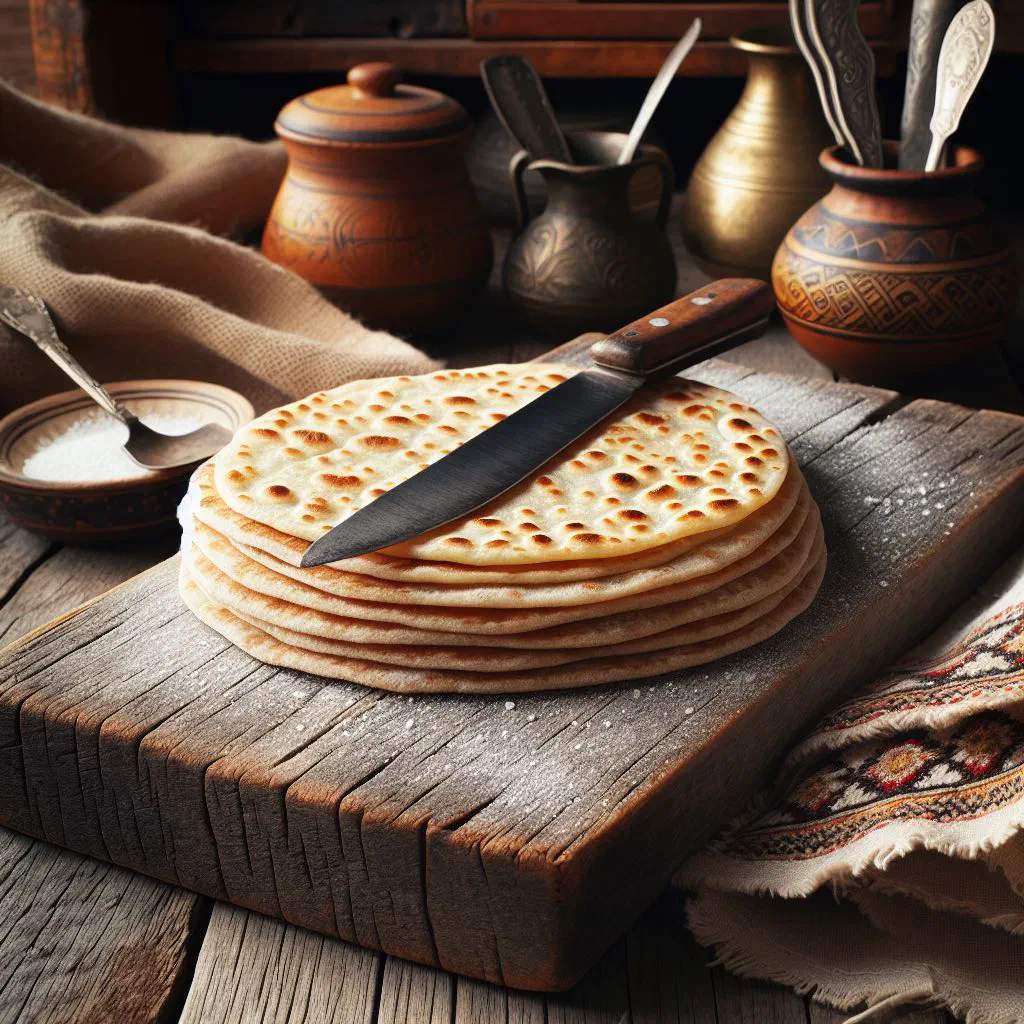
Flatbrød is a traditional Norwegian flatbread that has been baked in rural districts for hundreds of years. It is made from the simplest of ingredients, flour, water and salt, which makes it both inexpensive and easy to put together at short notice. No complicated techniques are involved, so it slots effortlessly alongside all manner of dishes. As it bakes, the bread crisps up and takes on its characteristic wafer-thin texture, ideal for serving with any number of accompaniments.
Ingredients (serves 1–2)
- 250 g plain wheat flour, or a gluten-free blend
- 150 ml water
- 1/2 teaspoon salt
- A little oil for the pan
Shopping for the ingredients
The ingredients for flatbrød are available in almost any supermarket. Do look for fresh flour, as it makes a noticeable difference to the finished bread. If you are baking a gluten-free version, choose a good-quality gluten-free flour blend. Salt and water are everyday kitchen staples, so sourcing them should present no difficulty at all.
Preparing the dish
Making flatbrød calls for only a little planning, since the dough is quickly mixed and then simply rolled out. Begin by tipping all the ingredients into a bowl and working them into a smooth, pliable dough. Let it rest for around 30 minutes so the flavours can settle and the flour can hydrate properly. This is also the ideal moment to heat your pan or prepare a baking sheet.
Step-by-step instructions
- Combine the flour and salt in a mixing bowl.
- Slowly add the water and knead the dough until it is smooth and even.
- Turn the dough out onto a floured work surface and roll it out very thinly.
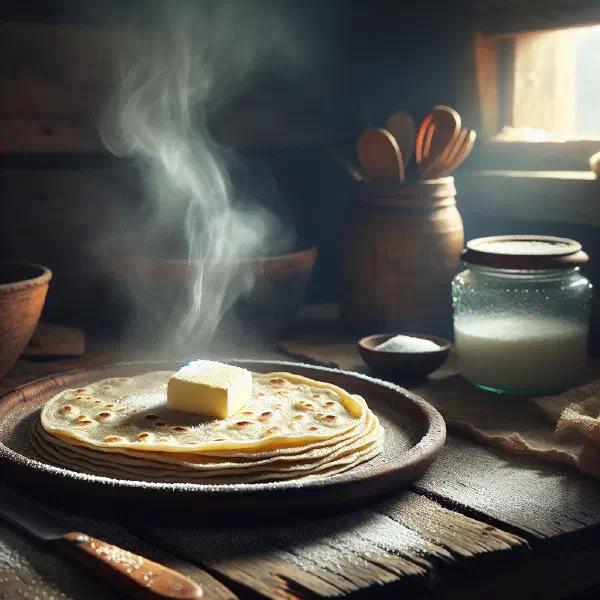
- Bake the cut rounds in a hot dry pan for about 1–2 minutes per side, until crisp.
- Transfer the flatbreads to a plate and serve warm.
Gluten-free / lactose-free version
For a gluten-free take on flatbrød, use a dedicated gluten-free flour blend. These are widely stocked and make the dough easy to handle without any loss of flavour. Wholemeal or buckwheat flour are good alternatives too, giving the bread extra nutritional density and a nuttier character. No dairy is required by the recipe, so it stays naturally lactose-free.
Tips for vegans and vegetarians
The flatbrød recipe is naturally vegan and vegetarian, since it contains no animal products whatsoever. The bread is a fine base for all sorts of plant-based toppings and spreads. Avocado, hummus or a generous spoonful of ratatouille all work beautifully. By adjusting the seasoning and additions to your own taste, you can create endless variations on the theme.
More tips and tricks
To get the very best from your flatbrød, preheat the pan thoroughly so the bread bakes evenly and turns properly crisp. Experiment with different flours to shift the flavour in new directions. A pinch of caraway worked into the dough adds an intriguing note that suits the bread well. Remember, too, to wrap the finished breads in a cloth to keep them warm and fresh.
Adapting the recipe to your taste
Flatbrød is easy to tailor to personal preference. Blend different flours or add your own spices to give the bread an individual signature. The thickness can vary as well: rolled very thin it becomes especially crisp, while a slightly thicker bread has more chew, much like the softer Lefse or its potato-based cousin Potetlefse. Be bold and try out new combinations.
Ingredient substitutions
If you would rather not use wheat flour, buckwheat flour or rice flour make excellent stand-ins. Purpose-made gluten-free blends are another reliable option. For a more aromatic result, reach for olive oil in place of ordinary oil. That is often how the best versions of flatbrød come about.
Drink pairing ideas
A well-made flatbrød pairs happily with any number of drinks. A classic Norwegian apple juice or a glass of water with lemon complements both the bread and whatever is served alongside it. For grown-up occasions there are excellent Norwegian beers, a glass of red wine, or a warming mug of Gløgg in the colder months. Bear in mind that the right drink depends largely on the accompaniments you choose.
Serving and presentation ideas
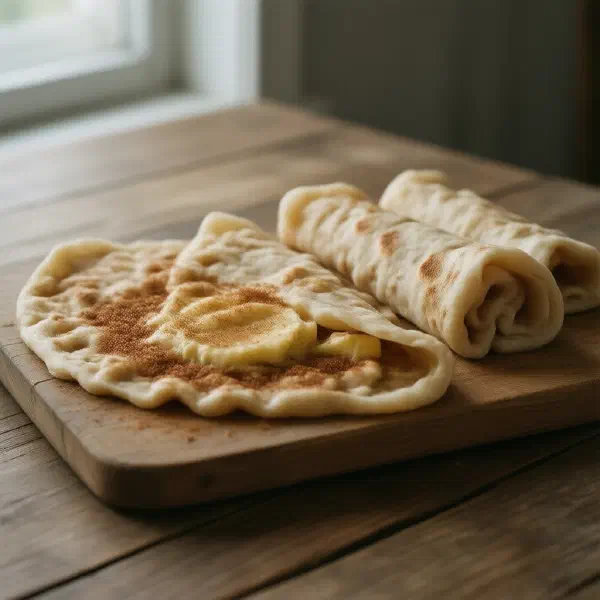
Appearance counts for a great deal when serving flatbrød. Consider presenting the bread on a rustic wooden board for a properly traditional Norwegian feel. Decorate the plate with fresh herbs or edible flowers for a splash of colour. The bread can also be broken into smaller shards and served as an appetiser or snack, which makes it ideal for sociable gatherings. Try it with Gravlaks or a spoonful of Geitostkrem.
A bit of history
Flatbrød has a long history in Norway and was once regarded as a genuine staple food. Originally baked by farming families, it existed in countless regional versions distinguished by different flours and baking methods. It served as a filling accompaniment and as a practical way of preserving nutrients over long periods. That tradition and method of preparation has been handed down through the generations, making flatbrød a treasured part of Norwegian cuisine.
More recipe ideas
Summary: Flatbrød
In short, flatbrød offers a marvellously straightforward way into Norwegian cooking. With its handful of ingredients and quick preparation, it is an ideal bread for gatherings and everyday meals alike. A crisp salad or simply a scrape of butter, this flatbread will win you over. Give it a go and bring a little piece of Norway to your own table.