National Dish Norway: Fresh Soup with Meat and Vegetables (Recipe)
In this article
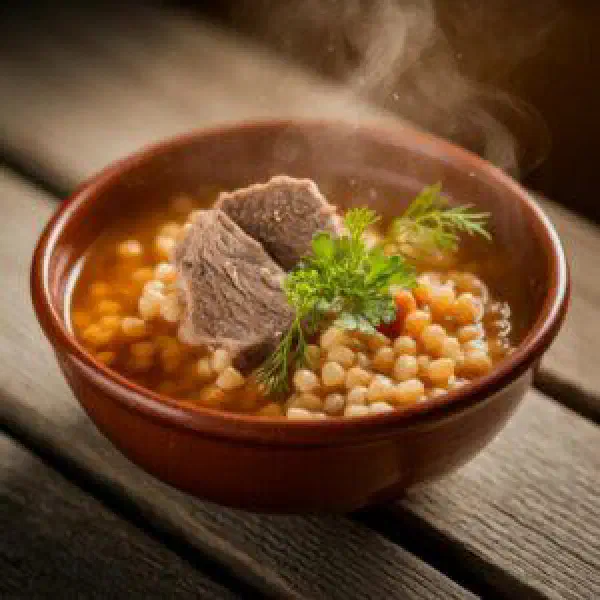
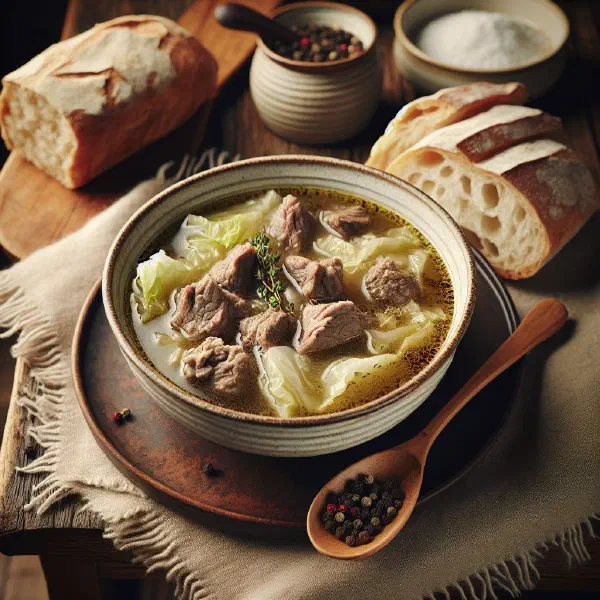
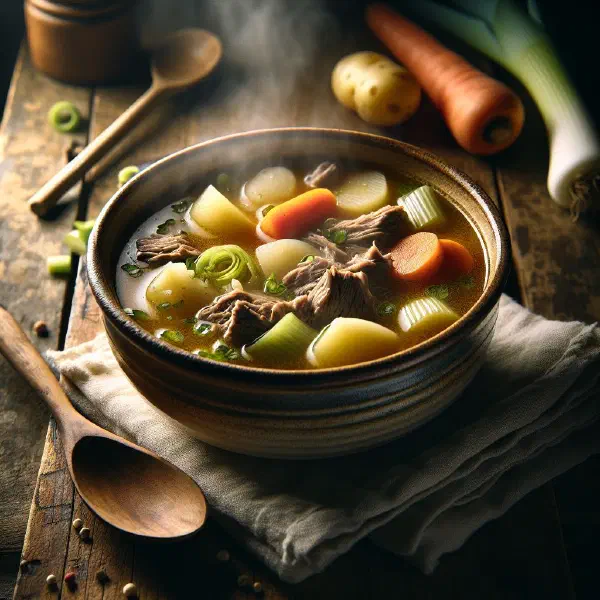
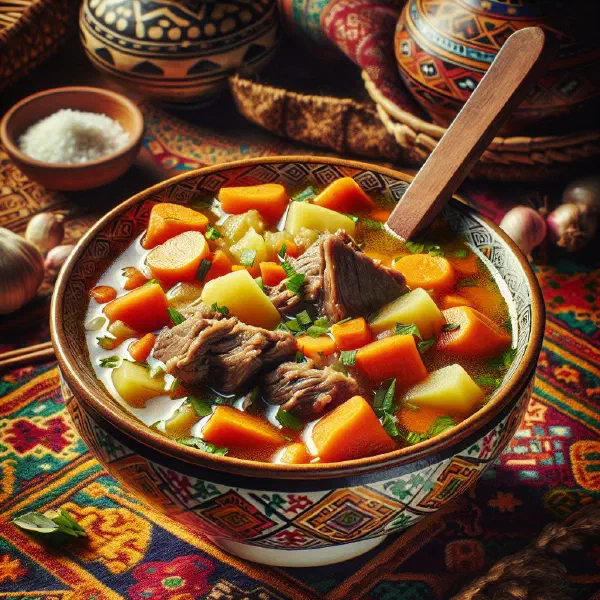
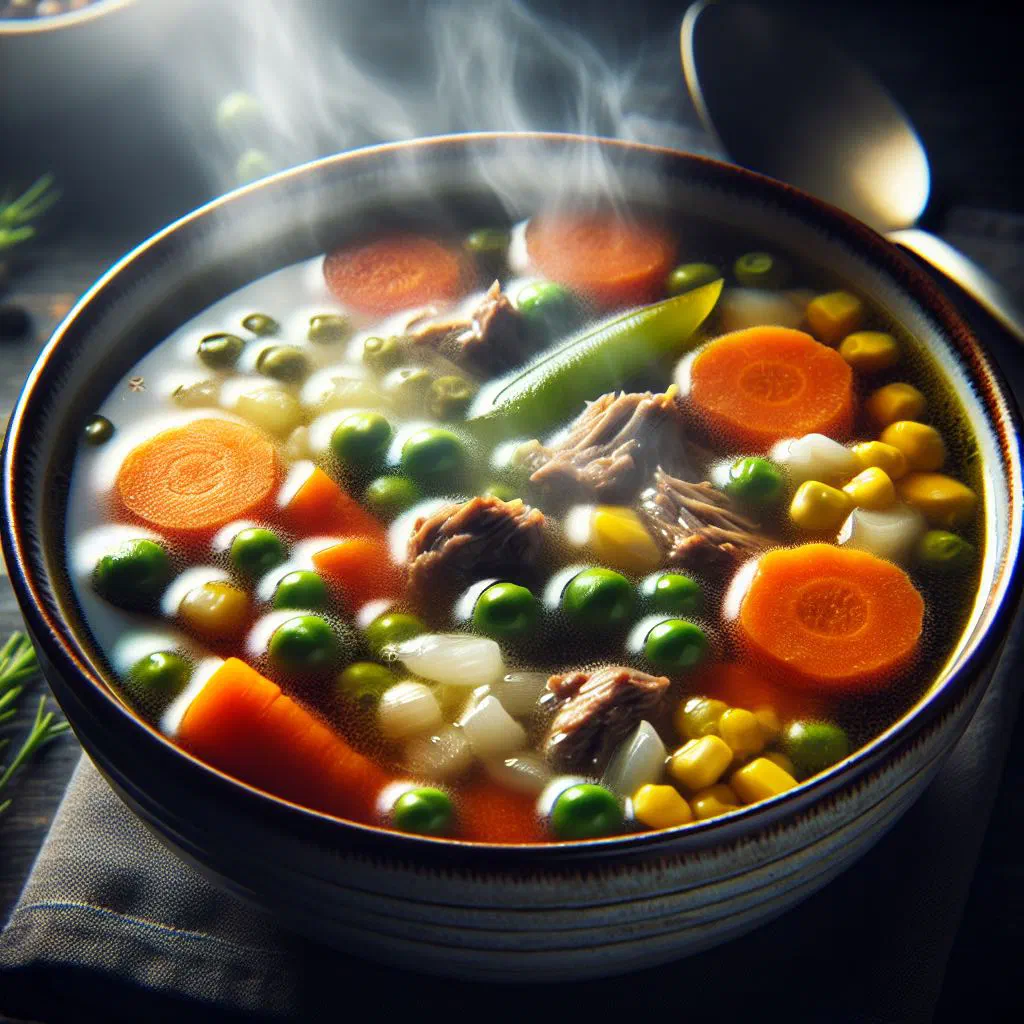
Few things say Norwegian home cooking quite like Fresh Soup with Meat and Vegetables, known locally as fersk suppe med kjøtt og grønnsaker. Tender meat, freshly harvested roots and a clear, fragrant broth come together in a bowl that is as nourishing as it is comforting. It is the sort of dish that fills a cold house with warmth, works equally well as a starter or a main course, and tastes even better shared around a crowded table.
About Fresh Soup with Meat and Vegetables
Fresh Soup with Meat and Vegetables is a genuine classic of the Norwegian kitchen. It brings together the best flavours the countryside has to offer and feels like a small feast on a cold day. With tender meat, garden-fresh vegetables and an aromatic broth, the soup delivers not only wonderful taste but real nourishment as well. Perfect for sociable evenings, it suits both a hearty main course and a lighter opening to a larger meal.
Ingredients (serves 1–2)
- 400 g fresh beef or lamb
- 2 large carrots
- 1 onion
- 2 potatoes
- 1 small leek
- 1 litre vegetable or beef stock
- Salt and pepper, to taste
- Fresh herbs (parsley, thyme)
Shopping for the ingredients
Fresh ingredients matter enormously for this soup. Look for good-quality, well-marbled meat, as the fat carries much of the flavour into the broth. Local farmers’ markets or a supermarket with a decent vegetable counter will serve you well for the carrots, potatoes and leek. And if you have the time, consider making the stock yourself, a home-made broth gives the finished soup a personal character that no carton can quite match.
Preparing the dish
Before you start cooking, take a few minutes to get everything ready. Wash the vegetables thoroughly and cut them into evenly sized pieces so that they all cook through at the same rate. If you are using fresh meat, dice it into neat cubes. This preparation is a genuinely important step: it ensures the flavours are spread evenly through the pot and that every element harmonises rather than competing.
Step-by-step instructions
- Brown the meat in a large pan over medium heat until golden on all sides.
- Add the onion and leek and cook briefly until softened.
- Stir in the prepared carrots and potatoes and mix well.
- Pour in the stock and bring everything to the boil.
- Reduce the heat and let the soup simmer gently for 1–1½ hours.
- Season with salt, pepper and fresh herbs before serving.
Gluten-free / lactose-free version
This soup is naturally gluten-free and lactose-free, since it consists of nothing more than meat and fresh vegetables. Do check, however, that the stock you use contains no gluten, many shop-bought stock cubes do. If yours does, simply switch to a certified gluten-free version. That small adjustment makes the dish an excellent choice for anyone cooking around dietary restrictions, much like the equally straightforward Grønnsakssuppe.
Tips for vegans and vegetarians
To make the soup vegan or vegetarian, replace the meat with a mixture of beans or lentils. These deliver plenty of protein and body of their own. Use vegetable stock rather than beef stock, and lift the flavour with additional spices such as turmeric and paprika. With seasonal vegetables you can build your own delicious version of this traditional soup that loses nothing in heartiness.
More tips and tricks
To deepen the flavours, start the broth a few hours ahead of cooking. Long, slow simmering develops complex aromas that give the soup real depth. Another trick is to make it the day before: left to rest overnight, the flavours settle and the soup tastes noticeably better. Do experiment with different herbs too, a sprig of thyme or a handful of parsley can change the whole character of the pot.
Adapting the recipe to your taste
This soup is extremely versatile and easy to bend towards your own preferences. Add favourite vegetables such as courgette or peas to discover new flavour combinations, or bulk it out with extra potatoes for something closer to a stew like Lapskaus. You can also vary the seasoning to create either a milder or a spicier version.
Ingredient substitutions
If you do not have every ingredient to hand, plenty of alternatives will work. Chicken or even fish can stand in for the beef, and lamb gives the soup a distinctly Norwegian accent, the same meat that carries Fårikål. For the liquid, a good instant stock is a perfectly reasonable shortcut when time is short. Swaps like these let you adapt the soup to your needs and preferences without losing its essential comfort.
Drink pairing ideas
A warm bowl of soup pairs beautifully with a range of drinks. A lightly chilled white wine or a glass of fresh apple juice both underline the flavours nicely. For those who prefer something alcohol-free, sparkling mineral water with a twist of citrus is refreshing and cuts through the richness of the broth. As always, choose the drink that suits your guests and the rest of the menu.
Serving and presentation ideas
Presented well, this soup becomes the highlight of the meal. Serve it in deep plates or bowls, garnished with fresh herbs and a drizzle of olive oil. Offer fresh bread alongside for dipping, a crisp Flatbrød is the traditional choice and always goes down well. Presentation shapes the whole atmosphere of a meal, so take a moment to get it right.
A bit of history
The soup has its roots in the simple, rural cooking of Norway. Traditionally it was made to feed a family with nourishing and inexpensive ingredients, meat that needed using, roots from the cellar, water and time. Even today it remains a fixture of Norwegian cuisine and is often served at celebrations and family gatherings. The generous, open character of this dish reflects the hospitality and closeness of Norwegian society.
More recipe ideas
Summary: Fresh Soup with Meat and Vegetables
In short, Fresh Soup with Meat and Vegetables is an absolute must for anyone who loves Norwegian food. With its combination of nourishing ingredients and savoury depth, it warms body and soul alike. This traditional dish is easy to prepare and endlessly adaptable to personal taste. Give the recipe a try and bring a piece of Norwegian tradition into your own kitchen.