National Dish Norway: Gravlaks (Recipe)
In this article
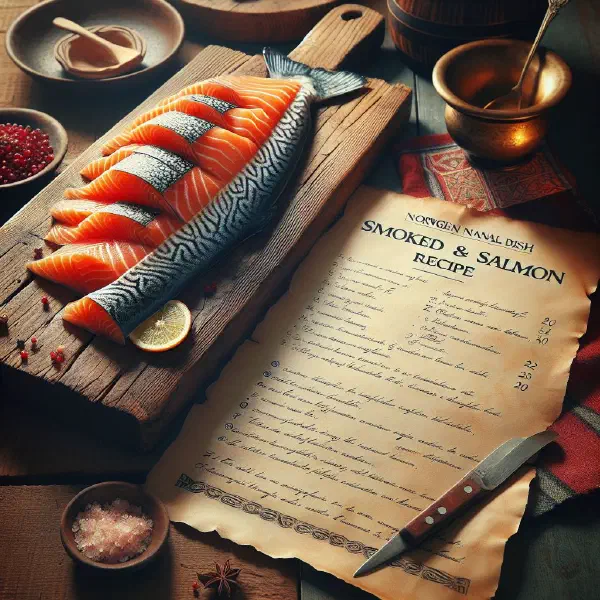
Discover Gravlaks, Norway’s celebrated cured salmon and one of the finest things Scandinavian kitchens have given the world. A fresh fillet is buried in salt, sugar and a generous blanket of dill, then left to cure quietly in the fridge for a few days until it turns silky, fragrant and faintly sweet. There is almost no cooking involved, yet the result looks and tastes wonderfully luxurious. Perfect for a festive table or as an elegant starter.
About Gravlaks
Gravlaks is a traditional Norwegian dish made from cured salmon. Fresh fish is rubbed with a mixture of sugar, salt and a handful of seasonings, then left to rest in the fridge over several days so the flavours work their way deep into the flesh, giving it a tender texture and a gently spiced note. Gravlaks can be served as a main course or as a starter, and it is one of the best ways to get to know Scandinavian cooking.
Ingredients (serves 1–2)
- 300 g fresh salmon (skin on)
- 50 g coarse sea salt
- 50 g sugar
- 1 teaspoon black pepper, ground
- 1 bunch fresh dill, chopped
- Juice of 1 lemon
Shopping for the ingredients
When shopping for gravlaks, choosing high-quality, very fresh salmon matters more than anything else. Visit a fishmonger you trust or the fresh fish counter of your supermarket. The salmon should have a bright, clean colour and a pleasant smell of the sea rather than anything sharp. The seasonings deserve care too, fresh dill in particular can make or break the flavour of your finished gravlaks.
Preparing the dish
Preparing gravlaks is refreshingly straightforward and calls for no advanced cooking skills at all. First rinse the salmon carefully under cold water and pat it dry. Then, if needed, trim it to a size that fits your dish so you can rub the cure over it easily. The mixture of salt, sugar and seasonings can be made up in advance, which makes the whole process quicker on the day.
Step-by-step instructions
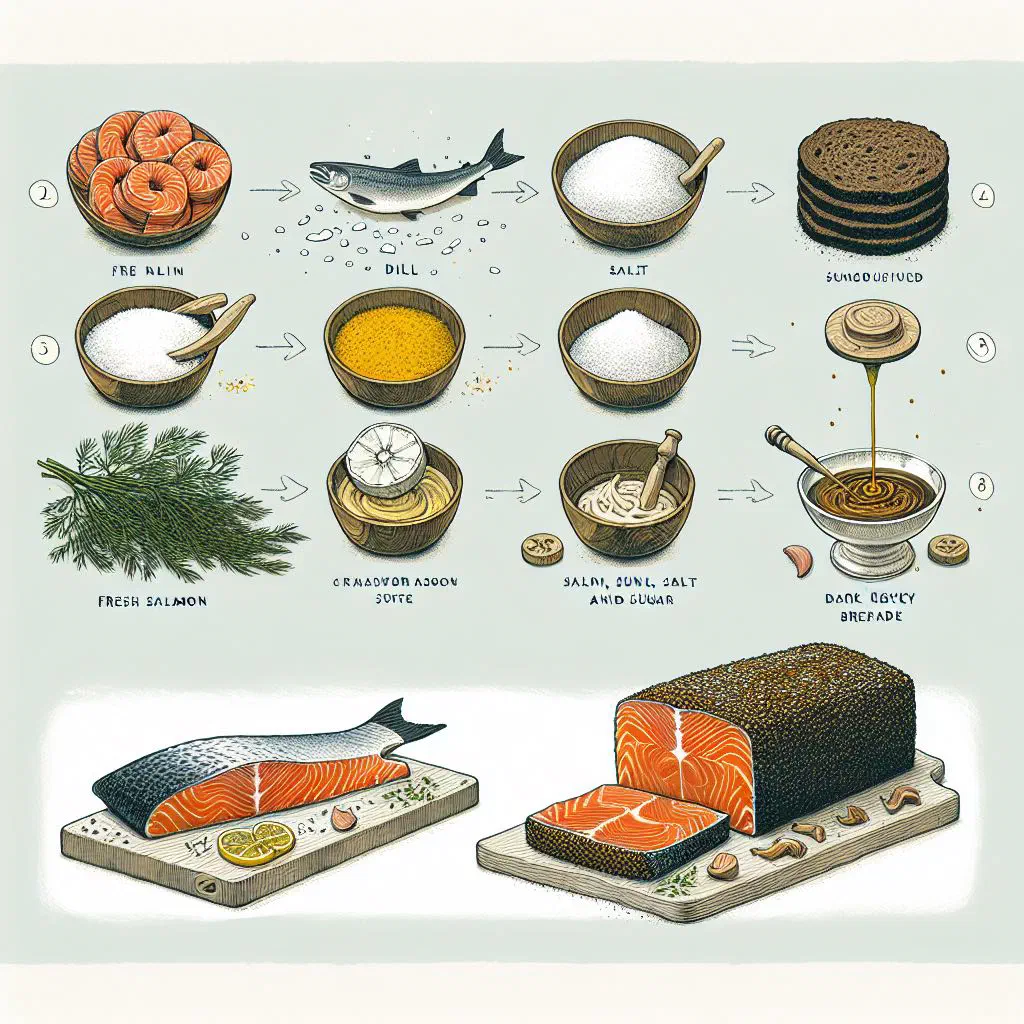
- Rinse the salmon under cold water and pat it dry with kitchen paper.
- Combine the salt, sugar, pepper and dill thoroughly in a bowl.
- Spread half the mixture evenly over a dish and lay the salmon on top.
- Scatter the remaining mixture over the salmon and squeeze the lemon over it.
- Cover the salmon with cling film and leave it to cure in the fridge for 2–3 days.
- Slice the cured salmon thinly just before serving.
Gluten-free / lactose-free version
Gravlaks is naturally gluten-free and lactose-free. The core ingredients, fresh salmon, salt, sugar and seasonings, contain no sources of gluten or lactose whatsoever, which makes the dish an excellent choice for anyone with an intolerance. Just check any accompaniments you serve alongside it, such as bread or crackers, and you can enjoy this delicacy without a second thought.
Tips for vegans and vegetarians
Although gravlaks is traditionally made with salmon, there are ways to create a vegan or vegetarian version. Watermelon works surprisingly well: cut into fine slices and treated with a similar cure, it takes on an interesting texture and a fresh, clean flavour. Only a few adjustments are needed to adapt the dish while keeping the spirit, and much of the taste, of the original intact.
More tips and tricks
For the very best gravlaks, use ingredients that are as fresh and as good as you can find. It also helps to let the salmon rest for a couple of hours at room temperature after curing and before serving, which encourages the aromas to open up and makes the slices especially tender. Experiment with different herbs and spices too, and you will soon arrive at a version that is unmistakably your own.
Adapting the recipe to your taste
The gravlaks recipe adapts easily to personal preference. You might use different citrus fruits in place of lemon for a fruitier note, or add seasonings such as juniper berries or nutmeg for a more resinous, wintry character. Some cooks add a splash of aquavit to the cure. By varying the ingredients you can make the gravlaks experience entirely your own, much as cooks do with the herring in Sursild.
Ingredient substitutions
If certain ingredients are not to hand, alternatives are easy to find. Sugar can be swapped for honey to add a rounder sweetness. Among the herbs, dill can give way to fennel or basil for a different aromatic direction. Other oily fish take well to the same treatment, as anyone who has tried Marinerte Sildefileter will know.
Drink pairing ideas
The right drinks complete the gravlaks experience. A lightly chilled white wine such as a Sauvignon Blanc or a dry Riesling harmonises beautifully with the flavours of the dish. Sparkling options like Prosecco make a refreshing alternative. For something without alcohol, flavoured water or a fruity mocktail works nicely, while a warming glass of Glogg suits gravlaks served at Christmas.
Serving and presentation ideas
Presentation has a real influence on how gravlaks is received at the table. Serve the slices on a handsome wooden board, garnished with fresh dill and lemon wedges. A side of dark rye bread or crisp crackers looks every bit as good as it tastes, and a plate of Flatbrod is a very Norwegian touch. Cut the fish into even, thin slices to make the most of its glossy colour.
A bit of history
Gravlaks has a long tradition in Scandinavian cooking. Originally, fishermen preserved salmon with a mixture of salt and sugar so it would keep. The word gravlaks comes from the Old Norse grava, meaning “to bury”, and refers to the way the fish was once buried in the sand above the tideline to ferment. Today gravlaks is enjoyed all over the world and remains a fixture of Norwegian cuisine.
More recipe ideas
Summary: Gravlaks
In short, Gravlaks is a simple yet delicious Norwegian speciality, rich in flavour and steeped in tradition. With only a handful of ingredients you can create something genuinely impressive, refined and festive at the same time. Whether it appears as part of a buffet or as an elegant dinner, gravlaks is bound to be a highlight on your table. Let the dish inspire you and enjoy the flavours of the Scandinavian kitchen.