National Dish Norway: Hjemmelaget Leverpostei (Recipe)
In this article
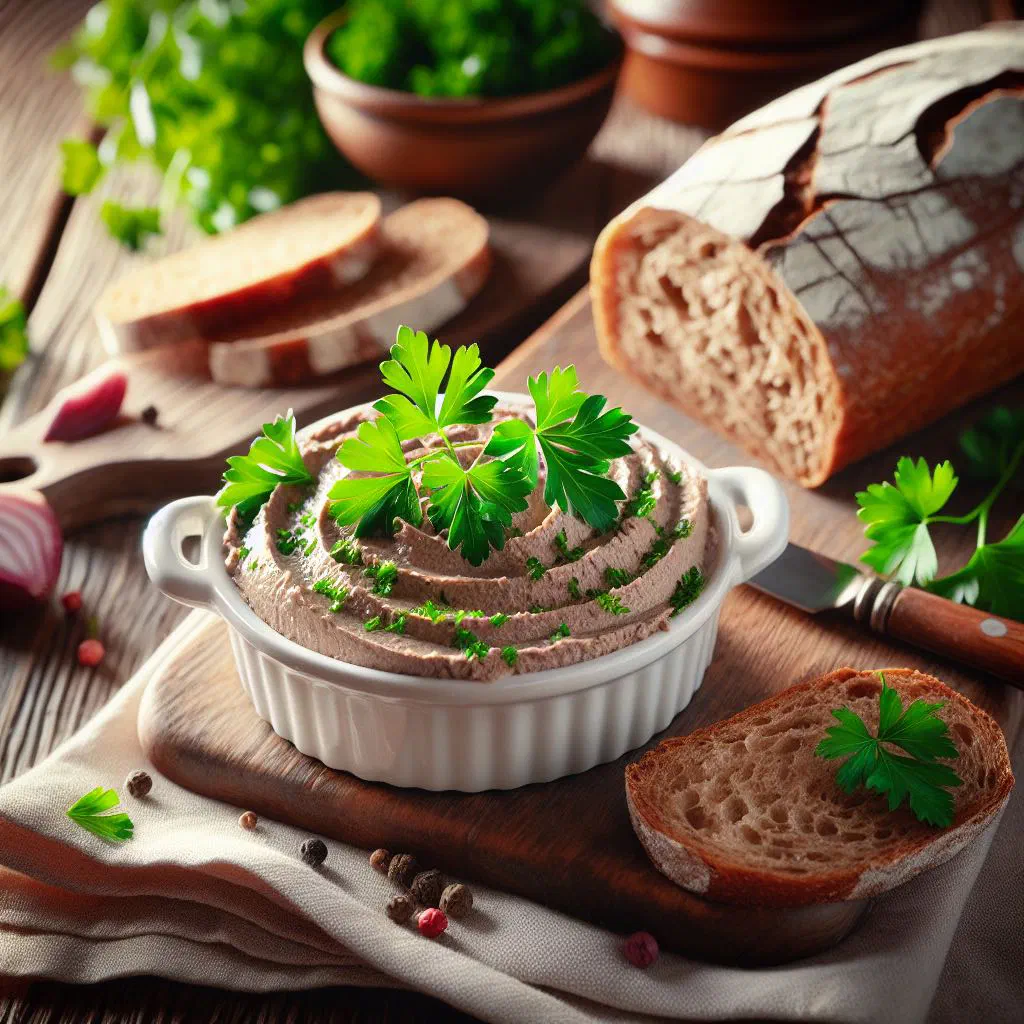
Meet Hjemmelaget Leverpostei, the homemade liver pâté that sits in almost every Norwegian fridge. A handful of good ingredients, fresh liver, butter, onion and a little marjoram and thyme, bake down into a rich, savoury spread that tastes far more refined than the effort suggests. Pile it onto rye bread for breakfast or set it out as part of a cold table, and you have a genuine taste of Norway on your own table.
About Hjemmelaget Leverpostei
The Norwegian dish Hjemmelaget Leverpostei is a treat for the palate and a small piece of culture. This hearty liver pâté is cherished in countless households and made regularly at home. The combination of fresh, high-quality ingredients and a genuinely simple method is what has kept it so popular. Whether spread thickly on bread or served as part of a buffet, this delicious pâté brings the flavour of Norway straight to your table.
Ingredients (serves 1–2)
- 250 g beef or pork liver
- 1 small onion
- 1–2 cloves of garlic
- 100 g butter
- 1 teaspoon marjoram
- 1 teaspoon thyme
- 1 teaspoon pepper
- 1 teaspoon salt
- 2 eggs
- 50 ml milk
Shopping for the ingredients
To make Hjemmelaget Leverpostei properly, it matters that you buy your ingredients fresh. Head for a well-stocked supermarket or, better still, a local butcher who can supply good-quality liver. Look for organic butter and eggs too, as they make a noticeable difference to the finished flavour. And do not forget fresh herbs such as marjoram and thyme, which round the whole thing off aromatically.
Preparing the dish
Before you start cooking, set out and prepare everything you need. The liver must be cleaned thoroughly, which means trimming away any sinew and membrane. Chop the onion and the garlic finely so the flavour runs evenly through the pâté. Make sure the butter is at room temperature as well, so it blends smoothly with the other ingredients.
Step-by-step instructions
- Cut the washed and trimmed liver into small pieces and fry in a pan with a little butter until cooked through.
- Sweat the onion and garlic in the remaining butter until lightly golden.
- Tip the fried liver, onion and garlic into a bowl.
- Add the marjoram, thyme, pepper, salt, eggs and milk, and mix everything together well.
- Pour the mixture into an ovenproof dish and bake at 180 °C for about 45 minutes.
- Let the pâté cool completely, then keep it in the fridge.
Gluten-free / lactose-free version
For a gluten-free and lactose-free take on Hjemmelaget Leverpostei, swap the milk for a plant-based alternative such as almond or soya milk. Check that all the other ingredients, especially the spices, are gluten-free, most good-quality herbs and spices naturally are. Replace the butter with a lactose-free version and the dish becomes something everyone at the table can enjoy, much like a plate of Flatbrød alongside it.
Tips for vegans and vegetarians
A vegan or vegetarian version of Hjemmelaget Leverpostei leaves plenty of room for creativity. Replace the liver with puréed beans or lentils for a protein-rich alternative. Puréed vegetables such as aubergine or mushrooms give you the rich, dense texture the original relies on. Seasonings like smoked salt and truffle oil help mimic the characteristic depth of a classic liver pâté.
More tips and tricks
A few practical pointers will get the best out of your pâté. Let it cool thoroughly after baking so it spreads cleanly onto bread rather than crumbling. If the mixture seems too dry, add a little more milk or butter before it goes into the oven. Fresh herbs scattered over at the moment of serving look lovely and bring an extra lift of aroma.
Adapting the recipe to your taste
The recipe is remarkably flexible. Add different herbs and spices to steer the flavour towards your own preference. If you like a bit of heat, a pinch of chilli works well; for something milder, ease back on the garlic. You can also experiment with different types of meat, or with vegetarian ingredients, to make the dish entirely your own.
Ingredient substitutions
Sometimes a particular ingredient is hard to come by, but there is no cause for concern. There are plenty of alternatives. Instead of beef or pork liver you can use poultry liver, which is often milder in flavour. For a plant-based version, tofu or seitan both deliver good protein and a workable texture. Feel free to experiment until you land on the balance that suits you best.
Drink pairing ideas
Refreshing drinks suit a savoury dish like this particularly well. A light beer or a glass of red wine complements the flavours beautifully. For something non-alcoholic, fresh fruit juices or sparkling water with a squeeze of lemon do the job nicely. At Christmas, a warm cup of Gløgg makes an especially festive match.
Serving and presentation ideas
Presentation plays its part at every meal. Serve the pâté on a rustic wooden board or an attractive serving plate, and decorate it with fresh herbs to bring out both colour and aroma. Crisp raw vegetables, small slices of bread or crackers alongside make the dish far more inviting, and a few slices of Lefse turn it into something close to a proper spread.
A bit of history
The roots of Hjemmelaget Leverpostei run deep into Norwegian tradition. In many households it was made regularly as a way of using the nutritious offal from an animal to its fullest. Even today, making liver pâté at home remains a much-loved habit, particularly in rural Norway. The recipe has proved itself across generations and is a living part of Norwegian cuisine, sitting comfortably beside cured classics such as Spekemat.
More recipe ideas
Summary: Hjemmelaget Leverpostei
The recipe for Hjemmelaget Leverpostei shows just how straightforward it is to make a hearty, delicious liver pâté yourself. With only a few good ingredients you can conjure up something that feels both traditional and quietly refined. Whether spread on bread or set out as part of a buffet, this delicacy will impress your guests and lend the table a warm, welcoming mood. Enjoy the flavours of Norway and share this fine old recipe with friends and family.