National Dish Norway: Karamellpudding (Recipe)
In this article
Meet Karamellpudding, Norway’s best-loved dessert and the sweet finale to countless family celebrations. Beneath its glossy caramel top sits a silky vanilla custard that wobbles gently as it comes to the table. It is festive enough for Christmas and Sunday dinners, yet simple enough to whip up on an ordinary evening, a true taste of Norwegian hospitality served by the spoonful.
About Karamellpudding
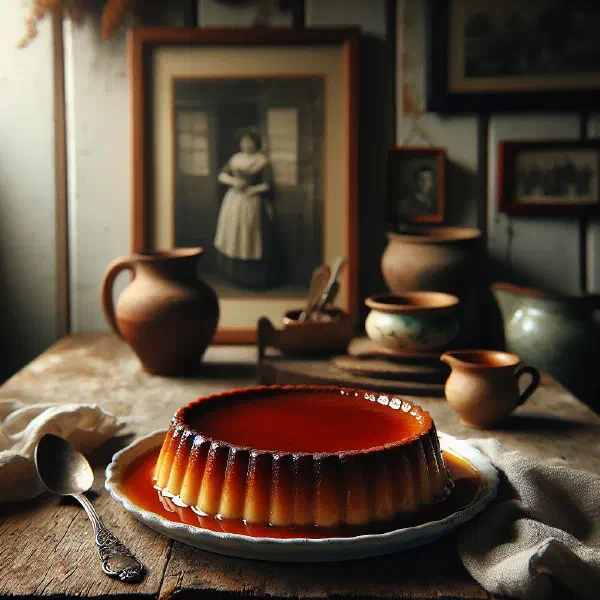
Karamellpudding is far more than a popular pudding; it is a fixture of Norwegian culture. Its creamy texture and burnished caramel crown have won over generations of sweet-toothed diners. Whether it crowns a festive spread or rounds off a quiet dinner at home, this baked vanilla-scented custard has earned a permanent place in Norwegian hearts. Alongside classics such as Multekrem, it shows just how much comfort a simple dessert can carry.
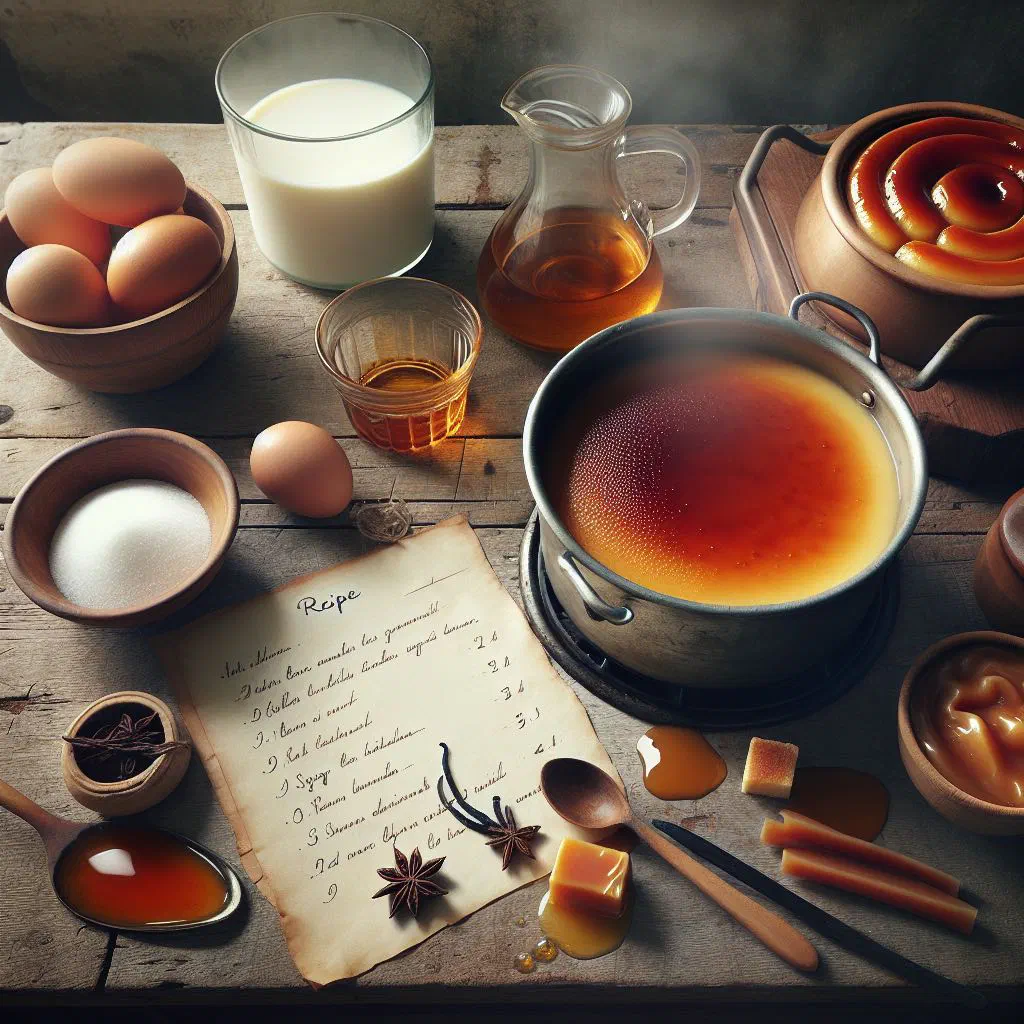
Ingredients (serves 1–2)
- 250 ml milk
- 100 ml cream
- 50 g sugar
- 2 eggs
- 1 teaspoon vanilla extract
- 1 pinch of salt
- 50 g sugar, for the caramel
Shopping for the ingredients
When shopping for karamellpudding, quality really does show in the finished dessert. Fresh eggs and a good vanilla extract will noticeably lift the flavour. Give some thought to the dairy too, whole milk and proper double cream are what give the pudding its luxuriously creamy set. Local markets or a trusted supermarket will supply everything you need without any fuss.
Preparing the dish
Before you begin, gather every ingredient and set out the equipment you will need. Make sure you have a suitable pudding mould to hand, or several small ramekins if you prefer individual portions. It is also worth preparing a large roasting tin for the water bath. A little organisation up front saves time and keeps the whole process calm and smooth.
Step-by-step instructions
- Warm the milk and cream in a pan until just below boiling point.
- In a separate bowl, whisk the eggs, sugar, vanilla extract and salt together thoroughly.
- Pour the hot milk mixture slowly into the eggs, stirring constantly so the custard does not curdle.
- In another pan, heat the sugar for the caramel until golden brown, then pour it evenly into the pudding mould.
- Carefully fill the caramel-lined mould with the custard and place it in a large roasting tin.
- Pour hot water into the roasting tin so the mould stands half submerged.
- Bake in a preheated oven at 160°C for about 40–50 minutes, until the custard is set.
- Let the pudding cool completely before turning it out of the mould.
Gluten-free / lactose-free version
Karamellpudding is naturally gluten-free, so it suits coeliac guests without any changes at all. For a lactose-free version, swap the milk for a plant-based alternative such as almond milk or coconut milk, and use a lactose-free or plant-based cream in place of the dairy. The pudding stays every bit as delicious and everyone at the table can tuck in.
Tips for vegans and vegetarians
A vegan karamellpudding is entirely achievable with a few clever swaps. Use plant-based cream and milk instead of dairy, and replace the eggs with apple purée or a little cornflour, which gives a comparable set. Vegetarian cooks will enjoy the classic version as it stands, though it is worth checking that the sugar used for the caramel has not been filtered through bone char.
More tips and tricks
A few small habits make all the difference to a perfect karamellpudding. Keep the oven temperature steady so the custard never boils, and always bake it in a water bath to protect that delicate texture. Best of all, let the pudding rest overnight in the fridge, the flavours settle and the caramel dissolves into a glossy sauce. The same patience pays off with a batch of Rommegrot.
Adapting the recipe to your taste
The basic recipe takes happily to personal tweaks. Experiment with flavours such as chocolate, cinnamon or even a shot of coffee to create something new each time. If you prefer a less sugary dessert, simply reduce the sugar in the custard while leaving the caramel as it is. These small variations keep the pudding interesting no matter how often you make it.
Ingredient substitutions
If something is missing from the cupboard, there is usually a good stand-in. Maple syrup or honey can replace some of the sugar for a gentler, more rounded sweetness. When vanilla extract runs out, vanilla powder or the scraped seeds of a vanilla pod work beautifully. Little adjustments like these bring fresh character to a classic without any loss of enjoyment.
Drink pairing ideas
Karamellpudding partners well with a whole range of drinks. A cup of coffee or a short espresso matches the sweetness perfectly and brings a welcome hint of bitterness. For something lighter, try a fruity white wine or a fresh herbal tea. In winter a small glass of Glogg turns the dessert course into a proper celebration.
Serving and presentation ideas
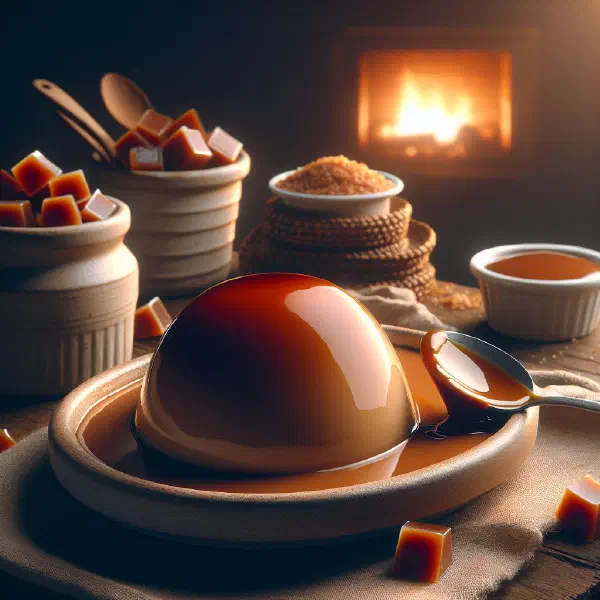
Thoughtful presentation turns karamellpudding into a showstopper. Serve it in elegant glasses or turned out onto a handsome dessert plate so the caramel can pool around the base. Fresh berries or a few mint leaves add colour and contrast, and a small sweet biscuit such as Kransekake on the side makes the plate feel complete. These details pleasure guests as much as the flavour does.
A bit of history
Karamellpudding has a long history and is closely bound up with Norwegian cooking. It traditionally appears at festivities, reflecting a national fondness for sweet, creamy desserts, and it belongs to the wider European family of baked caramel custards that spread north in the nineteenth century. Like many classics it has countless regional variations, each with its own character. Serving it is a lovely way to bring a piece of Norwegian cuisine to your table.
More recipe ideas
Summary: Karamellpudding
Karamellpudding is a wonderfully simple dessert that rises to any occasion. Its delicate texture and deep caramel flavour make it a highlight at parties and on ordinary weekdays alike. Thanks to the many ways it can be adapted, you can shape it to your own taste and dietary needs with ease. If you would like to experience Norwegian cooking first-hand, this dessert classic is the place to start.