National Dish Norway: Kransekake (Recipe)
In this article
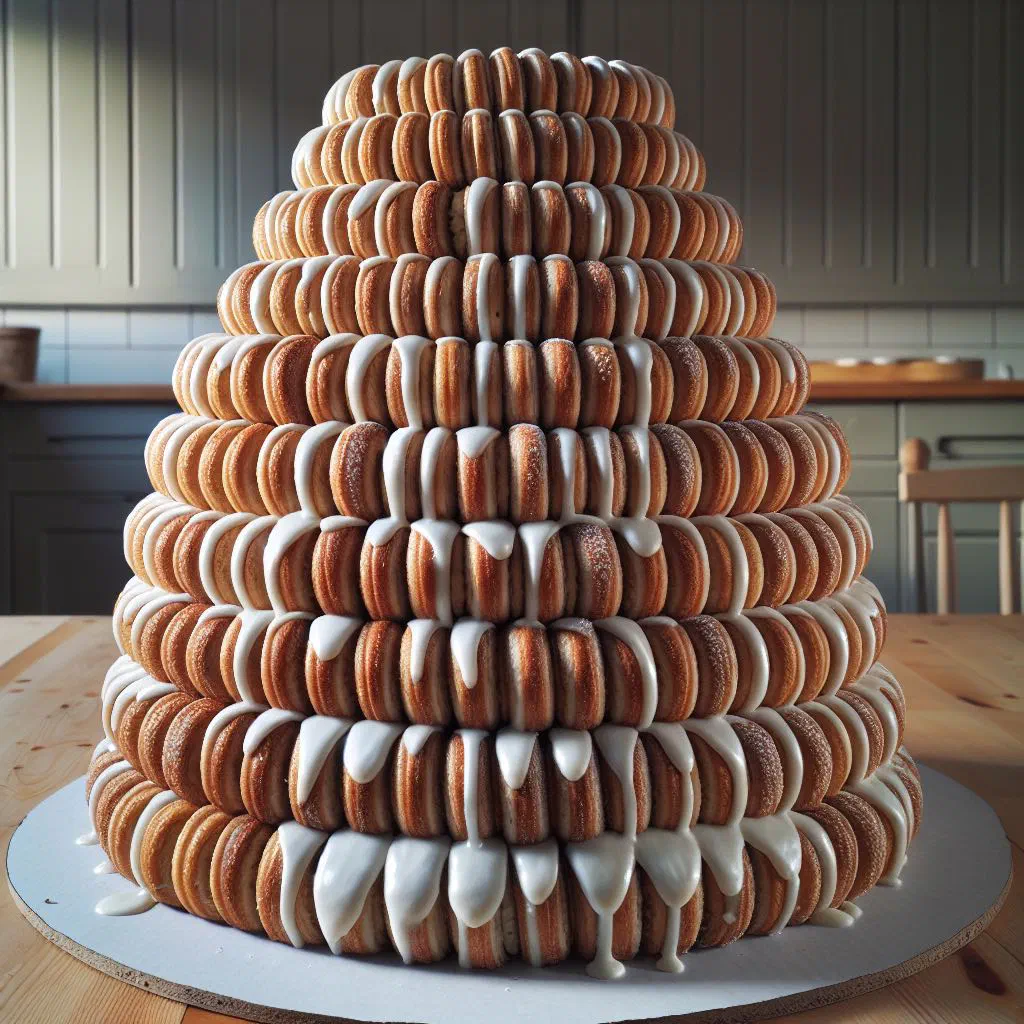
Discover Kransekake, Norway’s showstopping celebration cake. Built from stacked rings of sweet almond pastry and finished with delicate white icing, it rises into a golden tower that turns any gathering into an occasion. Chewy inside, lightly crisp outside and naturally free from wheat flour, it is as much a piece of edible architecture as it is a dessert. Bring a slice of Norwegian festivity to your own table.
About Kransekake
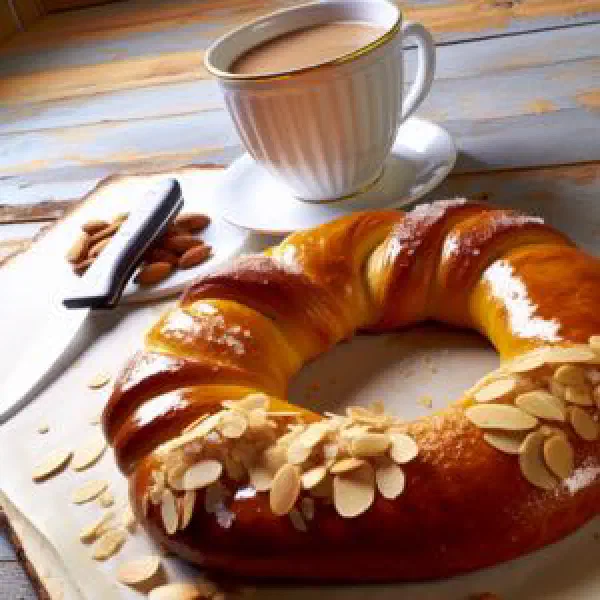
Kransekake is a classic Norwegian celebration bake made from a simple almond dough. Its striking structure and distinctive flavour make it the highlight of any party table. It is traditionally served at the most important moments of family life, weddings, milestone birthdays and Christmas. Its signature shape consists of several graduated rings stacked into a tall tower, a design that appeals to the eye as much as the palate.
Ingredients (serves 1–2)
- 250 g ground almonds (almond flour)
- 250 g icing sugar
- 2 egg whites
- 1 teaspoon vanilla extract
- Food colouring (optional)
- To decorate: royal icing and whole almonds
Shopping for the ingredients
The ingredients for kransekake are refreshingly easy to track down. Ground almonds and icing sugar are stocked by most supermarkets, and the egg whites are simply separated from fresh eggs. For the best flavour and texture, choose almonds that are as fresh as possible, stale ground almonds quickly turn the dough dull. A little food colouring is optional, but it lets you turn the finished tower into a real centrepiece.
Preparing the dish
Before you start on the kransekake, have every ingredient measured out and ready. It is important to combine the ground almonds and the icing sugar thoroughly so the flavours are distributed evenly through the dough. It also pays to prepare the ring tins in advance and grease their surfaces lightly to stop the pastry sticking. Good groundwork is the key to a flawless result.
Step-by-step instructions
- Preheat the oven to 180 °C and grease the kransekake ring tins.
- Mix the ground almonds and the icing sugar together in a bowl.
- Add the egg whites and the vanilla extract, then knead everything into a smooth dough.
- Divide the dough into portions and roll it into rings of graduating sizes.
- Lay the rings into the prepared tins and bake for around 15–20 minutes.
- Once cool, pipe the rings with royal icing and add whole almonds to taste.
Gluten-free / lactose-free version
One of the great advantages of kransekake is that it is naturally gluten-free. Because the base is ground almonds rather than wheat flour, anyone with a gluten intolerance can enjoy it without adjustment. The recipe also adapts easily for a lactose-free diet, swap in a plant-based egg replacer and the bake stays entirely dairy-free. That makes this cake a wonderful option for a table with mixed dietary needs.
Tips for vegans and vegetarians
For a vegan kransekake, use apple sauce or mashed banana in place of the egg whites. Both bind the dough to the right consistency and bring a subtle fruity note along with them. The decoration can be adapted just as easily with a vegan royal icing made from aquafaba. The cake remains every bit the festive treat, and everyone at the table gets to share it.
More tips and tricks
To bring even more life to the flavour, work a few drops of orange or lemon juice into the dough for a refreshing lift. Take care to roll the rings to an even thickness so the finished tower stands straight and looks its best. Watch the oven closely while baking, the rings should stay pale gold rather than browning. Storage matters too: keep the cooled rings in an airtight tin so they hold their soft, chewy centre.
Adapting the recipe to your taste
There are countless ways to make a kransekake your own. Fold in chocolate chips or swap part of the almonds for another nut to shift the flavour. A pinch of warming spices such as cardamom gives the dough a wholly new character, much like the ones that scent Krydderkake. Your creativity sets the only limit here, and the recipe takes happily to whatever you bring to it.
Ingredient substitutions
If almonds are not to your liking or are off the menu for allergy reasons, hazelnuts or walnuts make an excellent alternative. Both lend the cake a character all of their own. Just make sure the ground nuts have a similar texture to almond flour so the dough behaves as it should. For the decoration, melted chocolate in place of royal icing gives the tower a completely different look and taste.
Drink pairing ideas
Kransekake sits beautifully alongside a whole range of drinks. A fruity white wine or a glass of sparkling wine picks up the sweetness of the almond dough perfectly. Coffee or a rich espresso are equally fine companions, and at Christmas a warmly spiced Gløgg is the traditional choice. If you would rather skip the alcohol, try a fruity soft drink or sparkling water with a squeeze of lemon.
Serving and presentation ideas
A thoughtful arrangement makes the kransekake taste even better. Present the tower on an elegant cake stand and decorate it with fresh berries or mint leaves. It also makes a lovely gift: individual rings wrapped in plain cellophane and tied with a smart length of string look wonderfully festive. Small Norwegian flags tucked between the rings are the classic finishing touch for birthdays and national holidays.
A bit of history
Kransekake originated in Norway and is woven deeply into Scandinavian culture. It has long been served at ceremonial occasions, where it is a symbol of good fortune and prosperity. The cake dates back to the 19th century and has since become an indispensable part of Norwegian celebration, sharing that role with sweet classics of Norwegian cuisine such as Skolebrød. The ringed design itself grew out of older customs in which a tower of this kind played a meaningful part in the festivities.
More recipe ideas
Summary: Kransekake
Kransekake is not only a pleasure to eat but a genuine work of Norwegian baking craft. With its unmistakable design and the many ways it can be varied, it adapts wonderfully to personal taste. Whether it crowns a wedding table or simply sweetens an afternoon, it never fails to please. Let this traditional speciality tempt you and bring a piece of Norway to your own table.