National Dish Norway: Kringle (Recipe)
In this article
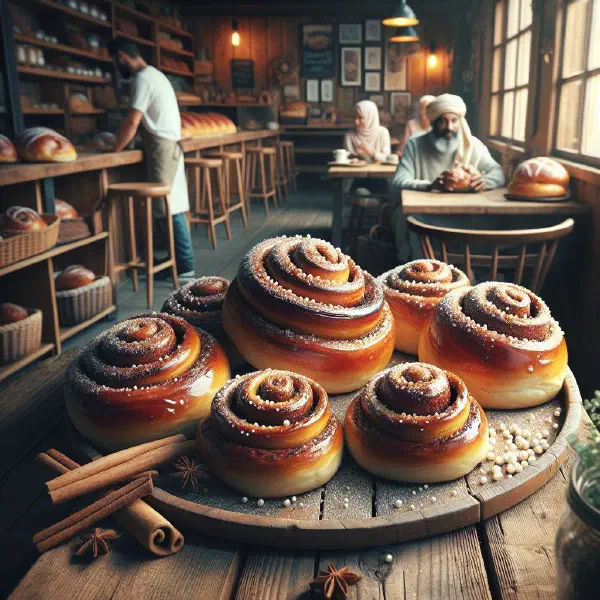
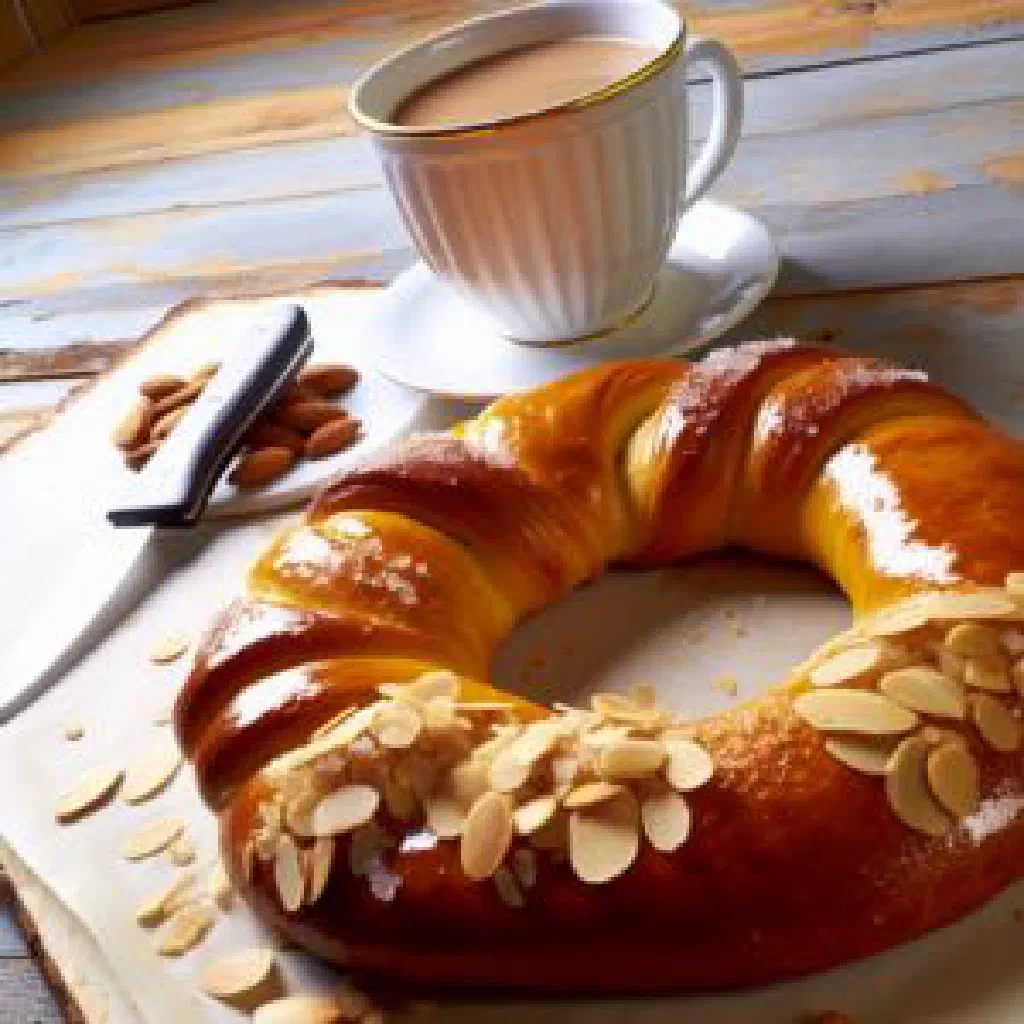
Few bakes say celebration in Norway quite like Kringle. This handsome braided wreath of soft, buttery yeast dough hides a fragrant filling of almonds, cinnamon and sugar, and it fills the whole kitchen with warmth as it bakes. It looks far more elaborate than it is to make, which is precisely why it has graced Norwegian coffee tables at Christmas, weddings and birthdays for generations. Bake one, set it out on a wooden board, and watch it disappear.
About Kringle
Kringle is a traditional Norwegian pastry that combines delicate flavours with a genuinely eye-catching shape. Its braided wreath structure and its appealing filling of almonds, cinnamon and sugar make it a real pleasure for the senses. In Norway, kringle is often served on festive occasions, which has earned it a special place in Norwegian culture. Making this sweet yeast wreath is a treat for the palate and something of a work of art.
Ingredients (serves 1–2)
- 300 g plain flour
- 50 g sugar
- 10 g fresh yeast
- 100 ml milk
- 50 g butter
- 1 egg
- 50 g ground almonds
- 1 tsp ground cinnamon
- 1 pinch of salt
Shopping for the ingredients
Before you start on your kringle, it is worth sorting out the ingredients. Most of what you need is available in any well-stocked supermarket or in a specialist food shop. Do look for fresh yeast, as it gives the dough its perfect lightness and a gentle, bready aroma. When buying almonds, choose unsweetened ground almonds so the flavours of the filling come through cleanly rather than being masked by extra sugar.
Preparing the dish
Preparing kringle is straightforward and genuinely enjoyable. Begin by dissolving the yeast in warm milk so that it activates properly. While that stands, combine the flour, sugar and salt in a large bowl. This mixture forms the base of your kringle and gives you a dough that rises well and bakes up wonderfully aromatic. Weigh everything out in advance and the rest of the process runs smoothly.
Step-by-step instructions
- Dissolve the yeast in the warm milk and leave to stand briefly.
- Put the flour, sugar and salt in a bowl and make a well in the centre.
- Add the yeast mixture, the egg and the softened butter to the well, then mix everything together well.
- Knead the dough on a floured surface until smooth and elastic.
- Cover the dough and leave to rise in a warm place for about 30 minutes.
- Roll out the risen dough and scatter over a mixture of almonds, cinnamon and sugar.
- Braid the dough into a wreath and place it on a baking tray.
- Leave the kringle to prove for a further 15 minutes, then bake at 180°C for roughly 25–30 minutes until golden brown.
Gluten-free / lactose-free version
There are excellent alternatives for anyone with a gluten intolerance or lactose intolerance. Use a good gluten-free flour blend to make a delicious kringle, and replace the butter with plant-based alternatives such as margarine or coconut oil. Make sure the plant milk you choose is lactose-free. That way, people with particular dietary needs can enjoy the pastry too, without giving up any of the flavour.
Tips for vegans and vegetarians
Vegan bakers can adapt kringle beautifully by replacing the egg with aquafaba or a mashed banana. Both alternatives help preserve the structure and texture of the dough. The butter can be swapped for vegan margarine to make the pastry entirely plant-based. Adjustments like these mean everyone gets to enjoy this treat, whatever their diet, much as with the classic Vafler that follow the same forgiving logic.
More tips and tricks
If you want to bake the perfect kringle, the temperature of the liquid for the yeast is crucial. Take care that the milk is warm rather than hot, or the yeast will be killed off and the dough will never rise. You can also replace the cinnamon in the filling with other spices such as nutmeg or cloves to give the bake your own signature. Playing with different fillings turns kringle into a personal creation you can rediscover every time.
Adapting the recipe to your taste
The joy of kringle lies in the flexibility of the recipe. Feel free to vary the filling to suit your palate by adding different nuts or dried fruits. A filling of walnuts and dates, for instance, is equally refreshing and delicious. By bringing a little creativity to the table you give this traditional pastry a personal style all of its own, and pleasure your guests in the process.
Ingredient substitutions
If some of the ingredients do not appeal or simply are not available, they are easy to replace. Instead of milk you can use a plant-based milk to keep the kringle vegan. In place of butter, olive oil gives the bake a different but interesting flavour note. Dried fruit such as raisins or cranberries also makes a lovely filling in place of nuts, and a spoonful of Multebaersyltetoy alongside adds a tart, fruity contrast.
Drink pairing ideas
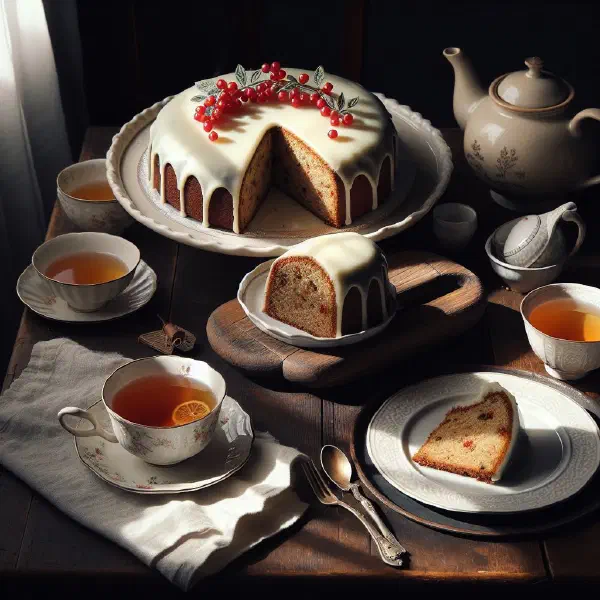
A freshly baked kringle calls for a strong coffee, the traditional companion at any Norwegian coffee table. A pot of black tea works just as well, and a homemade ginger tea makes a refreshing alternative for those who prefer something lighter. In winter, a warming glass of Glogg turns a slice of kringle into a proper seasonal ritual.
Serving and presentation ideas
An attractive presentation makes your kringle the highlight of any coffee table. Serve the wreath on a rustic wooden board to underline its traditional character. You could also dust it lightly with icing sugar and decorate it with fresh berries. Small details like these not only lift the look of the pastry, they also bring a smile to your guests’ faces before anyone has taken a bite.
A bit of history
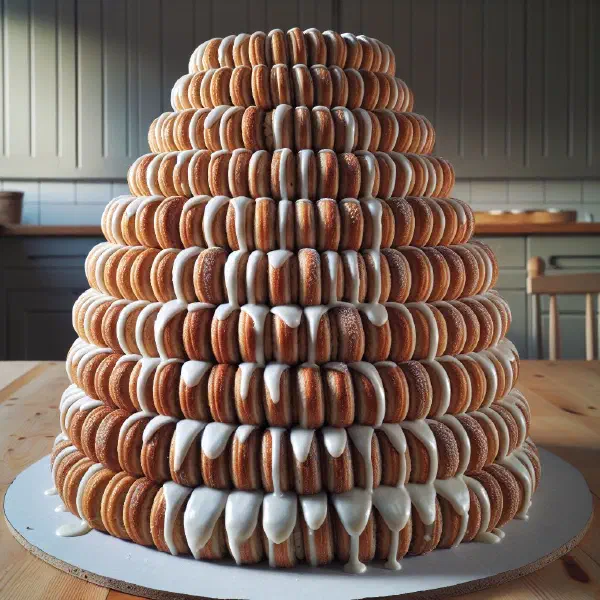
The roots of kringle reach back to the 19th century, when it was celebrated in Norway as a holiday bake. It was traditionally served at Christmas and at weddings, alongside showpieces such as Kransekake. The artful shape and the fragrant filling reflect the warmth of Norwegian hospitality. This pastry has not only flavour but a history behind it, and that is a large part of what makes it special within Norwegian cuisine.
More recipe ideas
Summary: Kringle
In short, kringle is an important part of Norwegian culture. With its versatile filling and elegant form it suits festive occasions and relaxed afternoon coffee equally well. The simple preparation and the scope for adaptation make it an ideal recipe for anyone who wants to spoil their loved ones with something a little special. Enjoy the baking, and let the tradition behind this handsome wreath inspire you.