National Dish Norway: Lapskaus (Recipe)
In this article
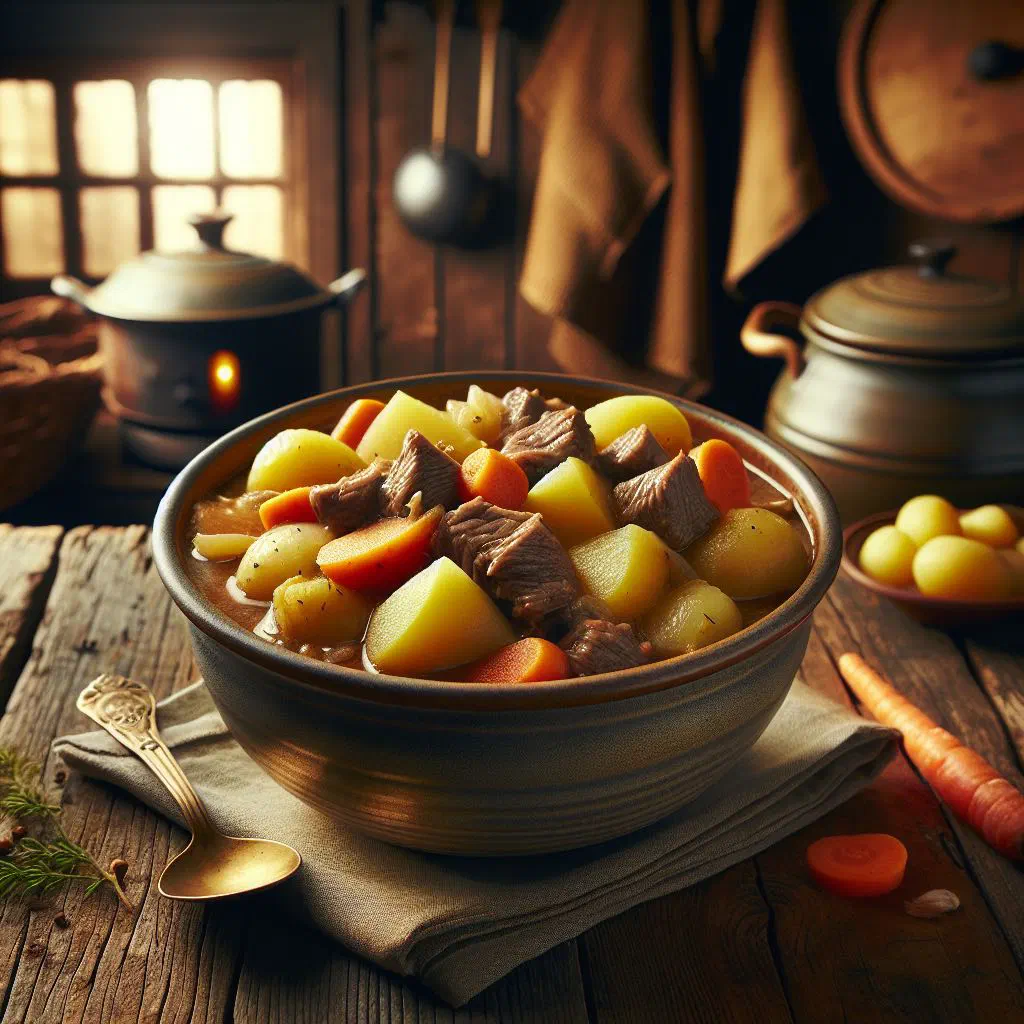
Discover Lapskaus, the hearty stew that Norwegians turn to when the days grow short and cold. Tender potatoes, slow-simmered meat and sweet root vegetables melt together into something thick, creamy and deeply comforting. It is humble, unfussy food born of Nordic thrift, yet every spoonful carries a little of Norway’s culture with it. Few dishes say “welcome in from the cold” quite so convincingly.
About Lapskaus
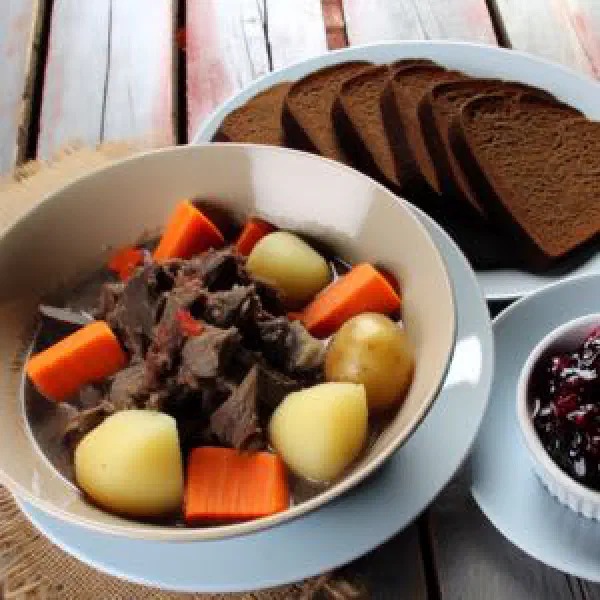
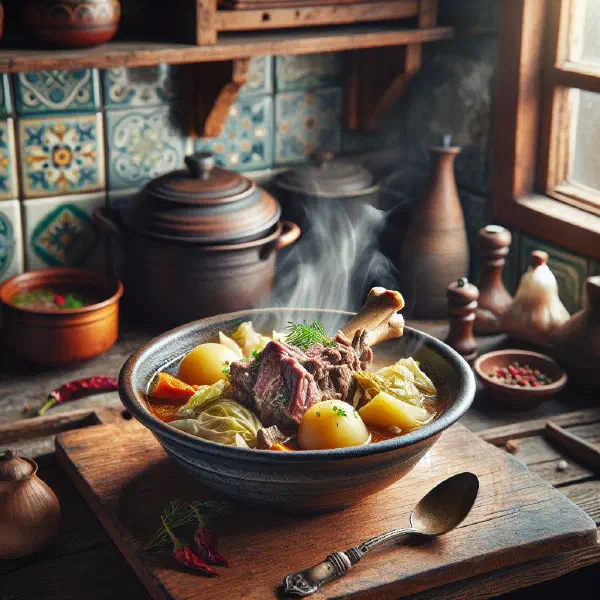
Lapskaus is a traditional Norwegian dish that comes into its own during the coldest months of the year. It brings together soft potatoes, savoury meat and fresh vegetables in a rich, almost creamy stew. Its roots reach a long way back and reflect the simple but nourishing cooking of the Nordic countries. The exact preparation varies from region to region and from household to household, but the essential character of the dish always stays the same.
Ingredients (serves 1–2)
- 300 g potatoes
- 200 g beef (or lamb)
- 1 carrot
- 1 onion
- 500 ml vegetable or meat stock
- Salt and pepper, to taste
- 1 tablespoon oil or butter
- Fresh parsley, to garnish
Shopping for the ingredients
For an authentic lapskaus, the ingredients should be fresh and of good quality. Visit your local market or a well-stocked supermarket to pick up the produce you need. Choose meat from regional suppliers wherever possible, as this gives the best depth of flavour. With vegetables it pays to go for seasonal produce, the same principle that makes a simple Gronnsakssuppe taste so much better in autumn.
Preparing the dish
Good preparation is the first step towards a successful lapskaus. Peel the potatoes and cut them into even cubes so that they cook through at the same rate. The vegetables, carrots and onions, should be chopped small as well, so they blend harmoniously with everything else in the pot. Allow yourself plenty of time to get everything ready at a calm pace; that groundwork is what makes the finished dish come together perfectly.
Step-by-step instructions
- Cut the meat into cubes and brown it in a large pan with the oil or butter.
- Add the onions and carrots and fry briefly until they begin to soften.
- Tip in the potatoes and stir everything together well.
- Pour in the stock, deglaze the pan and bring to the boil.
- Lower the heat and let the stew simmer gently for 30–40 minutes, until the vegetables and meat are tender.
- Season with salt and pepper and scatter over the fresh parsley just before serving.
Gluten-free / lactose-free version
Lapskaus is easy to make gluten-free and lactose-free, which makes it an ideal dish for anyone with food intolerances. Simply check that your stock is certified gluten-free and leave out any dairy. Using plant-based oil or margarine instead of butter takes care of the lactose-free version. The flavour of the traditional dish stays fully intact while remaining accessible to every guest at the table.
Tips for vegans and vegetarians
For a vegan or vegetarian lapskaus, replace the meat with plant-based alternatives or pulses. Tofu or seitan give a satisfying texture and soak up the flavours of the stock beautifully. Use vegetable stock as the base and add extra vegetables such as peppers or broccoli to build a wider range of flavours. Experiment with different herbs and spices until the dish tastes exactly the way you want it.
More tips and tricks
To make your lapskaus really shine, season the stock generously and consider deepening the aroma with herbs. Thyme or rosemary work particularly well here. Let the stew rest for a while after cooking so the flavours have time to settle and develop. Lapskaus also reheats superbly, many Norwegians insist it tastes even better the next day, much like a slow-cooked Sodd.
Adapting the recipe to your taste
Lapskaus is an exceptionally adaptable dish and can be reshaped to suit personal preference. Add more vegetables, for instance, to create a brighter, healthier version. A glass of red wine or a pale beer goes wonderfully alongside. You can also play with the choice of meat or the spicing to steer the stew towards your own taste, some cooks lean towards the richer, gamier notes of a Krydret Reinsdyrgryte.
Ingredient substitutions
If some of the ingredients are not available, alternatives are easy to find. Instead of beef, pork or chicken both make a tasty choice. In place of ordinary potatoes you can use sweet potatoes or a mix of other root vegetables. We would encourage you to be creative and simply work with whatever you happen to have to hand.
Drink pairing ideas
The right drink can lift the whole lapskaus experience considerably. An open red wine or a dark beer are the classic companions to this hearty stew. For an alcohol-free option, a sharp lemonade or a chilled sparkling water works nicely. Either way, the drink should complement the food and round the meal off pleasantly.
Serving and presentation ideas
Presentation can make all the difference when you are serving lapskaus to guests. Bring the stew to the table in an attractive bowl and garnish it with fresh parsley or chives. A rustic wooden board or a stylish serving tray creates an inviting look. Round the meal off with a side of bread, Flatbrod is the traditional choice, or a little pickled vegetable for contrast.
A bit of history
The history of lapskaus goes back to the 19th century, when it became popular in Norway as a nourishing and inexpensive meal. It was often made from leftover meat, which made it a typical dish for ordinary farming families. Over time it grew into one of the best-loved staples of Norwegian cuisine and a mirror of the country’s rural traditions. Its versatility and simplicity also made it a favourite among people doing hard physical work.
More recipe ideas
Summary: Lapskaus
Lapskaus is a delicious and versatile dish and a symbol of Norwegian cooking. The combination of meat, potatoes and vegetables unites flavour and nourishment in one warming stew. Its straightforward preparation and easy adaptability make it a reliable choice for any occasion. Take the time to try this traditional dish and enjoy the warmth and comfort it has to offer.