National Dish Norway: Rakfisk (Recipe)
In this article
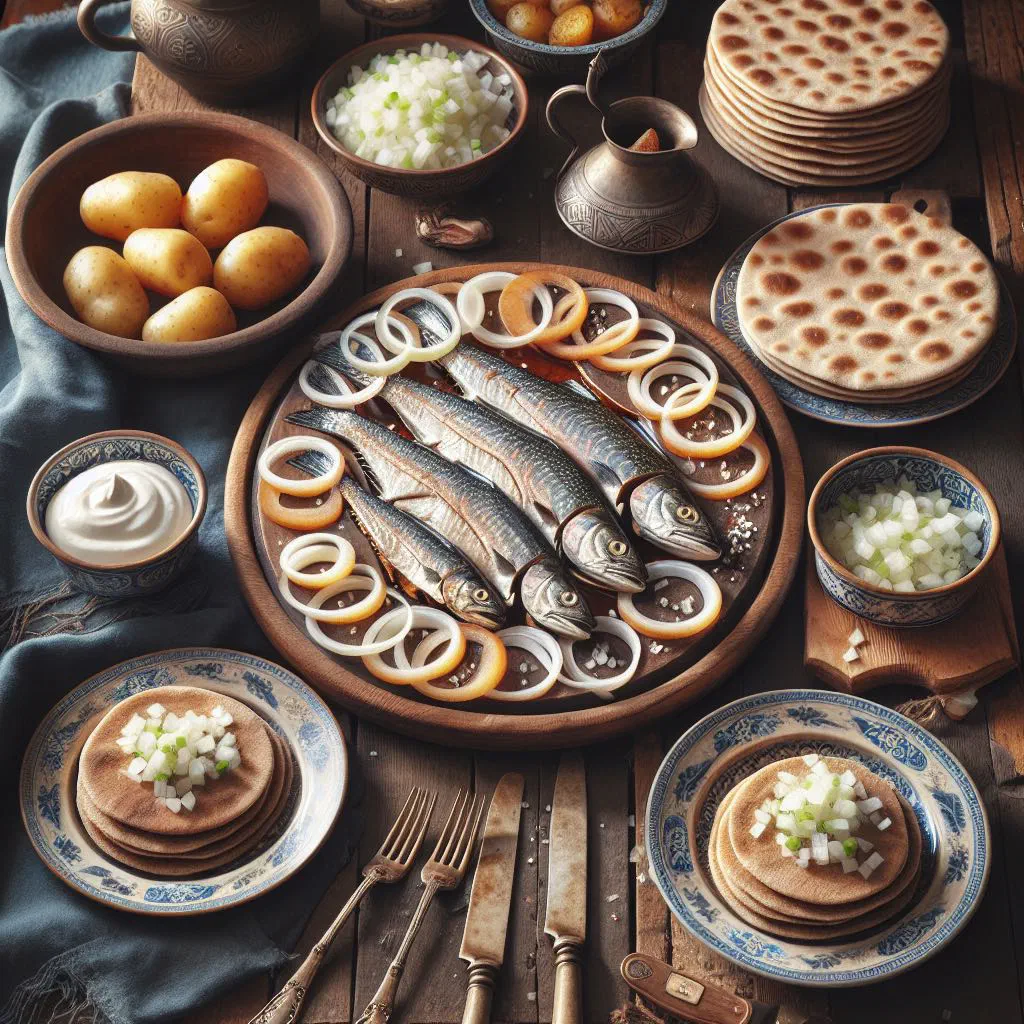
Discover Rakfisk, Norway’s boldest culinary treasure. Salted trout is left to ferment for months until it develops a pungent, tangy character that connoisseurs adore. Served in delicate slices on soft flatbread with sour cream, sharp red onion and fresh dill, it is a taste of the far north that no one forgets. Adventurous eaters, this one is for you.
About Rakfisk
Rakfisk is far more than a traditional Norwegian dish. It is a piece of cultural heritage rooted deep in the country’s history. What sets this national dish apart is the way it is made: trout is salted and then left to ferment for several months. The result is an intense eating experience, marked by a savoury, gently sour note that is greatly prized by those in the know. Rakfisk is usually served with soft flatbreads such as lefse, along with accompaniments like onion and sour cream. Its appeal lies in that contrast between utter simplicity and the complex aromas that develop during fermentation, the same patient craft behind Lutefisk.
Ingredients (serves 1–2)
- 300–400 g rakfisk (fermented trout)
- 2 lefse (Norwegian flatbreads) or thin soft flatbreads
- 1/4 cup sour cream
- 1/2 red onion, finely sliced
- Fresh dill, to taste
Shopping for the ingredients
Rakfisk can be found in well-stocked Scandinavian delicatessens or ordered online from specialist shops. When buying it, freshness and quality matter above all, a reputable supplier is worth seeking out. The remaining ingredients, such as sour cream, onions and dill, are available in most supermarkets. Lefse can either be made at home or picked up from the same delicatessen.
Preparing the dish
Before serving, take the rakfisk out of the fridge and let it come up to room temperature, the aromas open up considerably as it warms. It is customary to cut the fish into thin slices. The onions should be finely sliced so that they complement the intense flavour of the fish rather than masking it.
Step-by-step instructions
- Take the rakfisk out of its packaging and cut it into small, bite-sized pieces.
- Spread the pieces of fish evenly over the lefse or flatbreads.
- Add a dollop of sour cream on top of the fish.
- Scatter over the finely sliced onion and plenty of fresh dill.
- Roll up the lefse or flatbreads and serve.
Gluten-free / lactose-free version
Rakfisk itself is naturally gluten-free, so the only adjustment needed is the bread. Swap the lefse for gluten-free flatbreads or plain rice crackers and the dish suits anyone with a gluten intolerance. For a lactose-free version, replace the sour cream with a plant-based or lactose-free cultured cream, the tang works just as well against the fermented fish.
Tips for vegans and vegetarians
Rakfisk is a fish dish and cannot be made vegan in any meaningful sense, but the trimmings translate beautifully. Build the same rolls with marinated beetroot, smoked mushrooms or firm tofu, using soy or coconut yoghurt for creaminess. The interplay of sour cream, sharp onion and dill is what carries the flavour, so vegetarian guests need not miss out on the experience entirely.
More tips and tricks
To soften the intensity of rakfisk a little, be generous with the dill, its freshness balances the pungency remarkably well. Some cooks swear by soaking the fish briefly in cold water before serving to draw out a little of the salt. Serve small portions rather than large ones; this is a dish best approached in measured, appreciative bites.
Adapting the recipe to your taste
Not everyone likes their rakfisk the same way. To put your own stamp on it, add extra seasonings such as freshly ground pepper or a smear of mustard, which cuts through the richness nicely. The ratio of accompaniments to fish can also be varied at will, more sour cream for a mellower mouthful, more onion for bite.
Ingredient substitutions
If you cannot get hold of lefse, other thin flatbreads or even crackers make a perfectly good base, Flatbrod is the classic Norwegian option. A vegan alternative to sour cream comes in the form of soy or coconut yoghurt, which supplies the same creamy component. Pickled cucumber can stand in for the raw onion if you prefer something gentler.
Drink pairing ideas
Rakfisk traditionally calls for aquavit or a good beer, both of which stand up to its powerful flavour. For a non-alcoholic option, a strong black tea complements the savoury notes of the fish surprisingly well. Whatever you pour, keep it cold and keep it simple, subtlety would be lost here.
Serving and presentation ideas
A rustic wooden board is ideal for showing off rakfisk and underlining its Scandinavian charm. Garnish the dish with fresh herbs and offer the accompaniments separately in small bowls so guests can build their own rolls. Add a few pickles and a wedge of brown cheese and you have the makings of a proper Koldtbord.
A bit of history
The art of fermenting fish in Norway goes back to the Middle Ages. One reason for this method of preservation was to keep fish available through the long, cold winter, when fresh catches were scarce and salt was expensive. Today rakfisk is enjoyed above all in autumn and at festive occasions such as Christmas and New Year’s Eve, and it remains one of the most distinctive expressions of Norwegian cuisine.
More recipe ideas
Summary: Rakfisk
Rakfisk is a genuinely singular dish, one that will pleasure anyone with a fondness for fermented food. This national dish is a flavour journey through Norway’s culinary culture. It asks a little courage of first-timers and rewards them with something they will not find anywhere else. Give it a try, and serve it with plenty of dill.