National Dish Norway: Smørgrøt (Recipe)
In this article
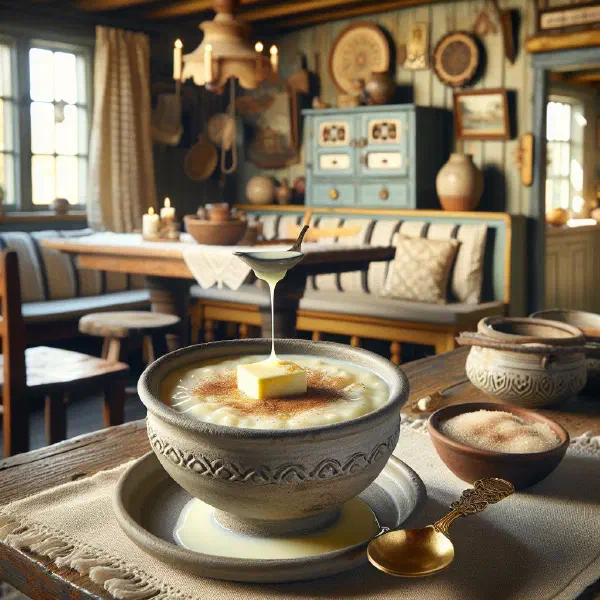
Meet Smørgrøt, the buttery semolina porridge that has warmed Norwegian kitchens for generations. Made from little more than semolina, milk and a generous knob of butter, it turns the simplest of storecupboard staples into something genuinely comforting. A dusting of cinnamon and a spoonful of sugar are all it takes to finish the bowl, which makes this a wonderfully forgiving dish for cold mornings and long winter evenings alike.
About Smørgrøt
Smørgrøt is a traditional Norwegian dish prepared from semolina and milk. Its roots lie in the plain but nourishing cooking of the countryside, and it remains a firm favourite in Norway to this day. This creamy, buttery porridge is filling and offers a soothing warmth on cold days. The method is straightforward, which is exactly what makes it such perfect comfort food.
Ingredients (serves 1–2)
- 3–4 tablespoons semolina
- 500 ml milk
- 2–3 tablespoons butter
- Sugar, to taste
- Cinnamon, to taste
Shopping for the ingredients
The ingredients for smørgrøt are easy to find in most supermarkets. Choose fresh milk and good-quality butter for the best flavour. Semolina comes in several varieties, but for the traditional recipe fine wheat or millet semolina works best. Do not be fooled by the simplicity of the shopping list, the secret to a successful smørgrøt lies in how the flavours come together.
Preparing the dish
Getting ready to cook smørgrøt is quick and simple. Set out all your ingredients first so the cooking runs smoothly from start to finish. It is worth warming the milk gently in a pan before adding the semolina, as this helps prevent lumps forming. Have your sugar and cinnamon to hand as well, so you can season the finished porridge exactly to taste.
Step-by-step instructions
- Warm the milk in a pan over medium heat.
- Add the semolina slowly, stirring constantly.
- Bring the mixture to the boil and simmer for 5–10 minutes, stirring all the while.
- Stir in the butter until it has melted completely.
- Serve with sugar and cinnamon to taste.
Gluten-free / lactose-free version
If you would like to make smørgrøt gluten-free or lactose-free, alternative ingredients work well. Gluten-free semolina, such as maize semolina, is an excellent option. For a lactose-free version, simply use lactose-free milk or plant-based alternatives such as oat or almond milk. Keep an eye on the consistency, as plant milks behave slightly differently while cooking.
Tips for vegans and vegetarians
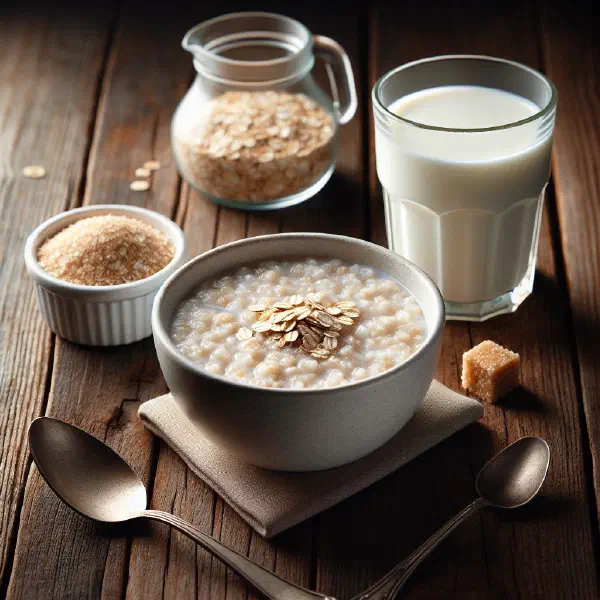
Vegans can adapt smørgrøt easily by leaving out the butter or replacing it with a plant-based alternative. Plant milks such as soya, oat or coconut milk are ideal here too. You can also adjust the sweetness to suit yourself or reach for natural sweeteners like agave syrup. With those swaps in place, a delicious vegan bowl is well within reach, much like the fruit-topped Havregrot.
More tips and tricks
To deepen the aroma of smørgrøt, try different spices such as vanilla or nutmeg. Play with the consistency too, using more or less milk depending on how you like it. Serving the porridge in pretty bowls makes the whole experience feel more special. Adding fresh fruit, berries or sliced banana, for instance, gives the dish a lively, fruity lift.
Adapting the recipe to your taste
The best thing about smørgrøt is how versatile it is. Feel free to adjust quantities and ingredients to suit yourself. If you like it especially creamy, use a little less semolina. For a sweeter version, add more sugar or stir through some dried fruit. The key is to shape the recipe around your own palate and see what you enjoy most.
Ingredient substitutions
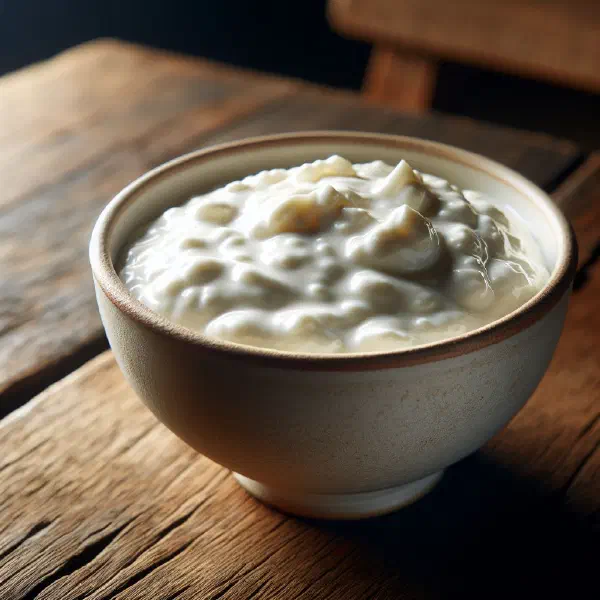
There are plenty of alternatives to the traditional ingredients in smørgrøt. If you have no semolina to hand, polenta makes a good stand-in. In place of butter you can use plant-based margarine or coconut oil. Even the milk can be swapped for different varieties to achieve other flavours and textures, the same freedom you have with a bowl of Risengrynsgrot or the richer Rommegrot. This flexibility means everyone can find a version they like.
Drink pairing ideas
Several drinks round off a bowl of smørgrøt nicely. A cup of hot tea or the aroma of freshly brewed coffee both work beautifully. If you would prefer something alcoholic, a light, fruity white wine is a good choice. These pairings heighten the pleasure of the meal and create a cosy atmosphere at the table.
Serving and presentation ideas
Presentation matters a great deal with smørgrøt. Serve it in attractive bowls and decorate with a pinch of cinnamon and a scattering of fresh berries. A small spoonful of whipped cream, or a vegan alternative, makes a lovely addition, as does a swirl of Multebaersyltetoy. Aim for appealing colours in the bowl to whet the appetite before the first spoonful.
A bit of history
Smørgrøt has a long history and is a symbol of Norwegian cuisine. Originally cooked by farmers and labourers, it provided simple, nourishing food for cold, long winter days. Its flavour and easy preparation have kept it popular across generations. Today it remains a much-loved dish for many Norwegians and is often served on special occasions.
More recipe ideas
Summary: Smørgrøt
In short, smørgrøt is a simple yet flavourful dish that leaves ample room for creative variation. It brings the taste of Norway straight to the table. The combination of semolina, milk and warming spices makes for a distinctive eating experience that is at once nostalgic and consoling. Give it a try and let Norwegian cooking work its quiet magic.