National Dish Oman: Baklava (Recipe)
In this article
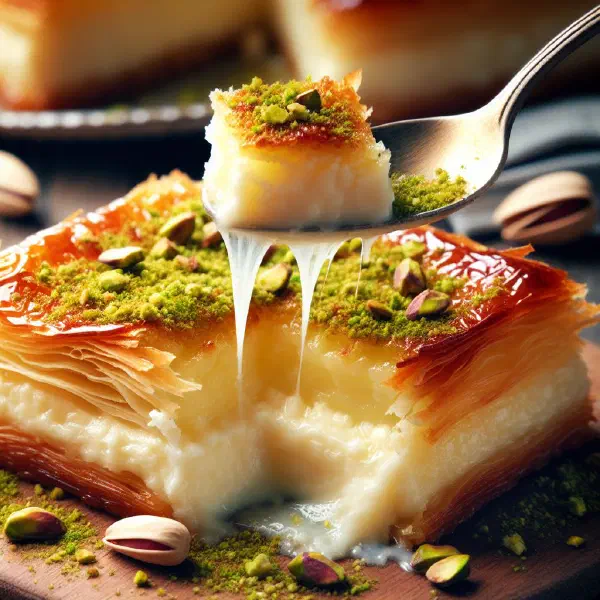
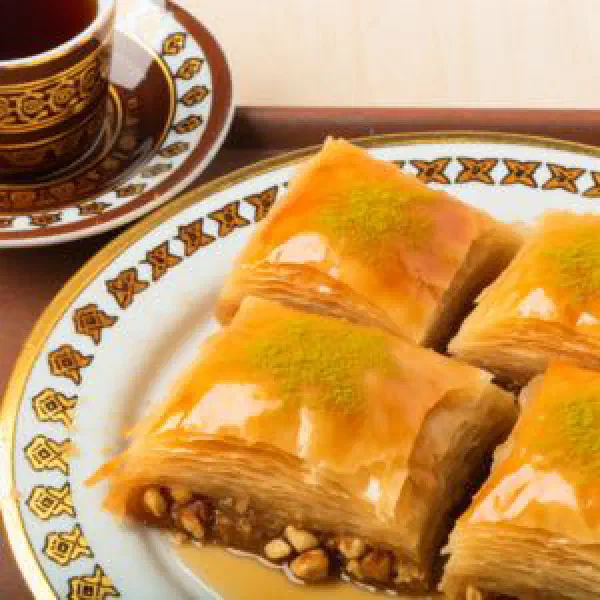
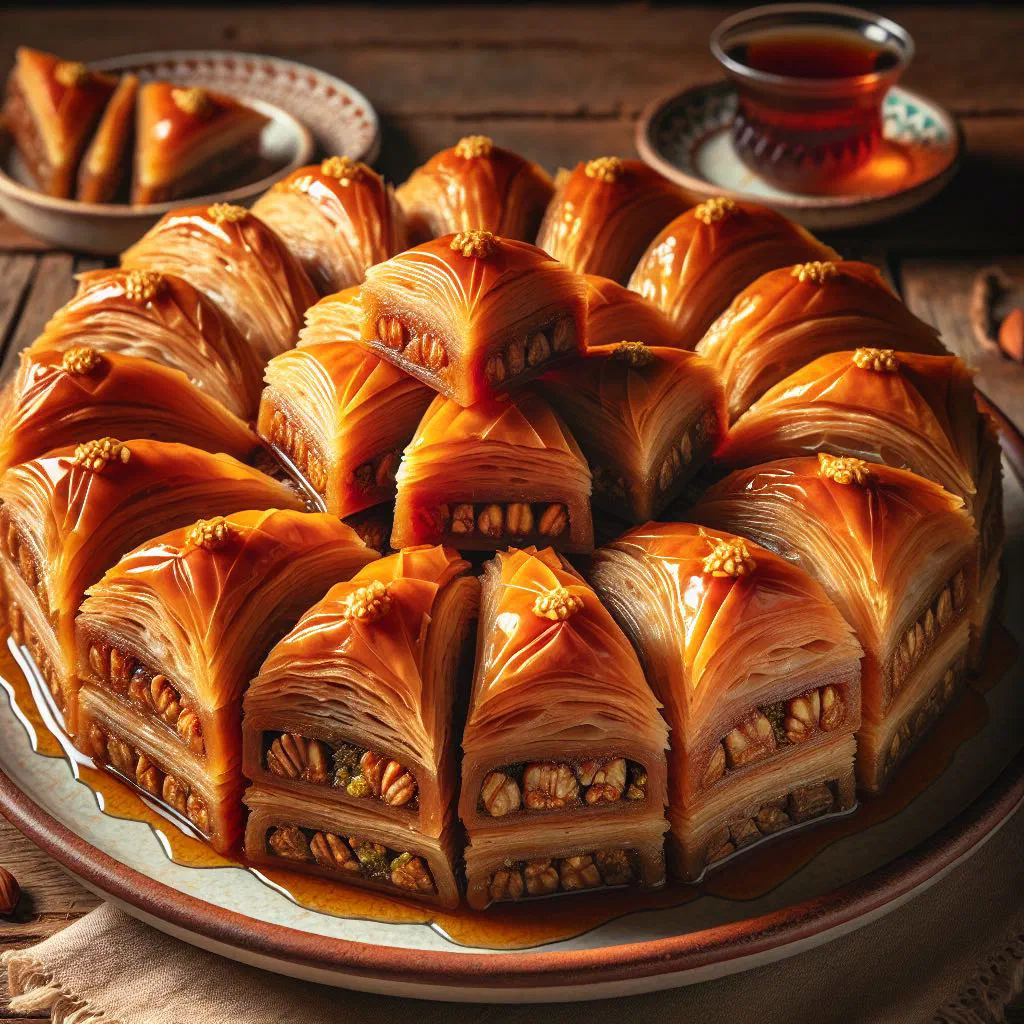
Discover Baklava, the golden jewel of Omani sweet tables. Delicate sheets of pastry are layered with a fragrant blend of nuts and drenched in sticky honey syrup, creating a dessert that is as beautiful to look at as it is to eat. This classic Middle Eastern treat delivers pure indulgence with every crisp, syrup-soaked bite.
About Baklava
Baklava is a much-loved dessert enjoyed across the Middle East and the Mediterranean, and in Oman it holds a special place in the country’s culinary heritage. Its charm lies in the contrast of crisp filo layers with a rich, sweet filling of chopped nuts bound together by honey. Served at celebrations or savoured as a small everyday indulgence, baklava wins people over with its warm, aromatic flavours and its very sweet, sticky texture.
Ingredients (serves 1–2)
- 250 g filo pastry
- 150 g ground nuts (such as pistachios, walnuts or almonds)
- 100 g butter, melted
- 100 g honey
- 100 ml water
- 1 teaspoon cinnamon
- 1 tablespoon sugar
Shopping for the ingredients
When shopping for baklava, it pays to pay close attention to the quality of your ingredients. The filo pastry in particular should be as fresh as possible to achieve the ideal crisp texture. Ground nuts are widely available in supermarkets and international grocery shops, so you can pick whichever variety you prefer. Choose a good-quality honey too, as it does much of the work in bringing out the deep, rounded sweetness of the finished dessert.
Preparing the dish
Before you begin assembling the baklava, it is worth getting everything properly prepared. The filo pastry should be unrolled gently and kept covered with a damp cloth to stop it drying out. The nuts can be finely ground or roughly chopped, depending on whether you prefer a smooth or more textured filling. Melt the butter in advance so it can be brushed evenly across each layer of pastry as you build up the stack.
Step-by-step instructions
- Preheat the oven to 175 °C and grease a baking tray.
- Lay a sheet of filo pastry on the tray and brush it with melted butter.
- Repeat with a further 7–8 sheets, buttering each one.
- Mix the ground nuts with the cinnamon and sugar, then spread a layer of the nut mixture over the pastry.
- Repeat steps 2 to 4, alternating pastry and filling, until all the ingredients are used up.
- Cut the baklava into diamonds or squares and drizzle over the remaining butter.
- Bake for 30–35 minutes until golden brown.
- Meanwhile, prepare the syrup by simmering the honey and water together for a few minutes.
- Once baked, pour the syrup over the hot baklava and leave it to cool.
Gluten-free / lactose-free version
Baklava can be adapted for a gluten-free diet by using one of the ready-made gluten-free filo alternatives now stocked by many supermarkets. For a lactose-free version, simply swap the butter for plant-based margarine, which delivers the same rich flavour without any dairy. Using free-from products this way means guests with intolerances can still enjoy every syrupy layer of this classic dessert.
Tips for vegans and vegetarians
To make baklava suitable for vegans and vegetarians, replace the honey with a plant-based syrup such as agave or maple syrup, and use a vegan margarine in place of butter. Feel free to vary the nut filling to suit your taste, mixing different varieties for a more interesting result. With just these small swaps, everyone can enjoy this fragrant Middle Eastern treat without any animal products.
More tips and tricks
A few simple tips can make all the difference to your baklava. Take care to build the filo layers neatly and evenly to guarantee a crisp, shatteringly light texture. Brushing each sheet generously with melted butter helps the pastry rise well and turn a beautiful golden colour in the oven. Storing the finished baklava in an airtight container also keeps it fresh and prevents the layers from going soft.
Adapting the recipe to your taste
Baklava is easy to tailor to your own preferences. Experiment with different types of nut, or add extra spices such as nutmeg or cloves to give the dessert a personal signature. The amount of sugar or honey can be adjusted to make it more or less sweet, and you can vary the number of filo layers depending on whether you like your baklava thick and substantial or thin and delicate.
Ingredient substitutions
There are plenty of alternatives you can turn to when making baklava. In place of the usual nuts, try more exotic options such as cashews or macadamias for a different character. When it comes to sweetening, you might reach for coconut blossom sugar or stevia instead of ordinary sugar. Substitutions like these open up new flavours and let you put your own spin on this dessert, much as you might with a batch of Luqaimat or Gaimat.
Drink pairing ideas
The right drinks round off a plate of baklava perfectly. Traditionally, sweet teas or Omani coffee pair beautifully, echoing and lifting the dessert’s aromatic notes. Alternatively, a fresh mint tea or a refreshing pomegranate juice helps balance the sweetness. You might also consider serving a non-alcoholic cocktail with fresh fruit or citrus to add a special touch to the occasion. A cup of Karak Tea is another lovely match.
Serving and presentation ideas
Presentation can be key to the overall impression baklava makes. Serve the cut pieces on an attractive plate and garnish with chopped nuts or a few fresh mint leaves. A light dusting of icing sugar adds an elegant finishing touch, while colourful plates or a considered backdrop help this refined dessert stand out. Arrange the diamonds neatly to show off those glistening, syrup-soaked layers.
A bit of history
The history of baklava reaches far back into antiquity and is closely tied to the culinary heritage of Ottoman cuisine. many legends surround its origins, with many believing it was first created in the palace kitchens of the Ottoman Empire. Baklava is beloved not only in Oman but across many countries, each of which has given the recipe its own distinctive touch. This rich tradition of regional variation has made baklava a true symbol of Middle Eastern sweet-making and a proud part of Omani cuisine.
More recipe ideas
Summary: Baklava
In short, baklava is a delicious, traditional dessert whose crisp pastry layers and rich filling of nuts and honey bring joy to every palate. This indulgent treat showcases the variety of Omani cuisine. With a few adjustments and creative variations, baklava is easily tailored to individual tastes. Let its warm aromas tempt you and treat yourself to a piece of this Middle Eastern classic.