National Dish Oman: Margoog (Recipe)
In this article
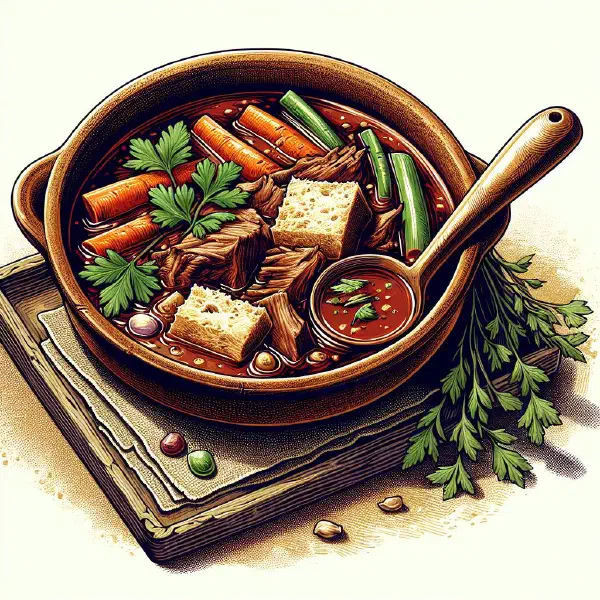
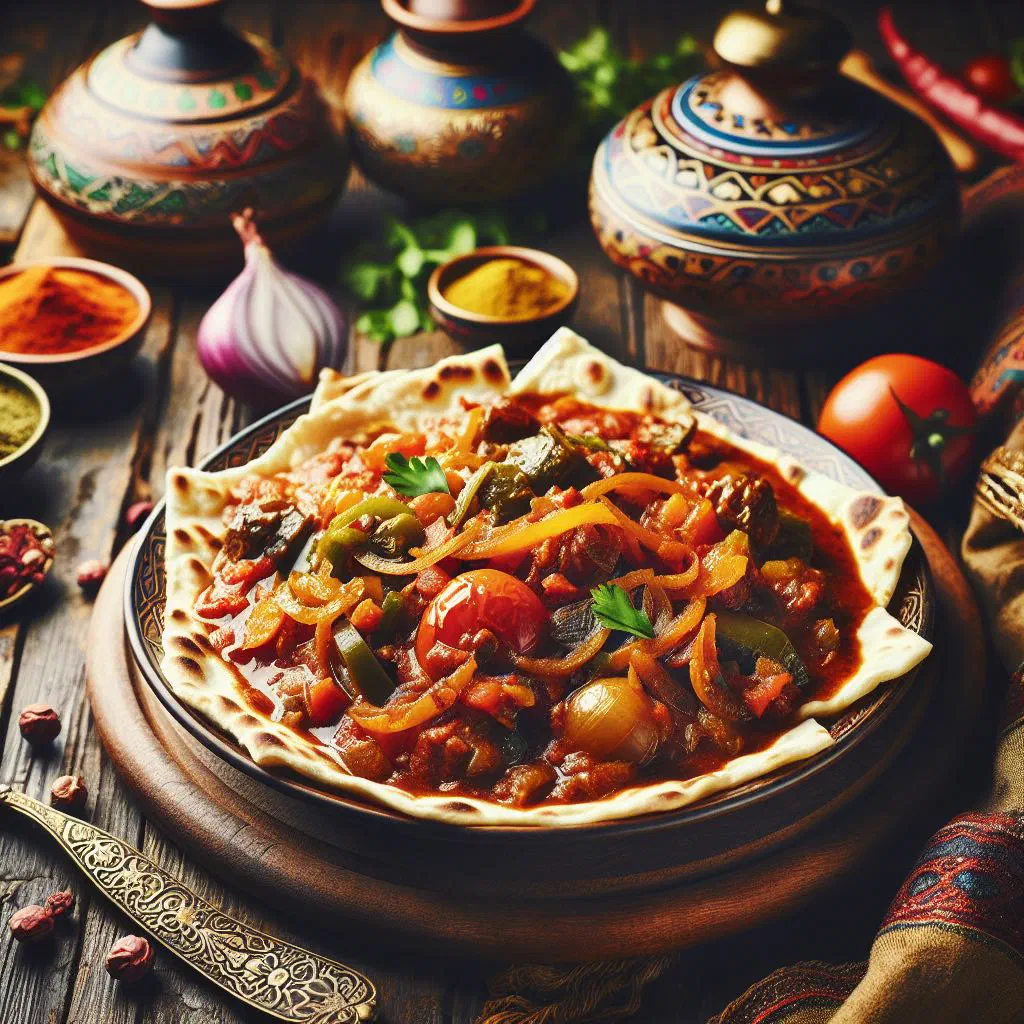
Meet Margoog, a heart-warming classic from the Sultanate of Oman that brings together tender meat, fresh vegetables and a fragrant blend of spices. This rustic dish is built around soft pieces of dough that soak up a rich, savoury broth, making it wonderfully filling. Traditionally served at festive gatherings and cosy family meals alike, Margoog offers a delicious taste of Omani home cooking that you can easily recreate in your own kitchen.
About Margoog
Margoog is a traditional national dish from Oman, celebrated for its distinctive, comforting flavours. It is a delicious preparation made from perfectly seasoned meat, fresh vegetables and a generous mix of aromatic spices. The combination of these ingredients gives Margoog a wonderful taste and its truly heart-warming character. It is served mainly at festive occasions or as a cosy family meal, which gives it a special place in Omani cuisine.
Ingredients (serves 1–2)
- 300 g meat (beef or lamb)
- 1 cup wheat-flour dough
- 2 carrots, diced
- 1 large onion, chopped
- 1 pepper, diced
- 1 teaspoon turmeric
- 1 teaspoon cumin
- Salt and pepper to taste
- 2 tablespoons olive oil
- Water for steaming
Shopping for the ingredients
Before you begin preparing Margoog, it is important to gather all the ingredients you need. Take care to choose fresh, good-quality meat, as this has a significant impact on the flavour of the finished dish. The spices should be fresh too, to guarantee the aromatic depth that sets this dish apart. Many of the ingredients can be found in a well-stocked supermarket or at an Arabic grocery, much like the staples you would reach for when making a warming Lamb Tagine.
Preparing the dish
Once you have sourced all the ingredients, you can start getting the dish ready. First, cut the meat into small pieces so it cooks more quickly and absorbs the flavours more readily. The vegetables need to be washed and diced into small, even cubes to ensure they cook uniformly. Prepare the wheat-flour dough by kneading it and letting it rest, so it becomes elastic and easy to shape.
Step-by-step instructions
- Heat the olive oil in a large pot and fry the onions until golden brown.
- Add the meat and cook for a few minutes until it is lightly browned on all sides.
- Stir in the diced vegetables and the spices, mixing everything together well.
- Pour in a little water to create a light broth, then let it simmer for 10 minutes.
- Prepare the dough by shaping it into a round form and placing the meat-and-vegetable mixture in the centre.
- Fold the dough over the filling and press the edges together firmly.
- Steam the dish for about 30–40 minutes, until the dough is cooked through.
- Serve Margoog warm and enjoy its hearty aroma.
Gluten-free / lactose-free version
For anyone who would like to prepare a gluten-free or lactose-free version of Margoog, a few simple adjustments do the trick. Replace the wheat-flour dough with a gluten-free flour, which you can find in most health-food shops or supermarkets. Take care when buying the meat and vegetables to ensure no lactose-containing products are used. These adjustments make the dish accessible to a wider range of people without any loss of flavour.
Tips for vegans and vegetarians
If you would like to make a vegan or vegetarian version of Margoog, you can easily swap the meat for tofu or extra vegetables. Use protein sources such as chickpeas or lentils to give the dish more substance, just as you would in a hearty Chickpea Stew. Make sure to keep using plenty of spices to achieve the full flavour. Plant-based recipes often offer surprising aromas and textures that will pleasure all your guests.
More tips and tricks
A few extra tips can make preparing Margoog even easier and tastier. Experiment with different vegetables and spices to add your own personal touch. The cooking method can be varied too; you can also bake Margoog in the oven if you do not have a steamer to hand. Keep a careful eye on the dish so that the aromas are not lost along the way.
Adapting the recipe to your taste
Everyone has different taste preferences, and Margoog is an extremely flexible dish. You can adjust the spices to suit your own palate, adding more chilli or garlic, for example, if you like things hotter. The flavours can also be tailored by your choice of meat or by adding more vegetables. The aim is to create a dish that is delicious and perfectly matched to your individual preferences.
Ingredient substitutions
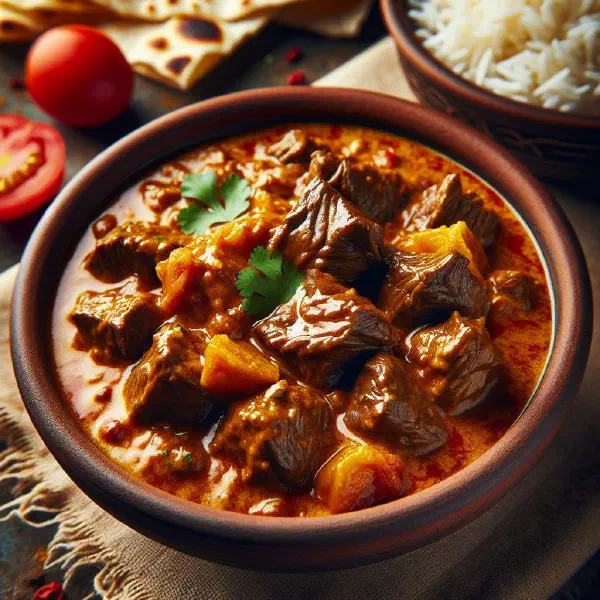
Sometimes certain ingredients are unavailable or simply not to your liking. In such cases you can find alternatives that work just as well. For instance, instead of beef or lamb you could use chicken, and the spice blends can be adjusted to achieve different flavours, much as in a rich Omani Beef Curry. Experimenting with different combinations will help you find the perfect Margoog for your palate.
Drink pairing ideas
To round off the Margoog experience, it is worth considering the right drinks to serve alongside. Traditionally, Oman often offers minty tea or caramelised coffee, both of which harmonise beautifully with the spices of the dish, a cup of Omani Coffee makes a fitting choice. A fresh fruit juice or a non-alcoholic drink can also be a refreshing addition. Choosing the right beverage can considerably elevate the whole dining experience.
Serving and presentation ideas
The presentation of your Margoog can dramatically improve the overall impression of the dish. Serve it in an attractive cooking pot or on a decorative platter, and garnish it with fresh herbs or slices of lemon. Take care to show off the colours of the ingredients to their best advantage. An appealing presentation makes the food more appetising and creates a real WOW effect for your guests.
A bit of history
Margoog has a long history in Omani cooking. It was originally prepared by the Bedouin, who sought out nourishing and long-keeping dishes. It is regarded as a symbol of hospitality and is often served on special occasions. The dish reflects the cultural diversity of Oman and shows how the region’s various influences come together to create something unique, a hallmark of Omani cuisine.
More recipe ideas
Summary: Margoog
Margoog is more than just a dish; it is a culinary experience that engages the senses and represents the traditional art of Omani cooking. With its wealth of flavours and textures, along with the many ways to adapt it, Margoog is ideal for any occasion. Whether festive or relaxed, this dish will pleasure your guests and take you on a flavourful journey through Oman. Let it inspire you and give this delicious recipe a try today.