National Dish Oman: Tabbouleh (Recipe)
In this article
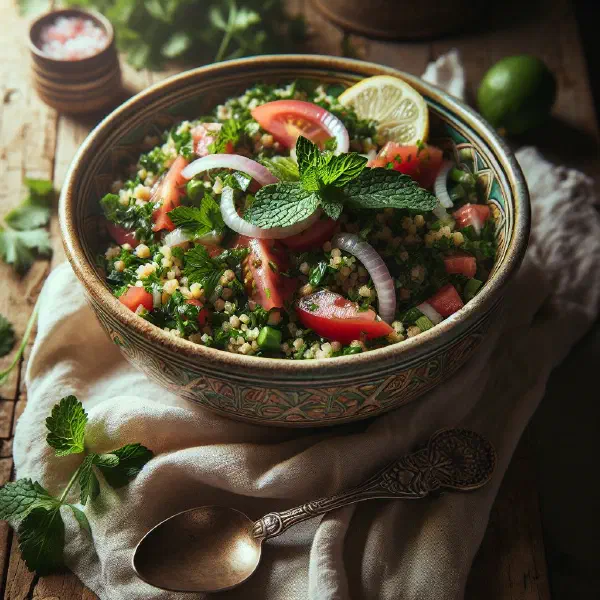
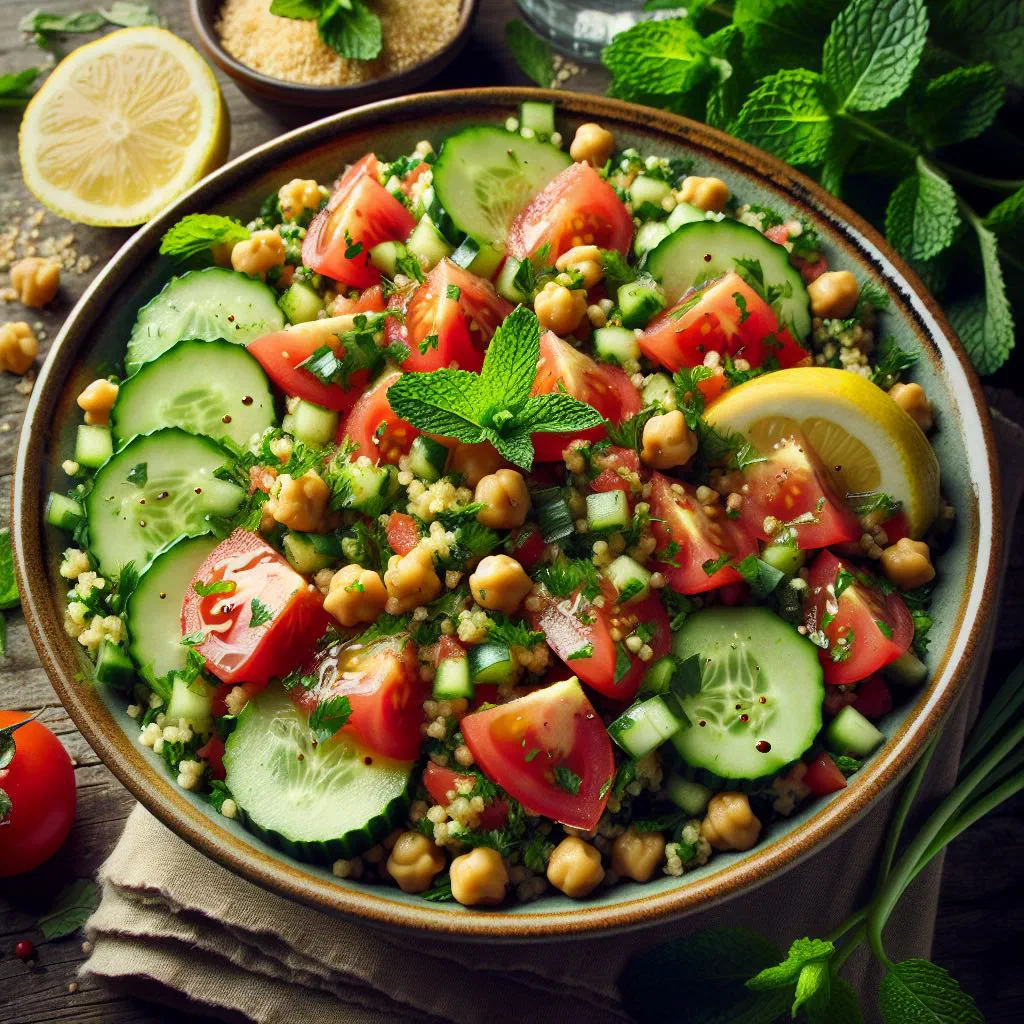
Bright, herby and wonderfully refreshing, Tabbouleh is a salad that has won a devoted following far beyond its Levantine roots, and it holds a treasured place at the Omani table. Finely chopped parsley and mint mingle with juicy tomatoes, nutty bulgur and a generous squeeze of lemon juice, giving you a dish that feels light yet deeply satisfying. Serve it as a bright side or a healthy main, and let its fresh green flavours brighten any meal.
About Tabbouleh
Tabbouleh is a traditional salad with its origins in Arabic cooking, and it is especially cherished across Oman. The dish brings together fresh, wholesome ingredients to deliver a wealth of flavours that please the palate. With its light, refreshing texture it works equally well as a side dish or as a main course. The key components are finely chopped parsley, aromatic mint and juicy tomatoes, all of which are rich in vitamins and antioxidants.
Ingredients (serves 1–2)
- 1 bunch fresh parsley
- 1/2 bunch fresh mint
- 2–3 medium tomatoes
- 1/2 cup bulgur wheat
- Juice of 1 lemon
- 3–4 tablespoons olive oil
- Salt and pepper, to taste
Shopping for the ingredients
When shopping for the ingredients for tabbouleh, it is important to choose fresh, good-quality produce. Make sure the parsley and mint are a bright green and free of any brown spots. The tomatoes should be firm and juicy to bring out the flavour of the salad. Bulgur wheat is available in most supermarkets or at Middle Eastern and Turkish grocers, and it is a great source of dietary fibre.
Preparing the dish
To make tabbouleh, you should first prepare the ingredients. Begin by washing the herbs and tomatoes thoroughly to remove any residue. Chop the parsley and mint finely and dice the tomatoes into small pieces. The bulgur should be soaked or cooked according to the packet instructions until tender, so it lends the salad a perfect texture.
Step-by-step instructions
- Wash the parsley and mint thoroughly and chop them finely.
- Cut the tomatoes into small dice.
- Prepare the bulgur wheat according to the instructions on the packet.
- Combine all the ingredients in a large bowl.
- Add the lemon juice and olive oil and mix well.
- Season with salt and pepper, then chill in the fridge for 30 minutes before serving.
Gluten-free / lactose-free version
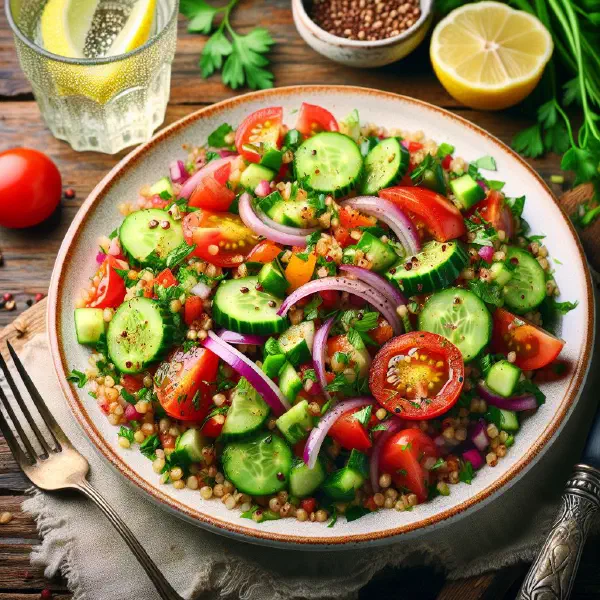
For a gluten-free version of tabbouleh, you can swap the bulgur wheat for quinoa or a mix of rice and a gluten-free pseudo-grain. These alternatives still provide a pleasant texture and are just as nourishing. The dish is also naturally lactose-free, making it suitable for anyone with a lactose intolerance. This makes tabbouleh an ideal option for a wide range of dietary needs.
Tips for vegans and vegetarians
Tabbouleh is a superb dish for vegans and vegetarians, as it contains only plant-based ingredients. You can also adapt the recipe by adding extras such as avocado or cucumber to boost its nutritional variety. A scattering of nuts or seeds can give the salad a satisfying crunch while contributing healthy fats. Experiment with different herbs or spices to give your tabbouleh a personal touch.
More tips and tricks
To make sure your tabbouleh stays fresh and full of flavour, it is worth paying attention to proper storage. Keep the salad in an airtight container in the fridge to preserve the freshness of the herbs. Tabbouleh is best enjoyed within one to two days of making it. Another useful tip is to let the salad rest in the fridge for a while before serving, as this allows the flavours to develop more fully.
Adapting the recipe to your taste
The beauty of tabbouleh is that it is easy to adapt to your own preferences. Add more or less lemon juice depending on your personal taste. Fancy a little heat? A touch of finely chopped chilli can give the salad a pleasant kick. Experiment with different herbs or add alternative vegetables to create new flavour combinations. It pairs beautifully with dips such as Baba Ghanoush or a smooth Hummus.
Ingredient substitutions
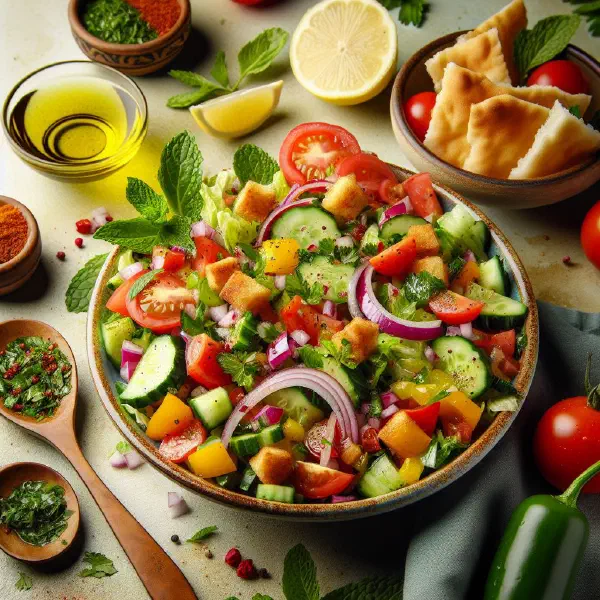
If one of the ingredients is not to your liking, there are plenty of alternatives to try. Instead of bulgur you could use couscous or even roasted vegetables for a different texture, much like the toasted flatbread that gives Fattoush its character. For the herbs, coriander or chives will steer the salad in a new direction. Don’t forget to vary the oils too, using avocado oil or sesame oil to discover fresh aromas.
Drink pairing ideas
Tabbouleh goes wonderfully with a wide range of drinks. A fresh mint tea is an excellent choice for underscoring the dish’s oriental aromas. A refreshing hibiscus tea or a zingy lemonade with lemon and mint also harmonise perfectly with this salad. Alternatively, a dry white wine will complement the freshness and flavours of the dish.
Serving and presentation ideas
To present tabbouleh attractively, arrange the salad in a large bowl and garnish it with extra herbs or lemon slices. A handsome serving platter with a selection of colourful vegetables alongside can lift the dish still further. Use fresh herbs as decoration to highlight the salad’s vivid colours. In the end, thoughtful presentation enhances the whole dining experience and whets the appetite.
A bit of history
The origins of tabbouleh reach far back into Arabic cuisine and have evolved over the centuries. The recipe originally comes from Lebanon but has spread throughout the wider Arab world and is hugely popular in many countries today. Tabbouleh was traditionally served as a side dish to meat dishes, yet it has also become established as a light main course. This cultural journey has allowed the dish to reinvent itself again and again and to be adapted to different tastes across the region, including the bright world of Omani cuisine.
More recipe ideas
- Hummus — a classic chickpea dip
- Baba Ghanoush — a flavoursome aubergine dip
- Fattoush — a colourful salad with toasted flatbread
- Stuffed Grape Leaves — vine leaves filled with a savoury stuffing
- Falafel — crisp, herby chickpea fritters
Summary: Tabbouleh
In short, tabbouleh is a refreshing and nutrient-rich salad that works perfectly as a light side or a main course. The combination of fresh herbs, juicy tomatoes and bulgur wheat offers an incomparable taste experience. What’s more, the dish is remarkably flexible and can be adapted easily to personal preferences and diets. Enjoy the flavours of Oman with this delicious, traditional dish.