National Dish Oman: Thareed (Recipe)
In this article
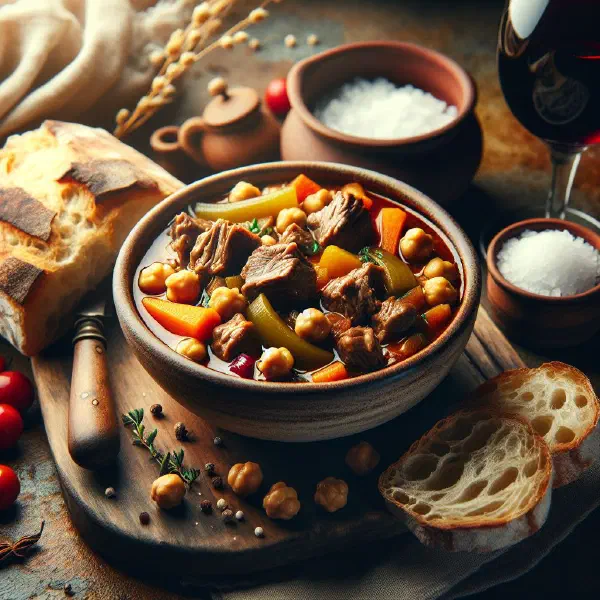
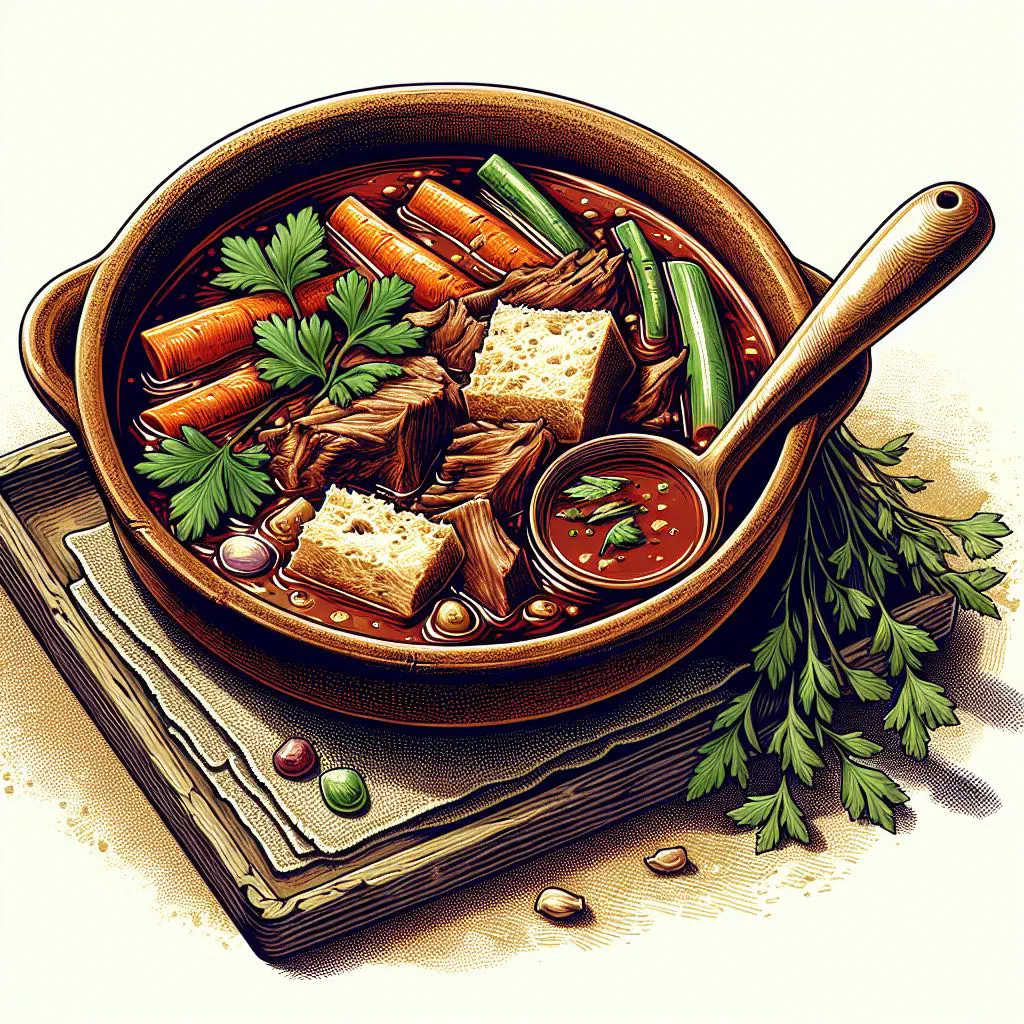
Discover Thareed, a heart-warming Omani classic that layers tender, spiced meat and vegetables over pieces of crisp flatbread. Rich with the warm notes of cumin, cinnamon and turmeric, it is the kind of generous, one-pot dish that turns a family gathering into an occasion. Traditionally served when guests come to call, thareed brings the hospitality of Oman straight to your own table.
About Thareed
Thareed is a traditional Omani dish made from tender pieces of meat simmered with a harmonious blend of spices. Its origins stretch back to the earliest days of Omani cookery, where it was already an important part of the local food culture. Thareed reflects the country’s varied flavours and the hospitable spirit of Oman. It is often served at celebrations and family feasts, which underlines its social significance and its enduring place in the nation’s cuisine.
Ingredients (serves 1–2)
- 400 g lamb or chicken
- 1 large onion, diced
- 2–3 cloves of garlic, chopped
- 2–3 tomatoes, diced
- 1 teaspoon cumin
- 1 teaspoon turmeric
- 1 teaspoon cinnamon
- 2 cups vegetable stock
- 1–2 flatbreads
- Fresh herbs, to garnish
Shopping for the ingredients
Shopping for thareed is very straightforward, as most of the components you need are available in a well-stocked supermarket. When buying the meat, look for fresh, good-quality cuts to get the very best flavour. Spices such as cumin and cinnamon can be found in the spice aisle and are essential to the dish’s authentic aroma. For the fresh herbs that garnish the dish, it is worth visiting a local market or health-food shop, much as you would when gathering ingredients for a warming Lentil Soup.
Preparing the dish
Preparing thareed begins with chopping the vegetables and dicing the meat. To bring out the aromas at their best, grind the spices fresh as you cook. The combination of fresh ingredients and spices is what makes the dish so rich and flavourful. Depending on your taste, you can also add a few extra vegetables such as carrots or squash to fold in more colour and nutrients.
Step-by-step instructions
- Heat a little oil in a large pot and sauté the diced onion and garlic until golden brown.
- Add the diced meat and brown it lightly on all sides.
- Stir in the diced tomatoes and the spices, mixing everything together well.
- Pour in the vegetable stock and let the dish simmer gently over a low heat until the meat is tender.
- Meanwhile, lightly toast the flatbreads in the oven.
- Serve the thareed hot over the toasted bread and garnish with fresh herbs.
Gluten-free / lactose-free version
For a gluten-free or lactose-free version of thareed, you can simply swap the flatbread for a gluten-free alternative. Otherwise, serve the dish without bread altogether and enjoy just the broth and meat on their own. Be sure to leave out any dairy products to keep the lactose-free variation intact. It is important to check all your ingredients carefully to make sure they meet your dietary requirements.
Tips for vegans and vegetarians
Vegans and vegetarians will need to make a few adjustments when preparing thareed. Instead of meat, use a mix of chickpeas, lentils or other pulses to give the dish its protein. You can also add a variety of vegetables such as courgette, aubergine and peppers to make it even more flavourful. Reach for vegetable stock rather than chicken or beef stock to keep the dish completely plant-based.
More tips and tricks
To improve the flavour profile of thareed, let the dish rest for a few hours or even overnight in the fridge. The aromas develop and deepen wonderfully as a result. Keep an eye on the consistency of the broth as it cooks, depending on your preference, you can make it a little thicker or thinner. Adding fresh herbs such as coriander or parsley just before serving will also intensify the taste. Experiment with the amount of spice to create your own favourite version of the recipe.
Adapting the recipe to your taste
Thareed offers plenty of scope to adapt the recipe to your own preferences. You can vary the quantity of spices, for example, to suit your desired level of heat. In some regions of Oman, thareed is enriched with raisins or dried fruit, which lends the dish an interesting hint of sweetness. Consider trying different kinds of meat, or even fish, to discover new flavours. It is a creative way to bring a regional twist into your own cooking.
Ingredient substitutions
If you do not have certain ingredients for thareed to hand, there are plenty of alternatives to try. Instead of lamb or chicken you might use beef, or add fish for a change. For a vegetarian version, tofu or tempeh are good options for a similar protein content, much like the pulses that anchor a hearty Chickpea Stew. With the spices, feel free to experiment, adding a flavour such as garam masala, for instance, gives the dish an Indian note. Adjustments like these can breathe new life into a traditional recipe.
Drink pairing ideas
A hearty dish like thareed goes beautifully with refreshing drinks. Traditionally, Oman often serves fresh mint tea or lime juice, both of which offer a pleasant lift. Yoghurt-based drinks can also be a welcome accompaniment, softening the spices of the dish. Experiment with different fruit juices to broaden the flavour experience and match it to your own preferences, a chilled Fresh Lime Juice is an especially good match.
Serving and presentation ideas
Presentation adds a great deal to the enjoyment of thareed. Serve the dish in a large, decorative bowl to keep it family-friendly and welcoming. A fresh green garnish such as coriander or parsley improves the look and brings extra aroma. You can also work with colourful flatbreads or an attractive platter arrangement to make the table more inviting. Small touches like these can lift the pleasure of the meal considerably.
A bit of history
The roots of thareed reach back to antiquity, when it was known above all as a festive dish across the region. Traditionally it was prepared in large pots so that it could be shared and enjoyed together at special celebrations. In Omani culture the sharing of food plays an important role, and thareed is a symbol of how a meal can bring people together. The variety of ingredients and methods of preparation can differ from region to region, reflecting local traditions and the wider world of Omani cuisine. In this way the dish remains both a cultural inheritance and a treasured part of the modern table.
More recipe ideas
Summary: Thareed
Thareed is a symbol of Omani culture, a dish whose layered flavours offer a tour through the history of the country. With tender meat, beguiling spices and fresh vegetables served over crisp bread, it captures the hospitable traditions of Oman. Thanks to the flexibility of the recipe, meat lovers and vegetarians alike can share in this delicious dish. Enjoy thareed on special occasions or as part of everyday life, and let its many possibilities inspire you.