National Dish Oman: Zaatar Manakish (Recipe)
In this article
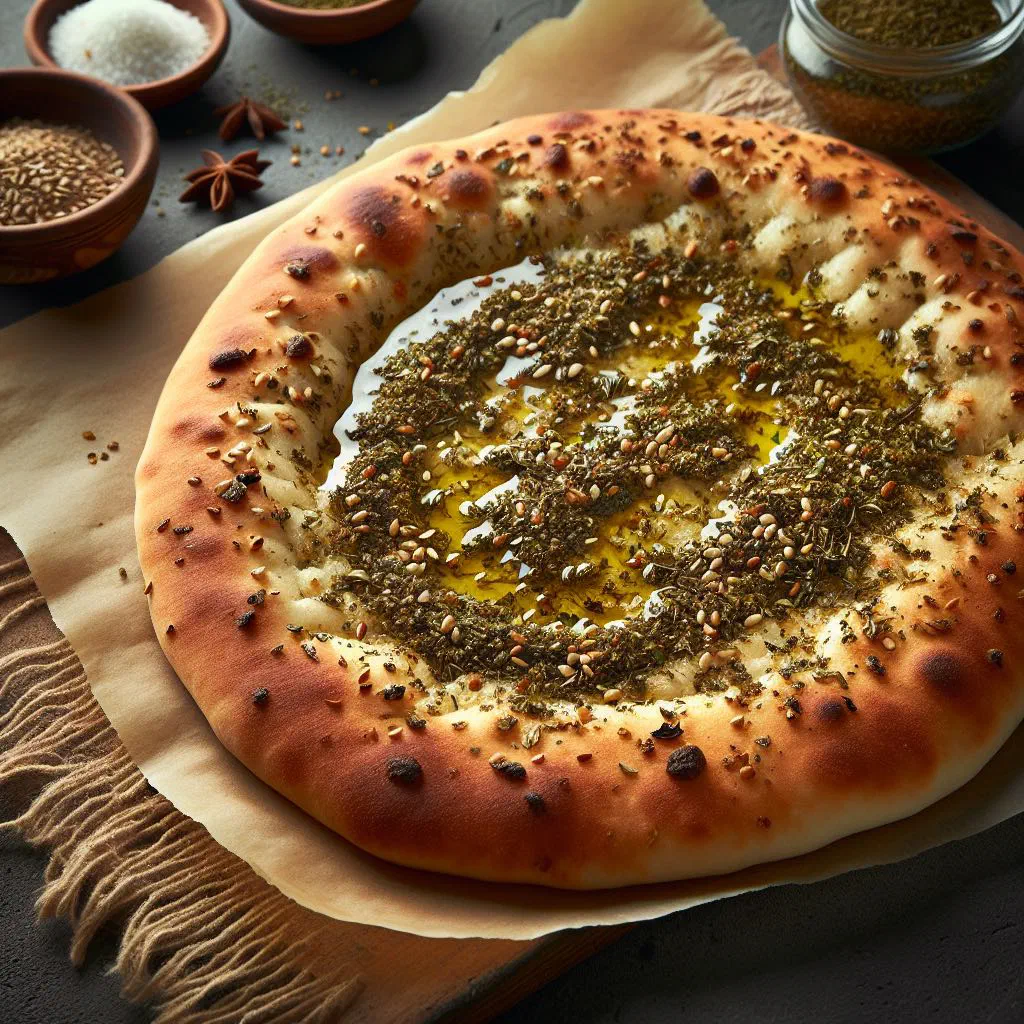
Say hello to Zaatar Manakish, the fragrant flatbread that captures the sun-baked flavours of the Middle East in every bite. A soft, pillowy base is brushed with a heady paste of zaatar and olive oil, then baked until golden and very good. Equally at home as a leisurely breakfast, a light lunch or a moreish snack, it is one of the simplest ways to bring the warm hospitality of Omani kitchens to your own table.
About Zaatar Manakish
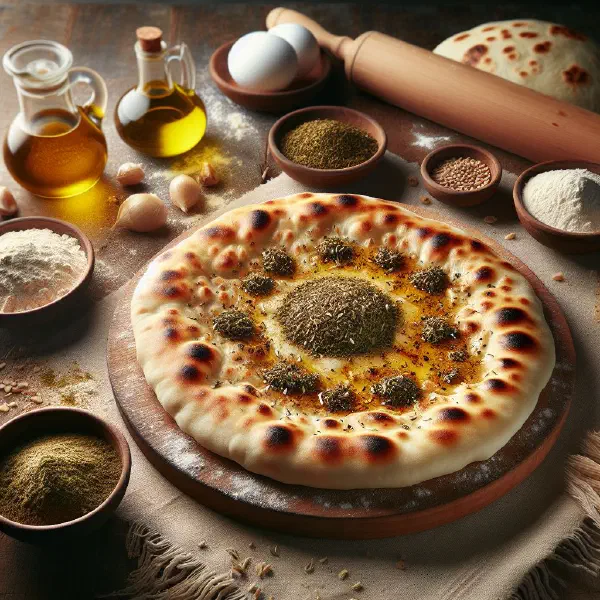
Zaatar Manakish is a much-loved dish from the Middle East, celebrated for how effortlessly it comes together and how deeply satisfying it tastes. At its heart is a traditional flatbread crowned with an aromatic blend of zaatar spices and olive oil. It is often finished with cheese or a scattering of fresh herbs to deepen the flavour. Perfect as a breakfast, a light lunch or a snack, it offers a wonderful window into the culinary beauty of Oman.
Ingredients (serves 1–2)
- 250 g flour
- 150 ml water
- 1 teaspoon dried yeast
- 2 tablespoons olive oil
- 3 tablespoons zaatar spice blend
- A pinch of salt
- Optional: 100 g cheese (feta or mozzarella)
Shopping for the ingredients
To make truly delicious zaatar manakish, it is worth seeking out fresh, good-quality ingredients. The flour should ideally be wheat-based, as it forms the foundation of the flatbread. Zaatar can be found in Middle Eastern grocers or ordered online, where you will also discover fresh herbs and spices. Do choose a good olive oil, as it lifts the flavour of the topping enormously.
Preparing the dish
Preparing zaatar manakish is quick and straightforward. Start by gathering all your ingredients so the process runs smoothly from beginning to end. Line a baking tray ready for the flatbread once it is shaped. While the dough rests, combine the zaatar spice blend with the olive oil to make the perfect spreadable paste.
Step-by-step instructions
- In a bowl, combine the flour, the dried yeast, the salt and the olive oil.
- Slowly add the water and knead well until you have a smooth, supple dough.
- Cover the dough and leave it to rest in a warm spot for 30 minutes.
- Divide the dough into portions and roll each out to your preferred thickness.
- Spread the zaatar paste evenly over the flatbread and add cheese to taste.
- Bake in a preheated oven at 220°C for 10–15 minutes, until the bread is golden brown.
Gluten-free / lactose-free version
For a gluten-free version of zaatar manakish, reach for specialist gluten-free flours such as rice flour or almond flour. Just make sure the remaining ingredients are gluten-free too. If you are lactose intolerant, swap in a plant-based cheese alternative made from almonds or coconut. These simple tweaks let you enjoy all the delicious flavours without compromising on your dietary needs.
Tips for vegans and vegetarians
Zaatar manakish adapts beautifully for vegans and vegetarians. Simply leave out the cheese or replace it with a plant-based alternative. The zaatar blend itself is made largely from herbs and is naturally vegan. For an extra hit of freshness, serve the flatbread with tomatoes, cucumber or peppers alongside, the same crisp vegetables that shine in a Fattoush Salad.
More tips and tricks
To achieve the best texture, it is important to let the dough rest for long enough, giving the gluten network time to develop fully. Use fresh herbs wherever you can to sharpen the flavour. And do experiment with different spices to find your own signature version of this classic.
Adapting the recipe to your taste
Everyone has their own idea of the ideal zaatar hit, so feel free to adjust the amount of zaatar spice blend to suit your palate. You might also fold in extras such as toasted nuts or dried fruit to give your manakish a distinctive twist. Don’t be afraid to get creative and dream up your own combinations.
Ingredient substitutions
If you do not have a ready-made zaatar spice blend to hand, a mix of thyme, sesame seeds and oregano makes a fine stand-in. And if olive oil is not your preference, try rapeseed oil or sunflower oil instead. Substitutions like these let you tailor the dish to your own taste without losing its authentic character.
Drink pairing ideas
Zaatar manakish pairs wonderfully with a range of drinks. A fresh mint tea or a herbal infusion complements the aromas beautifully. If you fancy something more refreshing, try a yoghurt drink or a light glass of water with lemon, much like the cooling Fresh Lime Juice enjoyed across the region. These pairings harmonise with the food and refresh you between bites.
Serving and presentation ideas
A good dish should look as inviting as it tastes. Serve zaatar manakish on a handsome wooden board and garnish it with fresh herbs. Set out a few tomato slices or other colourful sides to brighten the table. For a touch of elegance, cut the flatbread into small pieces and arrange them neatly on a platter.
A bit of history
Zaatar manakish has its roots in the traditional cooking of the Middle East and is a beloved snack across many Arab countries. Sold at markets and bakeries alike, it is a symbol of Omani hospitality. More than simple everyday fare, it is a way to experience the culture and traditions of the region. Its blend of wholesome ingredients and delicious flavour, a hallmark of Omani cuisine, makes it a perfect choice for people of all ages.
More recipe ideas
Summary: Zaatar Manakish
In short, Zaatar Manakish is a delicious and versatile dish that shows off the flavours of the Middle East to wonderful effect. With its simple preparation and adaptable ingredients, it is easily varied to suit your own taste. Whether as a breakfast, a snack or a light lunch, zaatar manakish is always a superb choice. Discover the culinary beauty of Oman and savour this traditional flatbread to the full.