National Dish Pakistan: Daal Makhni (Recipe)
In this article
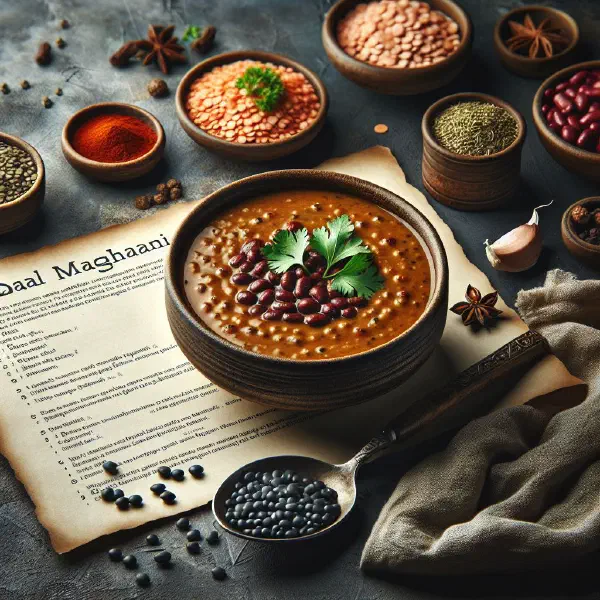
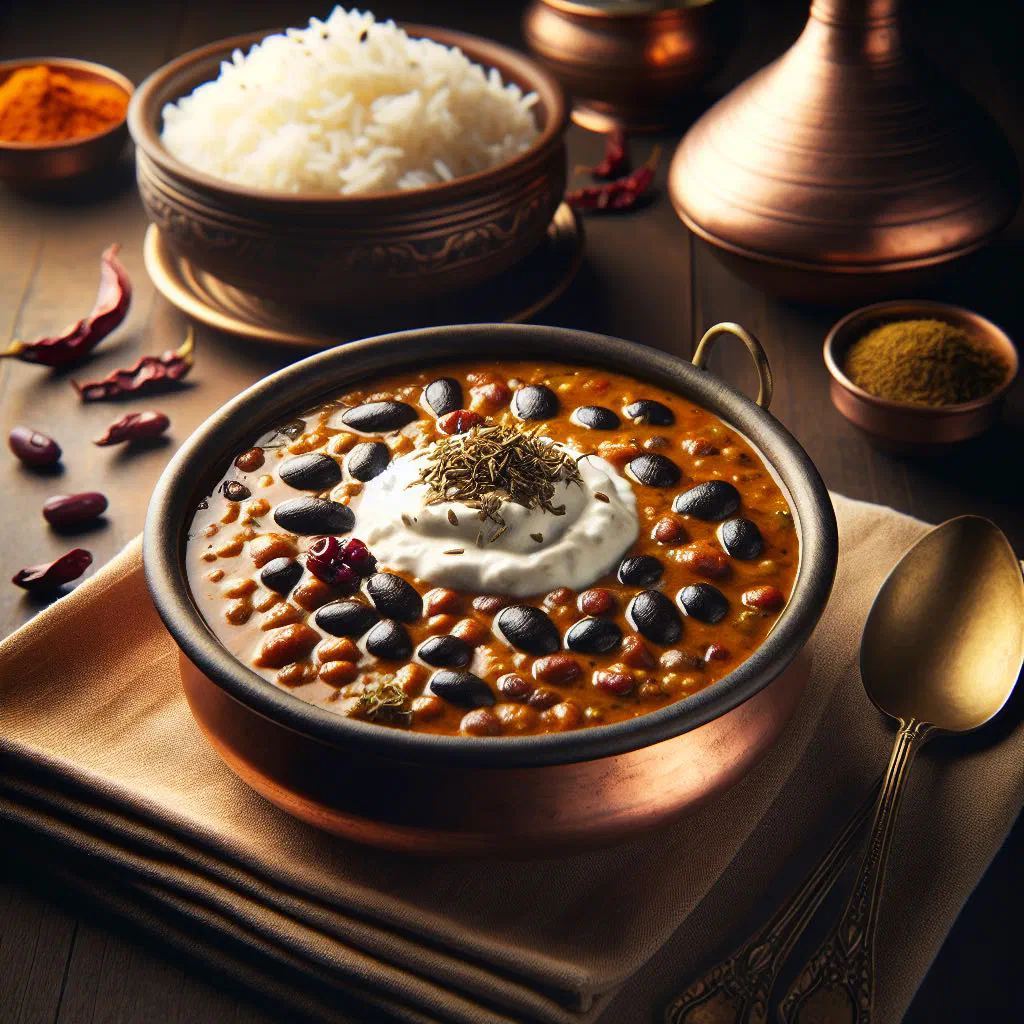
Meet Daal Makhni, a rich and comforting classic of the Indian-Pakistani table. Black lentils and kidney beans are gently simmered in a velvety tomato sauce, then finished with butter and cream for a wonderfully smooth, luxurious finish. Warmed through with garam masala and fresh ginger, it is the kind of slow-cooked dish that turns an ordinary evening into something to celebrate, traditional hospitality served straight from the pot.
About Daal Makhni
Indian-Pakistani cuisine is celebrated for its variety and depth of flavour, and Daal Makhni is no exception. The dish is built on black lentils and kidney beans, braised together in a delicious, creamy tomato sauce. The combination of butter and cream gives it an incomparable, silky texture that melts on the tongue. Daal Makhni is often served at festive occasions and is regarded as a genuine symbol of traditional hospitality.
Ingredients (serves 1–2)
- 100 g black lentils
- 50 g kidney beans
- 1 large onion
- 2–3 tomatoes
- 2 tablespoons butter
- 100 ml cream
- 3–4 garlic cloves
- 1 piece of ginger (about 2 cm)
- 2–3 green chillies (to taste)
- 1 teaspoon cumin
- 1 teaspoon garam masala
- Salt to taste
- Coriander, to garnish
Shopping for the ingredients
The ingredients for Daal Makhni are easy to find in most Asian grocery shops or well-stocked supermarkets. Choose fresh herbs and spices for the best flavour. In particular, the black lentils and kidney beans should be of good quality to guarantee a full, rounded taste. If you have any dietary restrictions, there are also alternative ingredients you can use instead.
Preparing the dish
Before you start cooking Daal Makhni, it is important to wash the lentils and beans thoroughly and soak them overnight in water. This shortens the cooking time and gives a better texture. The onion, garlic and ginger should be finely chopped so the flavours are evenly distributed throughout the dish. Prepare your spices in advance so that everything is within easy reach while you cook.
Step-by-step instructions
- Bring the soaked lentils and kidney beans to the boil in a pan with plenty of water and cook for 30–40 minutes, until soft.
- Heat the butter in a frying pan, add the chopped onions and sauté until translucent.
- Add the garlic, ginger and green chillies and fry briefly until fragrant.
- Stir in the chopped tomatoes and the spices (cumin, garam masala and salt) and mix well.
- Add the cooked lentils and beans and simmer over medium heat for about 10 minutes, stirring occasionally.
- Pour in the cream, mix well and let it simmer for a few minutes until the dish reaches the creaminess you want.
- Garnish with fresh coriander and serve warm.
Gluten-free / lactose-free version
Daal Makhni is naturally gluten-free, since its main ingredients are lentils and beans. To make it lactose-free, replace the cream with plant-based alternatives such as coconut milk or cashew cream. These alternatives also bring a creamy consistency and a rich flavour to the dish. Be sure to swap the butter for a lactose-free product, or simply use plain oil.
Tips for vegans and vegetarians
For a vegan version of Daal Makhni, replace the cream with plant-based cream and the butter with rapeseed or olive oil. This makes the dish vegan and gives you a lighter version that stays beautifully creamy. Vegetable stock can be used as the base instead of water to add extra flavour. Don’t forget to adjust the other spices to taste so the dish matches your preferences.
More tips and tricks
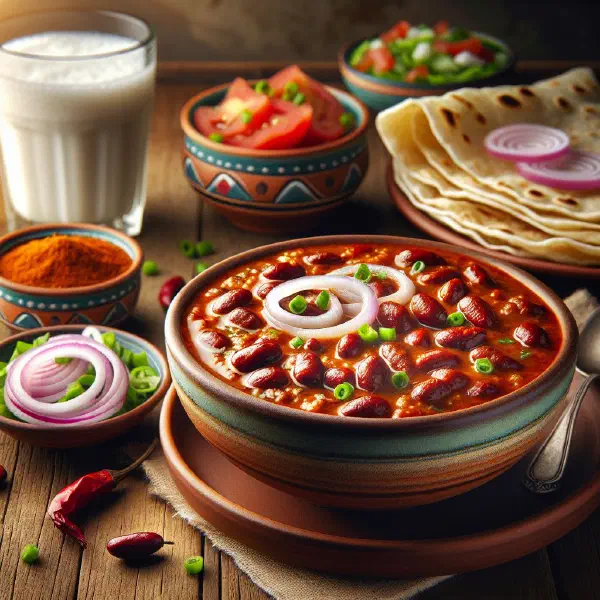
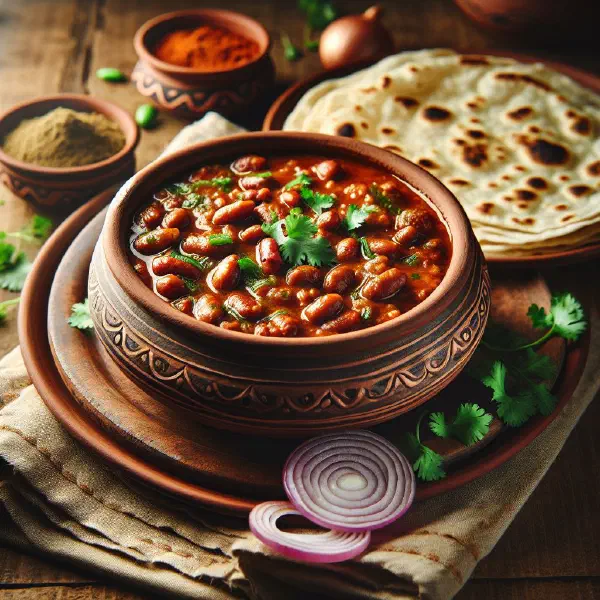
The secret to an especially tasty Daal Makhni lies in slow cooking. Take your time and let the flavours mingle thoroughly. A splash of lime juice just before serving can freshen the dish and intensify the flavour. Experiment with different spices and herbs to find the mix that is perfect for you. A great tip is to use any leftovers to conjure up a delicious curry, much like a hearty Rajma Masala.
Adapting the recipe to your taste
Everyone has different preferences when it comes to spice. If you prefer the dish less hot, you can leave out the green chillies or replace them with mild peppers. Likewise, the spices can be varied to personal taste, more cumin for an earthier flavour, or more garam masala for a sweeter note.
Ingredient substitutions
If you don’t have all the ingredients to hand, there are a few alternatives you can use. For example, you can replace both the lentils and the beans with other pulses, such as red or yellow lentils, which need a shorter cooking time, as in a comforting Masoor Dal. Tomatoes can also be swapped for tomato purée or passata to achieve a more intense flavour. Experiment with the ingredients you have available.
Drink pairing ideas
A glass of mild Indian beer or a cup of chai tea goes wonderfully with Daal Makhni, complementing the flavours of the meal. Non-alcoholic options such as mint lemonade or a mild yoghurt drink can also balance out the heat of the dish. Try different combinations to find the perfect accompaniment for your meal.
Serving and presentation ideas
Presentation plays an important role in whetting your guests’ appetite for Daal Makhni. Serve the dish in attractive bowls and garnish it with fresh coriander and a squeeze of lime juice. Sides such as fresh Naan or basmati rice should be arranged appealingly so the whole meal looks like a work of art. Keep an eye on the colours and textures to create an inviting dish.
A bit of history
Daal Makhni has its roots in the Punjab, a region known for its hearty, well-spiced dishes. It was originally prepared by farmers who wanted to make efficient use of their harvest. The combination of pulses and spices was considered nourishing and filling. Today it is a beloved dish found far beyond the borders of India and Pakistan, in restaurants and homes around the world. It remains a symbol of traditional Pakistani cuisine and its Indian neighbour.
More recipe ideas
Summary: Daal Makhni
Daal Makhni is more than just a dish; it is an experience that wins people’s hearts. With its savoury aromas and creamy texture, it unites cultural traditions and carefully chosen ingredients. Ideal for special occasions or simply for a cosy evening at home. Give this heartwarming recipe a try and bring flavour and hospitality to your table.