National Dish Pakistan: Dhaba Karahi (Recipe)
In this article
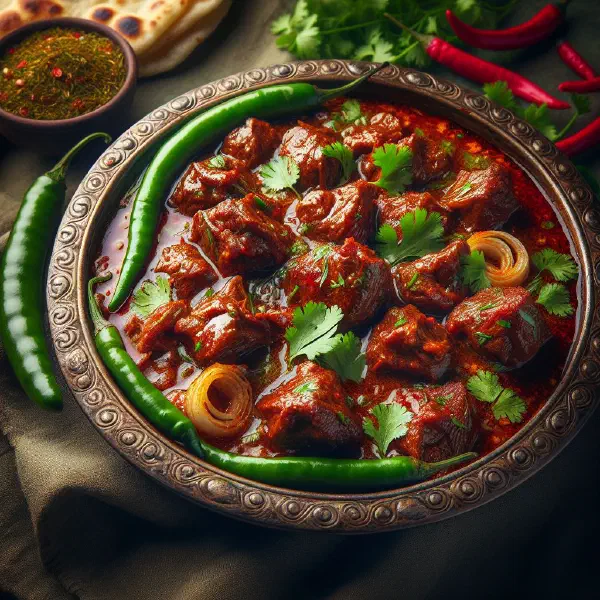
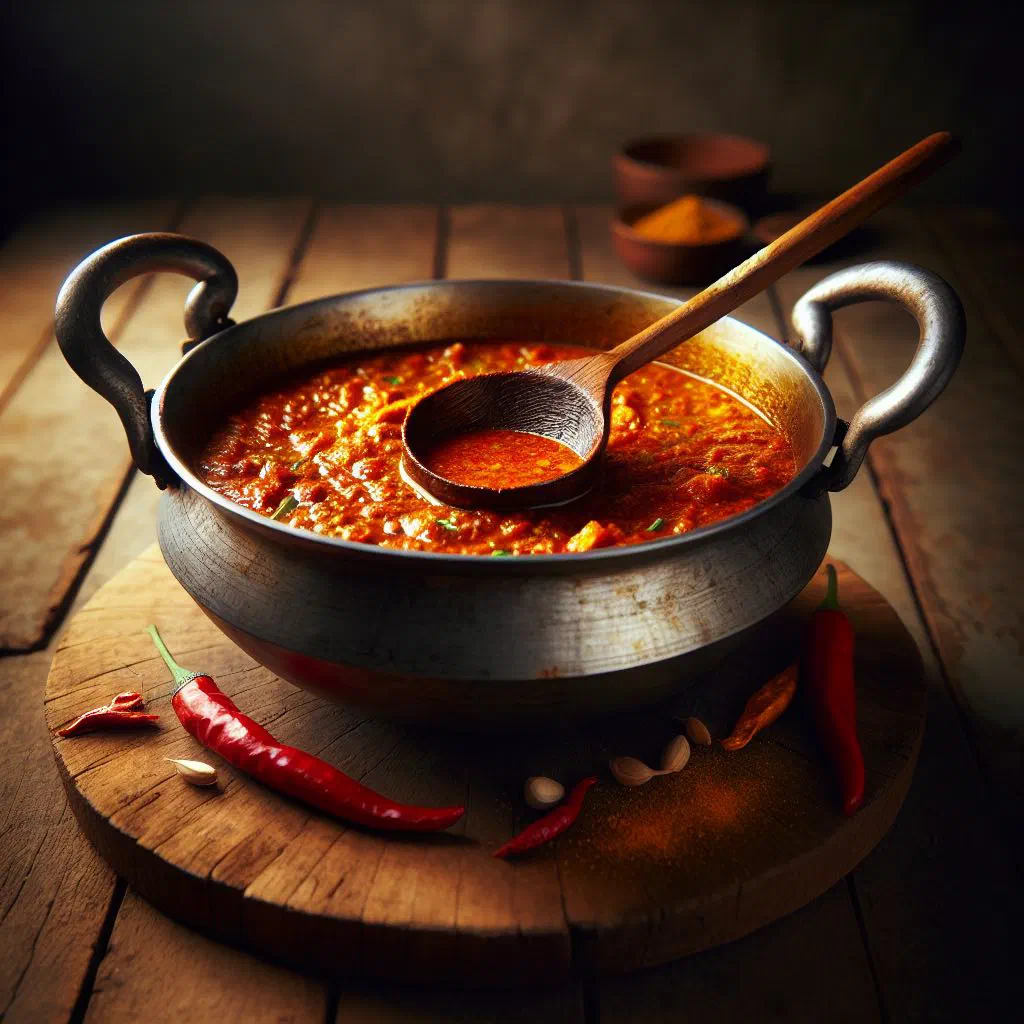
Meet Dhaba Karahi, one of Pakistan’s most beloved roadside classics. Named after the dhabas, the busy truck-stop eateries that line the country’s highways, this hearty dish simmers tender meat in a heavy wok with tomatoes, ginger and green chillies until the flavours turn deep and glorious. It is smoky, spicy comfort food that tastes of the open road, and it comes together far more easily than its bold flavour suggests.
About Dhaba Karahi
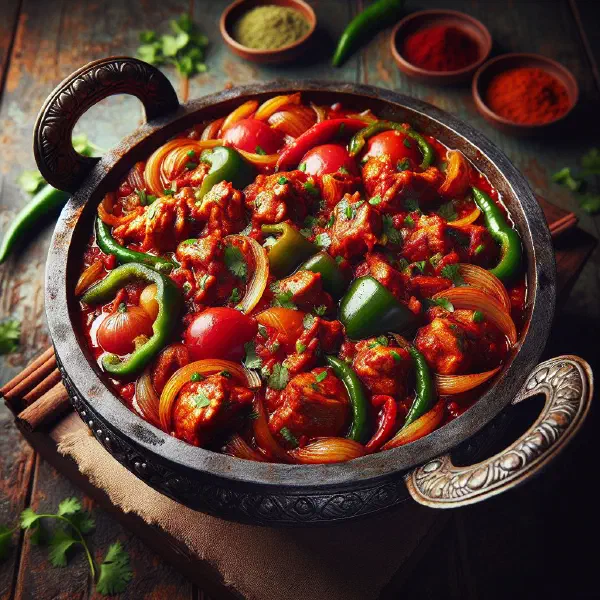
Dhaba Karahi is a popular and hearty dish from Pakistan, traditionally served in the roadside eateries known as dhabas. At its heart is tender meat, slowly cooked in a heavy wok, the karahi, and prepared with a generous mix of aromatic spices and fresh vegetables. The flavour and level of spice vary from region to region and kitchen to kitchen, which makes Dhaba Karahi a wonderfully varied experience. It is a perfect dish for sociable gatherings and festive celebrations, much like a good Chicken Karahi shared straight from the pan.
Ingredients (serves 1–2)
- 500 g chicken breast or beef, diced
- 2–3 tablespoons oil
- 1 large onion, finely chopped
- 2–3 tomatoes, diced
- 1–2 green chillies, sliced
- 2–3 garlic cloves, puréed
- 1 tablespoon ginger, grated
- 1 teaspoon garam masala
- Salt and pepper to taste
- Fresh coriander, to garnish
Shopping for the ingredients
Shopping for Dhaba Karahi can be a joyful experience, as most of the ingredients are readily available in local supermarkets or Asian grocery shops. When buying meat, look for fresh, good-quality cuts. Spices are best bought in small packets to guarantee the best aromas. Do not forget to pick up fresh coriander for the garnish, as it matters for the flavour and for the presentation.
Preparing the dish
Preparing Dhaba Karahi is straightforward and takes very little time. Begin by cutting the meat into cubes and getting the vegetables ready. Take care to chop the onion finely so it distributes evenly through the dish. Thorough preparation means the cooking runs smoothly and the dish develops its full aroma.
Step-by-step instructions
- Heat the oil in a large wok or pan.
- Add the chopped onion and fry until golden brown.
- Add the meat and brown it until it is well cooked through.
- Stir in the puréed garlic and ginger and fry for a further 2–3 minutes.
- Add the diced tomatoes and green chillies and cook until the tomatoes have softened.
- Add the spices (garam masala, salt, pepper) and stir well.
- Cook over low heat for about 10–15 minutes, until everything is well combined.
- Garnish with fresh coriander before serving.
Gluten-free / lactose-free version
Dhaba Karahi is naturally gluten-free, as the main ingredients contain no gluten. To keep it lactose-free, simply make sure you add no yoghurt or other dairy products, which often feature in South Asian cooking. Instead of butter, a splash of oil works perfectly to keep the dish rich. This simple approach makes it easy to adapt the recipe for anyone with particular dietary needs.
Tips for vegans and vegetarians
For vegans and vegetarians, Dhaba Karahi adapts easily by swapping the meat for mixed vegetables or tofu. Use the same spices and the same technique to guarantee that signature hearty flavour. You can also add beans or chickpeas for a good source of protein. That way everyone can enjoy the flavours of Dhaba Karahi, whatever their diet.
More tips and tricks
To refine the flavour profile of Dhaba Karahi, experiment with different spices and herbs. A little paprika or cumin can give the dish a special edge. To adjust the heat, simply vary the number of green chillies. Another good tip is to let the dish rest over low heat for a while so the flavours have time to develop fully.
Adapting the recipe to your taste
The great thing about Dhaba Karahi is that you can tailor it entirely to your preferences. If you have a soft spot for a particular vegetable, do not hesitate to add it, or leave out the meat altogether. The choice of spices can vary too, depending on which flavours you like best. This flexibility makes the dish an excellent choice for individual tastes.
Ingredient substitutions
If you do not have certain ingredients to hand, there are plenty of alternatives that work just as well. Chicken can be replaced with lamb or even fish, depending on your taste, the very same swap that shines in a rich Bhuna Gosht. For the spices, you can use ready-made blends to reach the same characteristic flavour. Swapping fresh coriander for parsley is also possible if coriander is not available.
Drink pairing ideas
Refreshing drinks pair especially well with a hearty dish like Dhaba Karahi. A minty lassi or a light yoghurt drink rounds off the flavours beautifully. Try a homemade Lassi for the full effect. Alternatively, a fruity lemonade or simple water with lemon is a good choice. These drinks make sure the flavours sit nicely on the palate and keep the meal feeling generous.
Serving and presentation ideas
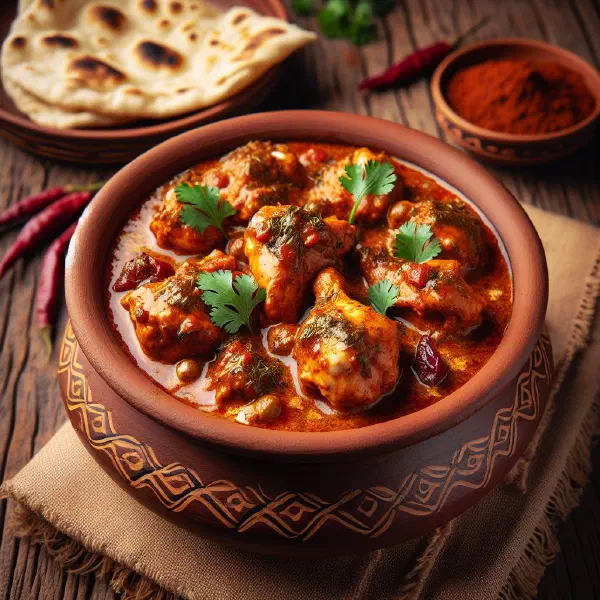
The presentation of Dhaba Karahi can lift the whole dining experience. Serve the dish in a traditional karahi or an attractive bowl to underline its authenticity. Fresh coriander and a pinch of red chilli powder as a garnish lend the dish colour and an extra flavour kick. Set naan or rice on the side, or a crisp Kachumber Salad, to present the meal at its most appetising.
A bit of history
The roots of Dhaba Karahi reach deep into Pakistani culture. Dhabas are informal eateries, often found along roads and motorways, famous for their hearty and generously spiced food. This style of cooking has frequently been passed down from generation to generation, with each family keeping its own special variation. Dhaba Karahi has become a symbol of everyday Pakistani cuisine and draws food lovers from all over the world.
More recipe ideas
Summary: Dhaba Karahi
All in all, Dhaba Karahi is an essential dish that embodies the spice and variety of South Asian cooking. With its hearty flavours and the freedom to adapt it to individual tastes, it is a fantastic choice for any occasion. Whether for a family meal or a special celebration, this dish brings friends and family together. Let its history and delicious flavours inspire you, and enjoy this culinary experience to the full.